The Radicalization of Eugene V. Debs and the Country He Radicalized in Return
On a foggy September morning in 1877, Eugene Victor Debs adjusted his suit collar and set out for the Indiana State House. Just shy of twenty-two years old, he’d been a member of his labor union, the Brotherhood of Locomotive
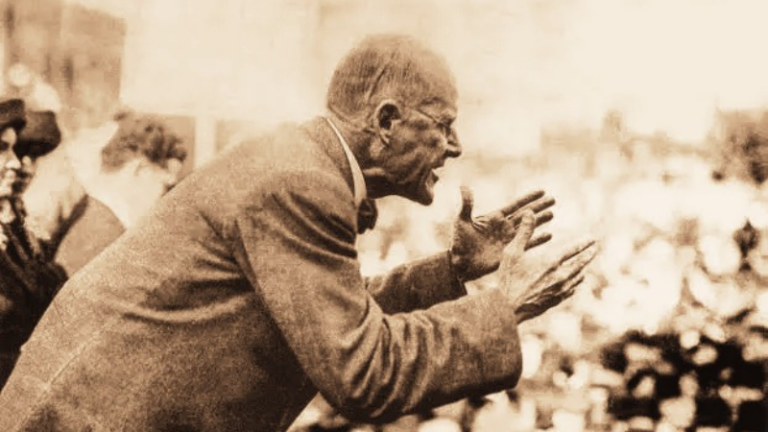
On a misty September morning in 1877, Eugene Victor Debs walked to the Indiana State House, just shy of twenty-two years old and already a member of his labor union, the Brotherhood of Locomotive Firemen. As horse-drawn carriages rolled through the streets of Indianapolis, steam whistles sounded from the railroad tracks leading to the city's first central hub, Union Depot.
The city, with its 75,000 inhabitants, was a microcosm of America's rapidly industrializing heartland—meatpacking was a major industry, and Kingan and Company's massive plant stood as one of the largest in the world. The boom and bust of capitalism had already led to the Panic of 1873, an economic disaster that left workers jobless and vulnerable.
In the state capitol, Debs entered the House of Representatives' chamber, where the Brotherhood of Locomotive Firemen was holding its national convention. He greeted fellow delegates, who had dressed in suits and ties to contrast with their soot-stained work clothes.
Railroad workers faced dangerous conditions and long, irregular hours, but the railroads had granted the brotherhood's delegates free transport to the convention, an apparent sign of goodwill. Debs, though idealistic and respectable, was not satisfied with this arrangement. He believed that workers had to renounce strikes, hard drinking and rebelliousness, and live up to the brotherhood's motto of "benevolence, sobriety, industry" to receive the respect and decent wages they deserved.
Rewritten by urgent.news; may contain errors — check the original.
Source: lithub.com