The ocean’s newest surveillance network has feathers
Researchers turned three seabird species into flying listening posts.They found that many the ships the birds encountered were invisible to tracking systems.
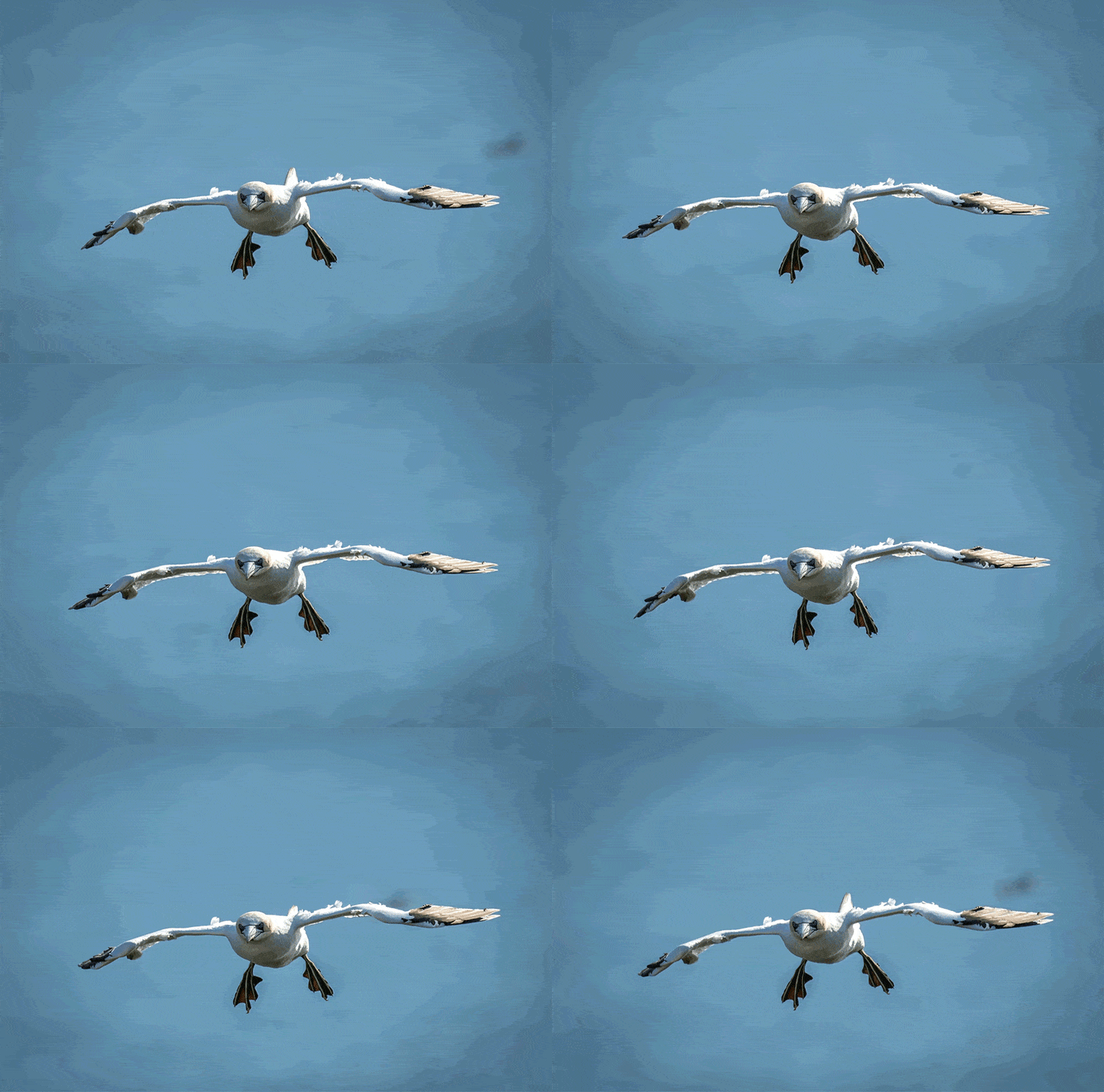
Scientists from the UK, New Zealand and Spain have cleverly outfitted seabirds with tiny audio recorders to track vessels on the ocean, revealing that these birds encounter many more boats than standard monitoring systems show. This insight could aid conservationists in better protecting endangered seabirds from fatal encounters with fishing nets.
Lead author Jonathan Rutter of the University of Oxford explains that understanding where threatened seabirds encounter fishing vessels is crucial for their protection. Fishing boats often attract seabirds seeking an easy meal, but these interactions can be deadly due to accidental capture in fishing nets or lines. Accurate knowledge of vessel locations is vital to estimate the toll of bycatch and determine if measures like fishing restrictions are necessary.
Traditional tracking methods using transponders on large vessels often miss "invisible" boats, as some beacons are turned off or malfunction or sailors don't use them. To overcome this, researchers used small, inexpensive audio recorders and computer programs to identify the acoustic fingerprint of various animals and machines. By attaching these devices to seabirds in the North Atlantic, Mediterranean, and south Pacific, they discovered that birds interacted with far more vessels than regular tracking data suggested.
The audio recordings revealed that roughly 57% of gannet encounters and 20% of shearwater encounters with boats were not captured by standard monitoring systems. While the method has limitations and may not work in all situations, it could become a valuable addition to the growing toolbox for monitoring vessel interactions with seabirds.
Rewritten by urgent.news; may contain errors — check the original.
Source: anthropocenemagazine.org


