The Iowa Lead Detonation Happened. Now the Real Work Begins to Study It
Early results indicate minimal signs of lead in the environment, though it will take days for more rigorous testing.
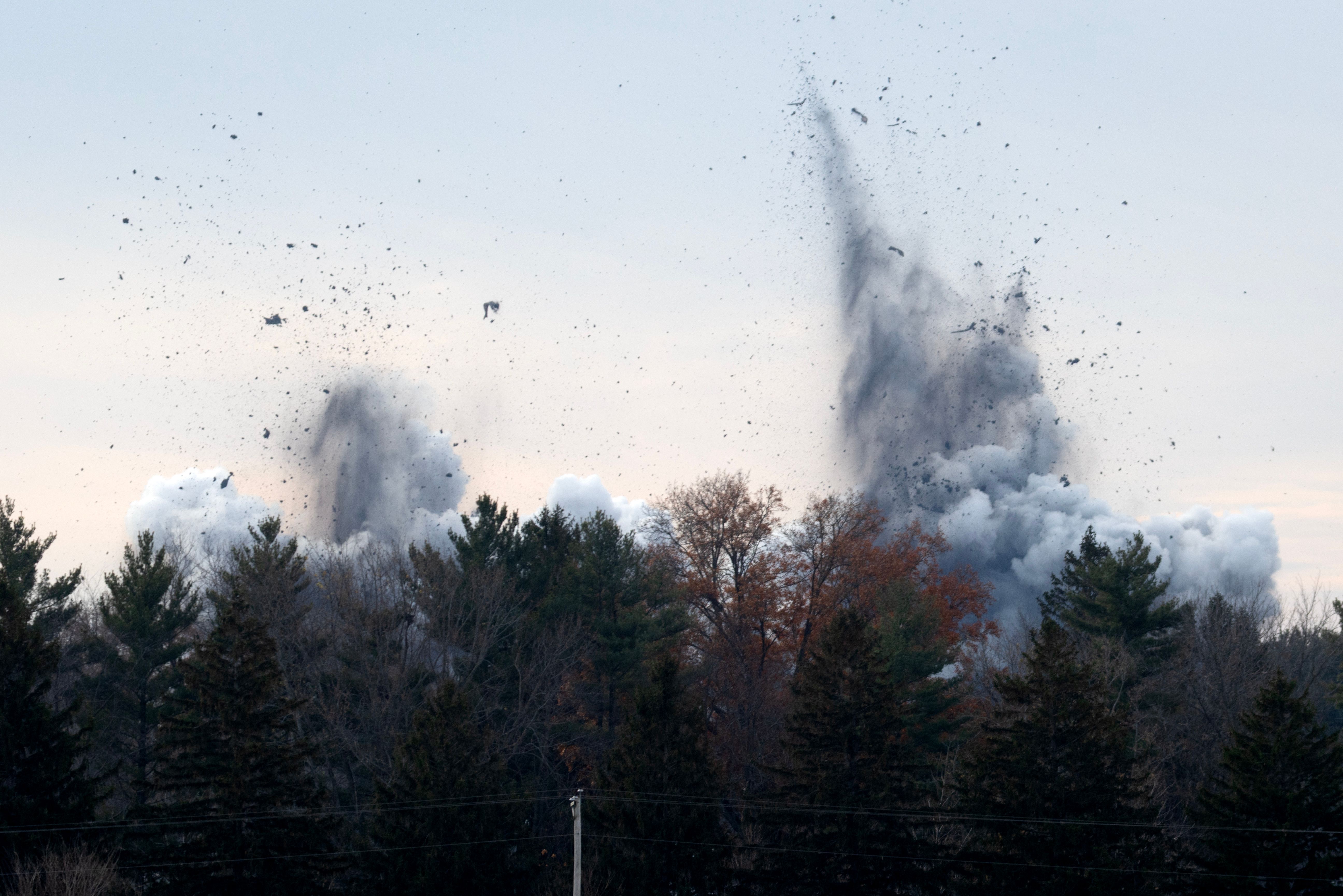
On Wednesday, the US Army detonated nearly five tons of degraded lead azide outside of Middletown, Iowa, generating concerns over potential lead exposure in the surrounding area. Although EPA chief Lee Zeldin reported no lead detected in the air immediately after the explosion, a multitude of monitoring and testing projects involving government agencies, universities, and citizens are underway to determine the extent of any lead exposure.
The Army deemed the lead azide unstable and too dangerous to move and remediate, leading to a lack of communication with towns in the path of the fallout and public distrust in the federal government. Universities, including the University of Iowa and Purdue University, have set up air and soil monitoring stations to supplement and support federal monitoring efforts, aiming to reassure the public and provide additional data on lead levels.
Brief written by urgent.news; may contain errors — check the original.
Source: wired.com
This story
This is one outlet's version. Read the fullest account.