The Great American Tradition
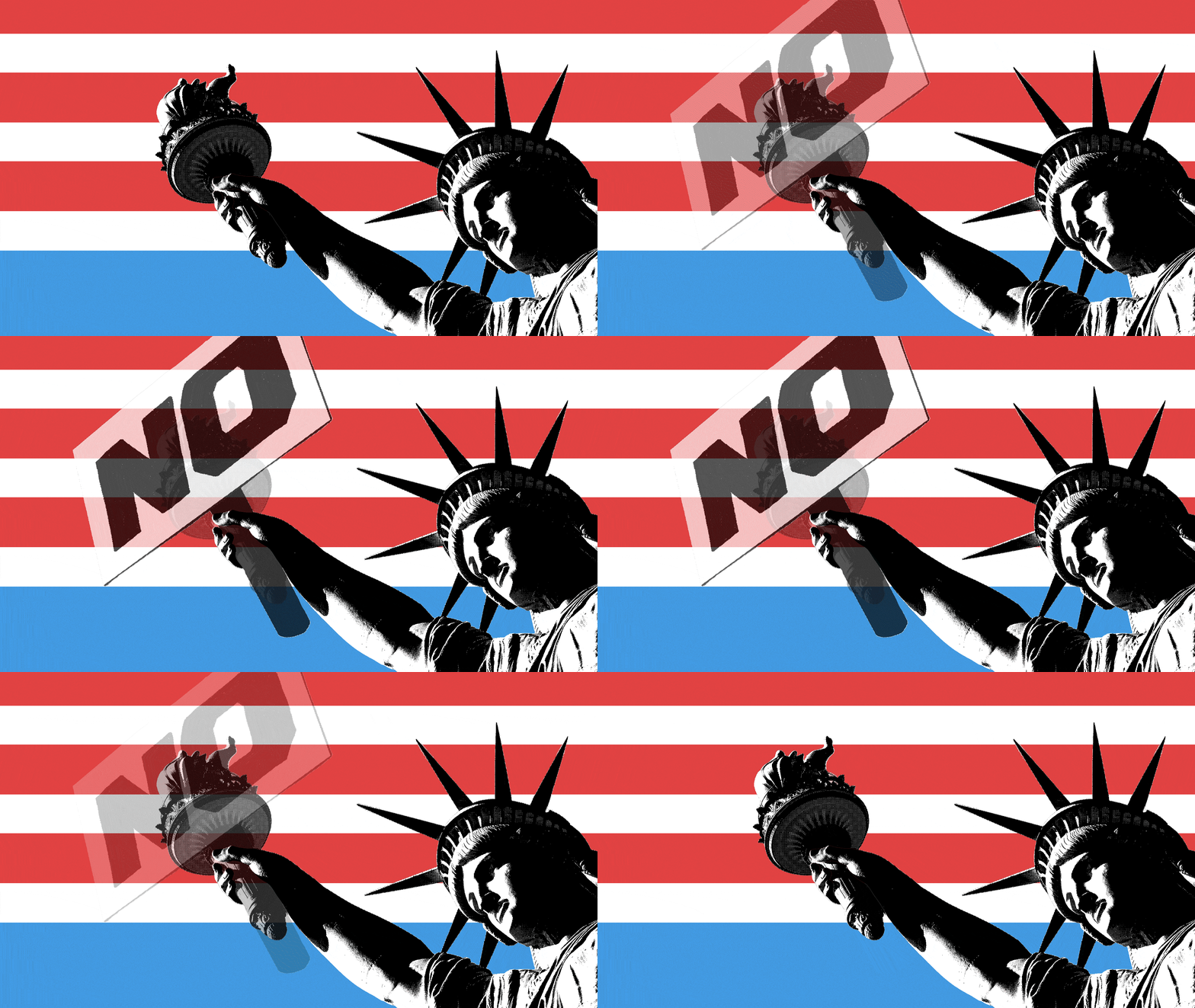
More than 40 years ago, the Supreme Court affirmed that boycotting is a fundamental right protected by the First Amendment—something the Trump administration is now disregarding.
In September of this year, the White House barred CNN journalists from its grounds, prompting some of the country's top news organizations to suspend pooled coverage there. The Department of Justice (DOJ) is currently investigating these organizations for their defiance. In a statement, a DOJ spokesperson accused the networks of "proudly boycotting" White House events, warning that "group boycotts among commercial competitors can violate the Sherman Act."
However, this argument is not novel. More than four decades ago, the NAACP faced a similar situation in Port Gibson, Mississippi, where white southern business owners also attempted to ban boycotts to restrain trade. In 1982, the Supreme Court ruled that the NAACP was correct in its stance, affirming that the First Amendment protects the right to boycott.
This essay is an excerpt from Judge David Tatel's memoir, Vision: A Memoir of Blindness and Justice. Port Gibson, a town acclaimed as "too beautiful to burn" by General Ulysses S. Grant during the Civil War, still bears the scars of its ugly past. The town's enslaved population once outnumbered free residents 3 to 1, and racial inequality persists even today.
During the 1960s, the NAACP organized economic boycotts against white merchants in Port Gibson who refused to hire Black employees or address Black customers respectfully. The boycotts achieved their goal, with Piggly Wiggly owner George Hudson complaining about the loss of Black trade. Instead of complying, Hudson and other merchants, backed by the White Citizens Council, filed a lawsuit against the NAACP and 146 picketers.
The merchants argued that the boycott was an anticompetitive conspiracy, just as the DOJ now claims about journalists. A state judge ruled in favor of the merchants, awarding them $1.25 million in damages, a financial blow that threatened the NAACP's survival. The NAACP's hopes rested on the Supreme Court, but they first had to appeal to the state supreme court, which demanded a bond equal to 125% of the judgment.
This amounted to more than $1.5 million, an amount the NAACP couldn't afford. The NAACP turned to federal courts, where they won a case arguing that the bond requirement violated their First Amendment right to boycott. Judge Orma Smith, a principled and courageous southern judge, excused the NAACP from posting the bond, recognizing the importance of the First Amendment.
This case led to the Supreme Court ruling in Claiborne Hardware that nonviolent boycotts are protected expression under the First Amendment.
Rewritten by urgent.news; may contain errors — check the original.
Source: theatlantic.com