Temperatura media global rompe récord; supera en 2 grados los niveles preindustriales durante 6 días seguidos
La temperatura media global superó por primera vez durante seis días consecutivos en 2 grados Celcius (ºC) los niveles preindustriales, según los cálculos de Copernicus , el componente de monitoreo del clima del programa espacial europeo. De acuerdo con los datos preliminares que constan en la aplicación " Climate Pulse " (pulso climático), el pasado lunes -el día más reciente del que hay…
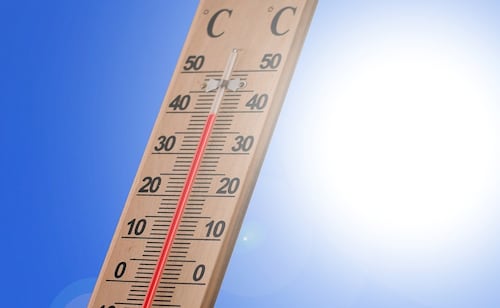
Worldwide average temperature smashed record, reaching 2 degrees Celsius above pre-industrial levels for six consecutive days, according to calculations from Copernicus, the climate monitoring component of the European space program. Preliminary data from the "Climate Pulse" app, the most recent being Monday, recorded a global average temperature of 14.47°C, the highest since records began on that date.
This also marks the highest temperature anomaly ever recorded, surpassing global average temperatures by 2.24 degrees from the 23rd of November in the pre-industrial period of 1850-1900 and by 1.34 degrees from 1991-2020. This broke the previous record of 2.05°C and 1.15°C anomalies, respectively, on November 17, 2023. Moreover, it is the first time that six consecutive days have seen deviations above 2°C above pre-industrial levels, following just two consecutive days in November 2023 and four in February 2024.
Samantha Burgess, from the European Centre for Medium-Range Weather Forecasts (ECMWF), warned that this is not the same as surpassing the long-term temperature threshold of 2°C set in the Paris Agreement, but rather a sign of the direction we are heading in. She noted that the "El Niño" phenomenon will come and go, but the underlying warming due to greenhouse gas emissions will not, unless we reduce those emissions.
According to Copernicus projections, there is a 42% chance that 2026 will be the hottest year on record, compared to a 58% chance that it will be the second-hottest behind 2024.
Rewritten by urgent.news; may contain errors — check the original.
Source: eluniversal.com.mx