Taters and craters: Researchers say potatoes can grow in lunar soil
Researchers discover adding organic material to lunar soil can yield edible potatoes.
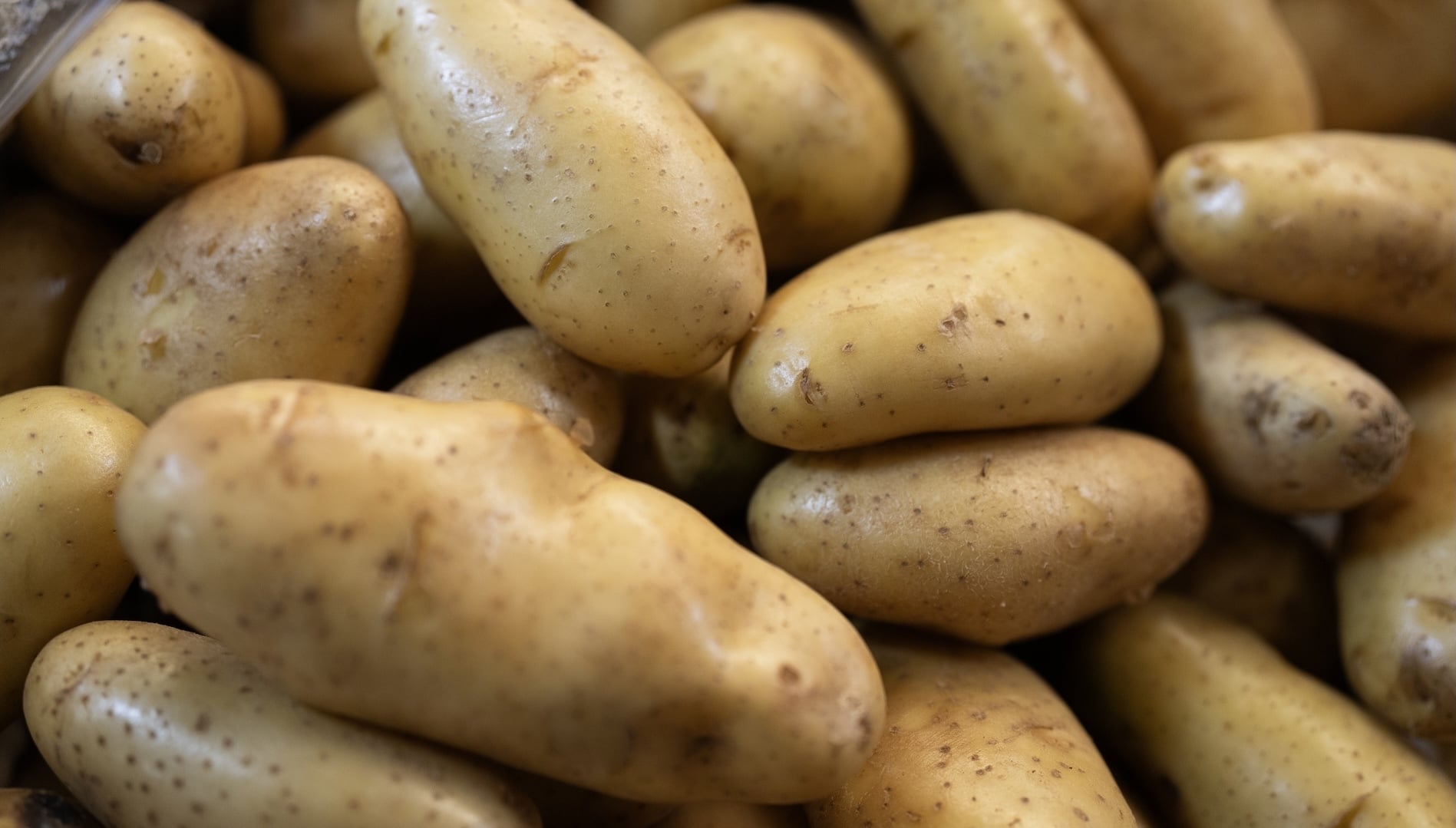
Researchers at Oregon State University have announced that potatoes can thrive in lunar soil, a significant step towards establishing self-sustaining food production systems for long-term human exploration of the Moon. Led by Dr. Aymeric Goyer from the Department of Botany and Plant Pathology, the team discovered that potatoes can complete their life cycle in simulated lunar soil when enriched with organic matter.
The Moon's surface is covered in a layer of loose rock and dust called regolith, which is rich in heavy metals but very low in organic matter, making traditional farming challenging. However, by adding vermicompost – a type of organic material produced by earthworms breaking down food scraps and plant waste – to the lunar regolith, the researchers managed to grow edible and nutritious potatoes.
To account for the Moon's diverse topsoil, the researchers tested five different regolith simulants. Surprisingly, the regolith with 30 percent vermicompost produced potatoes that were indistinguishable from those grown on Earth. The study aims to further explore the growth of ten different potato varieties in lunar soil.
As NASA pushes ahead with its Artemis missions to establish a sustained human presence on the Moon, the successful growth of potatoes in simulated lunar soil represents a vital breakthrough in creating reliable food production systems for future lunar colonists.
Rewritten by urgent.news; may contain errors — check the original.
Source: mashable.com