Seek by iNaturalist turned my evening walks into a real-life Pokémon Go hunt
I started identifying plants and insects on my walks, and now I can't stop
Most of my workday is spent in front of a computer, making evening walks a refreshing opportunity to incorporate physical activity. Alongside observing unfamiliar plants and insects, I've begun utilizing Seek by iNaturalist to identify these newfound discoveries. This app has transformed my strolls into an engaging and educational experience, emphasizing the abundance of wildlife around us that often goes unnoticed.
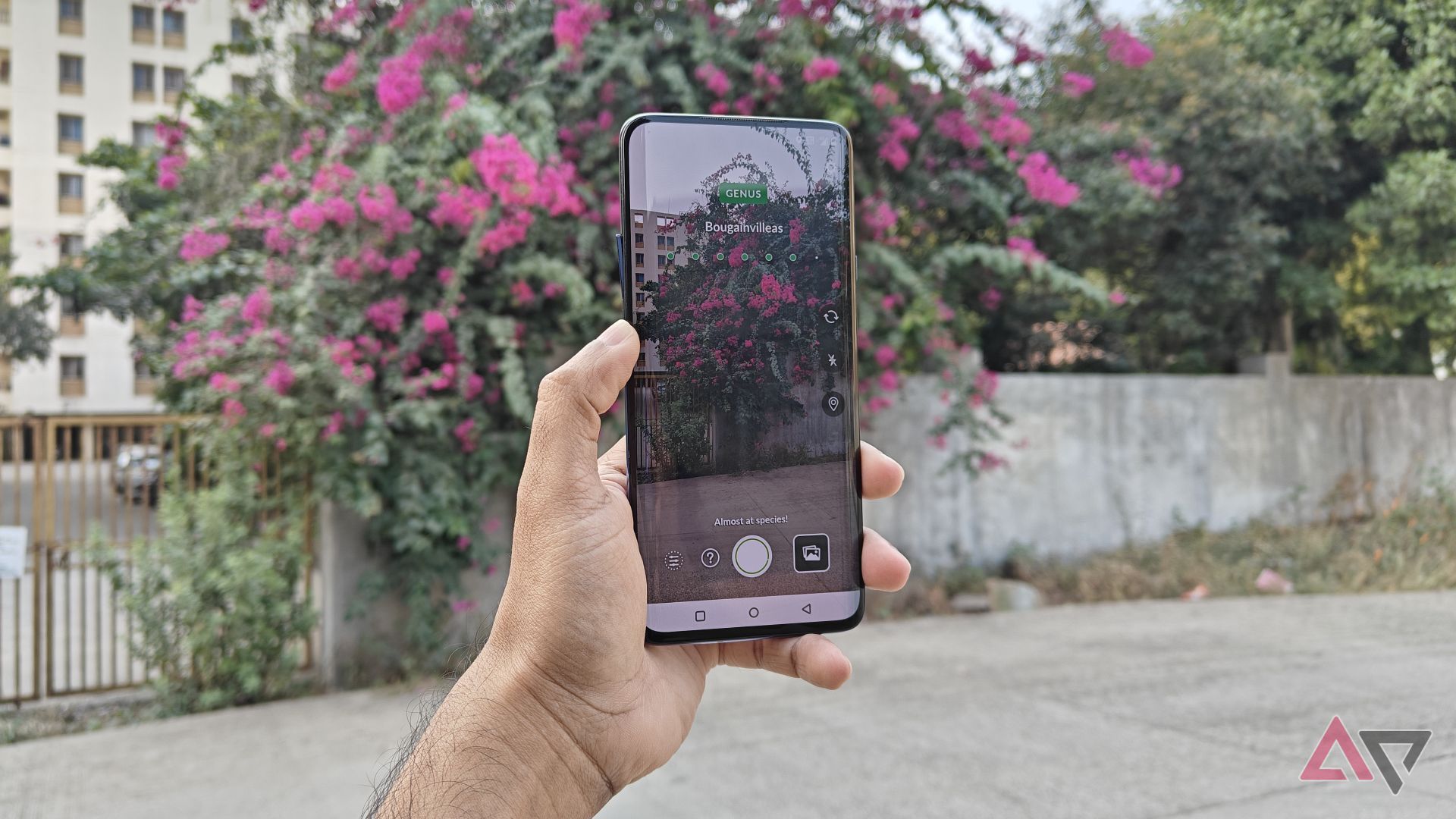
The Seek app from iNaturalist simplifies the process of identifying plants, insects, birds, and other living organisms. To begin, tap the camera icon at the bottom of the screen to open Seek's camera. Aim it at a plant, flower, insect, or other organism, ensuring it remains within the frame. The app analyzes the subject and presents potential matches, gradually honing in on the correct identification as it recognizes more details.
For optimal results, I strive to obtain a clearer perspective, move closer when feasible, and maintain the subject in focus. While adjusting the camera angle, Seek employs an identification meter to indicate how close it is to a match. The more details it identifies, the more precise its suggestions become. Upon successful identification, I capture the organism and add it to My Observations. By tapping the discovery, I can view its name and gain additional insights.
One feature I appreciate is Species Nearby, which provides an overview of plants, insects, birds, or other animals I may encounter during my walk. Available on the app's home screen, Species Nearby utilizes my approximate location to suggest commonly recorded species in my vicinity. I utilize these recommendations as a checklist for my outings, pointing the Seek camera at a previously spotted species to identify it and record it in my observations.
Identifying new plants or insects is enjoyable in itself, but Seek's badges offer an additional incentive to continue exploring. Similar to Pokémon Go rewarding players for catching various Pokémon, Seek motivates users to discover more species by turning each identification into progress toward achievements. Each new identification is added to my collection, accompanied by badges based on the organisms I've discovered.
These accolades span categories like plants, insects, birds, and fungi, and as I identify additional species, I unlock further achievements. The app also features monthly observation challenges, which present specific groups of organisms to search for.
One aspect I enjoy about Seek is its accessibility; it can be used without creating an account. I don't even require an internet connection to utilize its identification feature, making it convenient during walks when I wish to avoid concerns about mobile data or connectivity. Seek stores my observations, amassed badges, and discoveries locally on my phone.
The app leverages my approximate location to propose species commonly found nearby, though it conceals my precise location. For sharing my discoveries, signing in with an iNaturalist account and submitting them to the platform is optional. While Seek's image recognition is helpful, it is not always accurate. During testing, I inadvertently caused my gray Persian cat, possessing amber-colored eyes, to be identified as an owl by the app for a few seconds.
Moving the camera to a different angle eventually led to a correct identification of her as a domestic cat. Although this mix-up was harmless, it serves as a reminder that Seek's identifications may not always be reliable, particularly when distinguishing between potentially poisonous and edible mushrooms. A 2023 study published in Clinical Toxicology assessed three mushroom identification apps, including iNaturalist, and found that none was sufficiently reliable to preclude the possibility of mistakenly identifying poisonous mushrooms.
As I identify unfamiliar species, I remain cautious not to rely on Seek for determining the safety of handling such organisms. Regardless of whether I'm identifying an unfamiliar flower, spotting an insect, or aiming to earn a badge, there is always something new to discover. Even occasional misidentifications add to the fun, reaffirming that Seek is a surprisingly entertaining addition to my walks, allowing me to encounter real-life creatures beyond the digital realm.
Rewritten by urgent.news; may contain errors — check the original.
Source: androidpolice.com