Screen time got your brain fried? Try a ‘brain stack’
Every few months, like clockwork, a new analog trend emerges in an effort to get us all off our phones. . .and of course, document the process for social media. The latest is “brain stacking”: keeping a stack of puzzle books, novels, non-fiction and other phone-free activities in a neat pile within arm’s reach, in lieu of doomscrolling. Online, thousands of people have proudly shared their “…
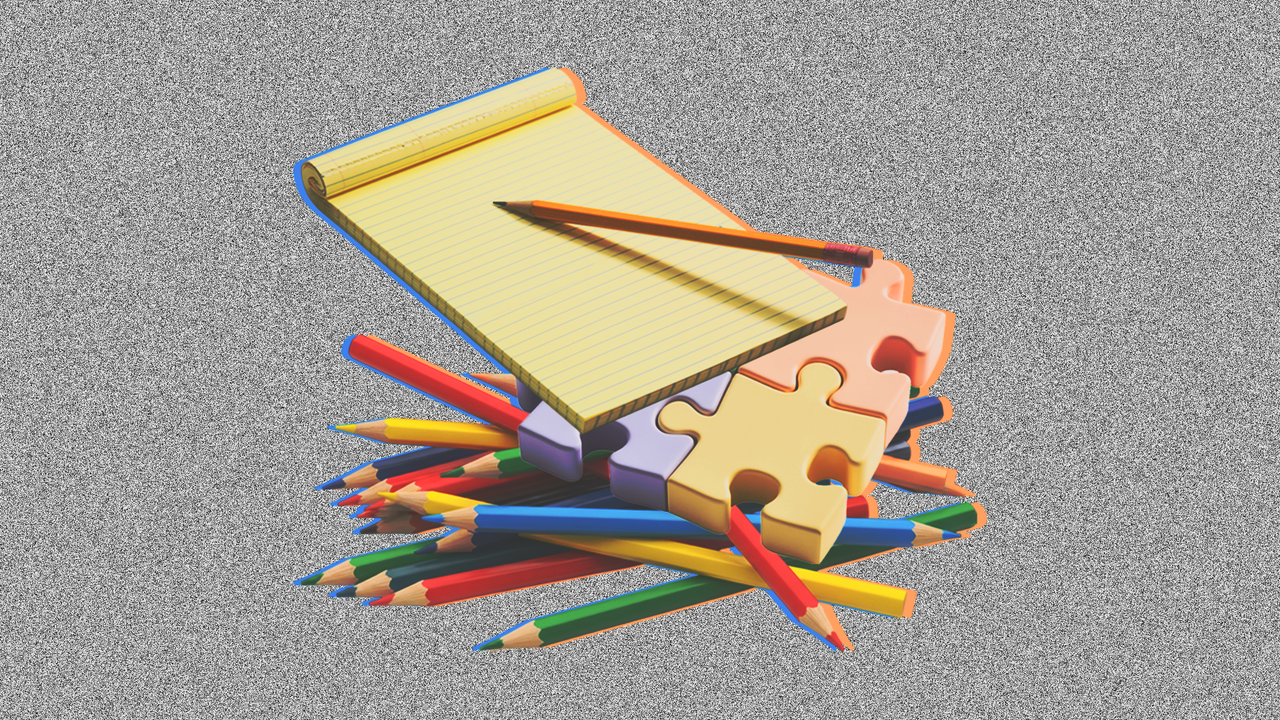
In recent months, a new trend has emerged aimed at reducing our reliance on smartphones: "brain stacking." This involves keeping a stack of phone-free activities, such as puzzle books, novels, and non-fiction, within easy reach to replace endless scrolling. Social media platforms have been flooded with posts showcasing these "stacks." A popular creator, Mandy Rulez, shares timelapse videos of her morning routine, beginning with non-digital activities like journaling, followed by sudoku, crossword puzzles, and reading.
Other individuals have incorporated timers into their brain stacking routine. For instance, a 12-minute writing session in a spiral notebook, followed by ten minutes of planning, 15 minutes of puzzles, 20 minutes of coloring, totaling one hour of brain-boosting activities. This concept builds upon the earlier "analog bag" trend, encouraging people to engage in non-digital activities. In the age of "brain rot" and "doomscrolling," brain stacking offers an appealing alternative.
The idea of "habit stacking" has been around for years, where new habits are added to existing ones. Recently, similar trends like bedtime stacking, peptide stacking, goal stacking, and income stacking have gained popularity. This stacking of activities resonates with people on social media, as doing multiple things back-to-back feels satisfying and visually appealing when posted online.
However, while brain stacking can be beneficial, it's not a one-size-fits-all solution. A 2024 study found that the benefits of "brain-training" activities, such as crosswords, sudoku, memory games, and adult coloring books, vary among individuals. College students often experience only modest improvements compared to older adults with sedentary lifestyles.
Furthermore, there is no research supporting the effectiveness of the brain stacking method in terms of specific tasks or time allocation. If you find yourself engrossed in a book or in a state of flow while writing, don't feel pressured to stick to predetermined time limits and move on to the next activity. Ultimately, any time away from screens is valuable.
Rewritten by urgent.news; may contain errors — check the original.
Source: fastcompany.com