Scientists at Meta decode typed sentences from brain activity without surgically implanted chips
Brain implants can translate neural activity into text, but they require risky neurosurgery. A new Nature Neuroscience study shows magnetic brain scans and AI can reconstruct typed sentences from outside the skull.
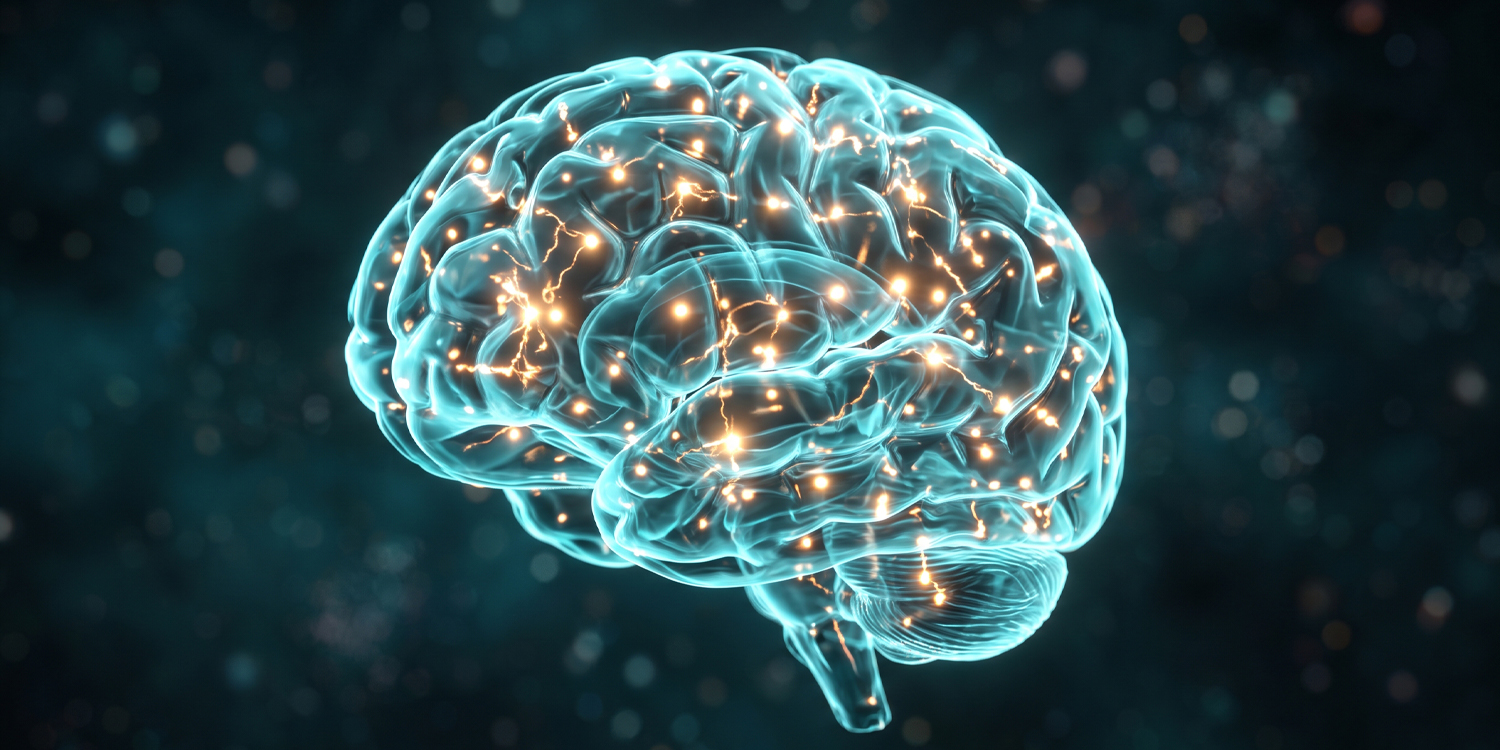
Scientists at Meta have developed an artificial intelligence system capable of translating brain activity recorded outside the skull into typed sentences with significantly lower error rates compared to standard noninvasive methods. The study, published in Nature Neuroscience, demonstrated that the model achieved an average character error rate of 29 percent when decoding memorized sentences typed by healthy volunteers using magnetic brain scans.
While this accuracy is lower than that of surgically implanted brain chips, the approach represents a step towards safer communication tools that do not require invasive brain surgery. Brain-computer interfaces, which record electrical or magnetic signals generated by active brain cells and convert them into digital text or device commands, have shown promise in restoring communication for individuals paralyzed by conditions like stroke, spinal cord injury, or amyotrophic lateral sclerosis.
However, surgical implants carry risks of bleeding and infection, and maintaining reliable electrode function over extended periods can be challenging. Noninvasive interfaces, which detect signals from outside the head using techniques such as electroencephalography (EEG) or magnetoencephalography (MEG), offer a safer alternative but have traditionally been slower and more mentally demanding for users.
Brief written by urgent.news; may contain errors — check the original.
Source: psypost.org