Russia changes tactics against Ukraine’s grid to drag out repairs. Cluster warheads often strike switches and relays across substations, Ukrenergo says
Ukraine has protected its big autotransformers fairly well, so Russia goes after the secondary equipment around them, and replacements take a long time to arrive.
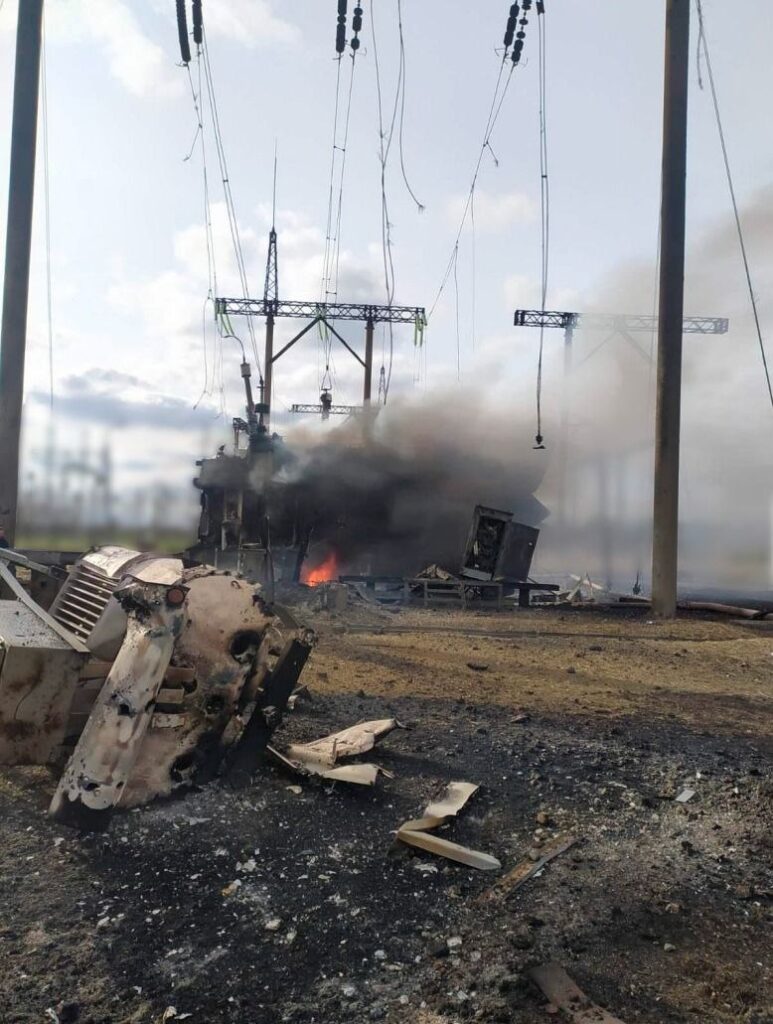
Ukraine's state-owned grid operator, Ukrenergo, reported that Russia has altered its tactics against the country's power grid to prolong repair efforts. Ivan Yuryk, a board member of Ukrenergo, shared these insights at the European Business Association's Energy Day on 24 November. According to Yuryk, Russian missiles frequently target substations, damaging equipment in the process.
However, the method of attack has evolved since at least 2024. Instead of precise strikes on crucial components, Russian missiles now disperse over broad areas, often employing cluster warheads that detonate above substation regions. This shift in approach allows Russia to extend the duration of Ukraine's restoration periods. The primary targets of these attacks are secondary equipment, such as switches, relays, and current and voltage transformers, which are not as heavily protected as large autotransformers.
The prolonged restoration process is due to limited availability of replacement high-voltage equipment and a shortage of contractors for repairing energy sites in both Ukraine and abroad. Since the onset of the conflict in early 2022, Ukrenergo has received over €1 billion in donor aid and significant loan support. This financial assistance primarily goes towards replenishing emergency equipment reserves.
Notably, cluster warheads on substations were first recorded on 26 August 2024, when Russian missiles with these munitions struck distribution substations. In spring 2026, researchers discovered a cluster warhead on a downed Kalibr cruise missile for the first time. Odesa Oblast has been particularly affected by these attacks. Damage to main power lines has made it impossible to deliver electricity to Odesa, and air raid alerts have prevented repair crews from operating without interruption.
Russian forces deliberately wait until repairs are completed before striking the power lines again. This strategy was highlighted by Ukrainian President Volodymyr Zelenskyy on 22 November. In early November, Germany, France, the UK, and Ukraine called on Russia to accept an energy ceasefire for the winter, but Russia refused. Russian President Vladimir Putin emphasized that Russia would not negotiate on energy or Black Sea ceasefires after Ukraine's strikes on the Kerch Bridge.
The UN Commission on Russia's strikes on Ukraine's grid classified these actions as crimes against humanity.
Rewritten by urgent.news; may contain errors — check the original.
Sources: bbc.co.uk · kyivindependent.com · euromaidanpress.com