Psilocybin therapy shows promise for easing anxiety and improving daily life in veterans with severe depression
A small study of military veterans found that a single dose of psilocybin, paired with psychological support, may help relieve anxiety and improve daily functioning alongside reductions in severe depressive symptoms.
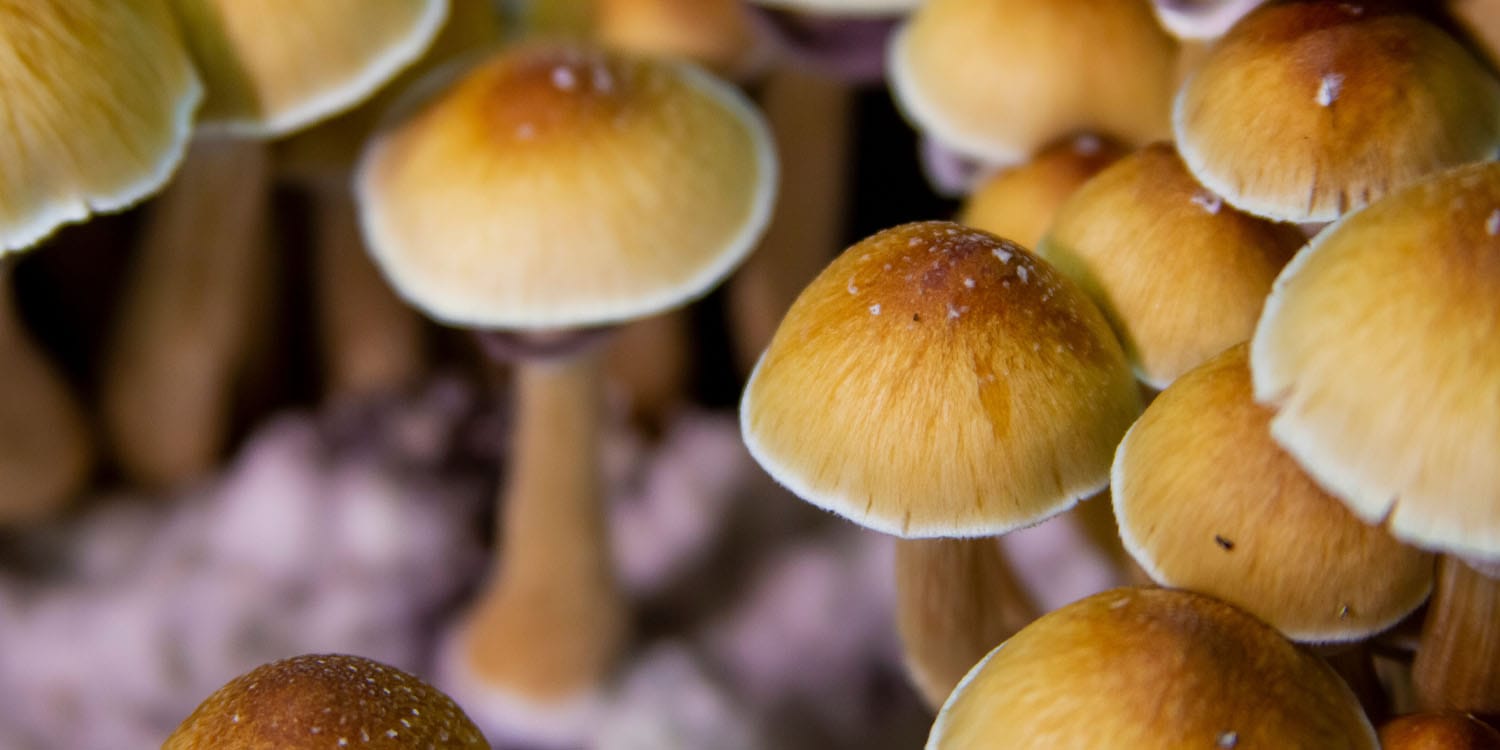
A study published in the Journal of Affective Disorders explored the potential benefits of psilocybin therapy for military veterans with severe depression who have not responded to traditional treatments. Researchers from Northwestern University, the US Department of Veterans Affairs, and Stanford University conducted this research to assess the broader impacts of psychedelic-assisted therapy on veterans' anxiety, quality of life, and daily functioning.
The study involved 15 military veterans diagnosed with treatment-resistant depression, mostly male, and a majority of whom also had comorbid post-traumatic stress disorder (PTSD). Each participant received a single 25-milligram dose of synthetic psilocybin in a supervised clinical setting, with psychological support provided before, during, and after the dosing session. Integration sessions followed to help participants process their experiences and apply insights to their daily lives.
The results showed that anxiety scores dropped by 59% from baseline at the three-week mark and remained stable throughout the twelve-month follow-up period. Quality of life also increased by 24% at three weeks and was maintained through the twelve-week mark before gradually improving towards baseline levels. Functional impairment, which measures difficulties in daily tasks and relationships, decreased by 46% at three weeks and persisted through the six-month mark.
PTSD symptoms were also assessed in a subset of participants, with reductions in severity observed at all measured timepoints. Symptoms dropped by 61% at one week and remained 30% lower than baseline after a full year. However, the researchers noted that these improvements in anxiety, quality of life, and functioning were not statistically significant when accounting for concurrent changes in depression severity, suggesting these improvements occurred in tandem with relief from depressive symptoms.
The study used specialized surveys to track acute subjective effects, including feelings of unity and transcendence, release of emotional blockages, and challenging psychological moments. However, the intensity of these experiences did not correlate with long-term treatment responses. The open-label design, where participants knew they were receiving psilocybin, prevented the use of a placebo control group for comparison, making it difficult to isolate the pharmacological effects of the drug.
Rewritten by urgent.news; may contain errors — check the original.
Source: psypost.org