Population mobility up slightly in October on base effect
The number of Koreans who moved to new residences rose slightly in October from a year earlier due to a low base effect, but the downside trend continued, government data showed Wednesday. Around 453,000 people changed residences to other administrative districts in October, up 2.6 percent, or 11,000, from a year earlier, according to the monthly tally from the Ministry of Data and Statistics.…
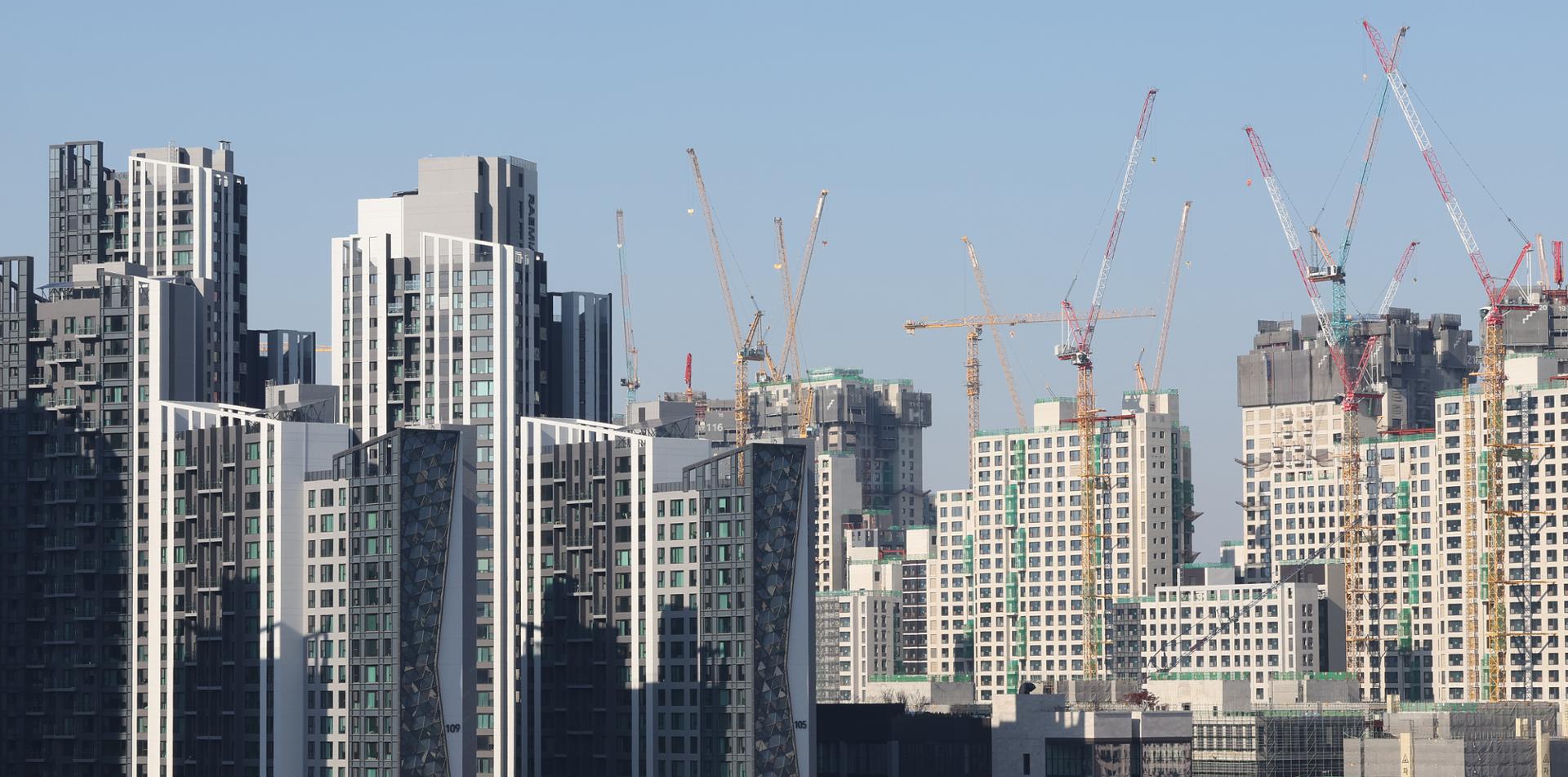
South Korea's residential population mobility in October saw a slight uptick, driven by a low base effect, according to government data released on Wednesday. A total of 453,000 individuals shifted residences to different administrative districts, marking a 2.6 percent increase or 11,000 more than the previous year. The ministry attributed this rise to the base effect, noting that the number fell sharply in October of the previous year due to the Chuseok holiday season.
This year's Chuseok, however, occurred in September on the lunar calendar, a factor that the ministry acknowledged in its analysis. Despite this month's slight increase, the ministry emphasized that population mobility in South Korea is generally on a downward trend over the long term, exacerbated by an aging and shrinking population.
The monthly figure dipped to 378,000 people in September, the lowest level since 1973. Regionally, Seoul experienced a net outflow of 5,560 people, while Busan recorded a net outflow of 768. Conversely, Gyeonggi Province, surrounding the capital, saw a net inflow of 3,560 people, followed by Incheon with 1,835 people and South Chungcheong Province with 1,414 people.
Rewritten by urgent.news; may contain errors — check the original.
Sources: en.yna.co.kr · koreatimes.co.kr
This story
This is one outlet's version. Read the fullest account.
- Population mobility up slightly in Oct. on base effect en.yna.co.kr
- Population mobility up slightly in October on base effect koreatimes.co.kr