Poorer districts face wider infrastructure and service gaps – GDCA study
Poorer districts in Ghana face significantly wider infrastructure and service delivery gaps than relatively wealthier areas, a study by the Ghana Developing Communities Association (GDCA) has found.
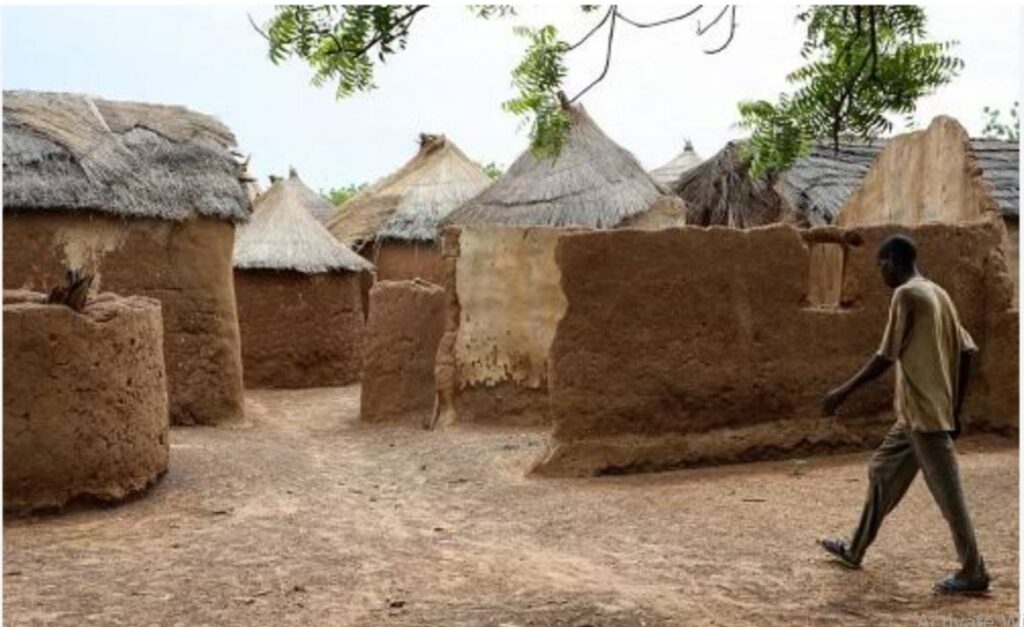
The Ghana Developing Communities Association (GDCA) is advocating for changes to the District Assemblies Common Fund (DACF) formula to ensure that poorer districts receive resources that accurately reflect their development needs. GDCA's Executive Director, Mr. Philip Gmabi, made this call during a GDCA-JoyNews national dialogue focused on the DACF's equity and implementation guidelines from 2020 to 2025.
The dialogue, themed "From Allocation to Receipt: Making the DACF Work for Poorer Districts," gathered stakeholders to discuss how the DACF can better address the needs of underprivileged communities. Gmabi pointed out that while the DACF was designed to share development resources across Ghana, enabling each district assembly to deliver essential services, many districts face unique challenges such as deeper poverty, inadequate basic services, poor infrastructure, and higher costs of service delivery.
He emphasized that without a distribution formula that adequately accounts for these disparities, districts with greater needs may be deprived of the necessary resources to address persistent development gaps. Gmabi stressed the importance of a formula that is more responsive to actual needs to direct resources towards communities with the most urgent challenges.
He also highlighted the need for predictable and timely fund releases and greater flexibility for assemblies to use the resources according to their local priorities. Delays and uncertainty in fund releases hinder assemblies' ability to plan and execute development projects, causing frustration among contractors, service providers, and communities.
Furthermore, Gmabi argued that assemblies require reasonable discretion to address local development priorities rather than being constrained by centrally prescribed expenditure requirements. He stressed that any flexibility must be paired with transparent decision-making, public participation, and robust accountability mechanisms.
The findings of the study, "Comprehensive Study on DACF Allocation Equity and Guideline Implementation in Ghana (2020–2025)," commissioned by GDCA as part of its Empowerment for Life (E4L) Programme, examine DACF allocations, releases, and utilisation between 2020 and 2025. The study specifically focuses on ten E4L focus districts and assesses the 2025 DACF Use Guidelines against the 2026–2029 Medium-Term Development Plans of six focus districts.
Rewritten by urgent.news; may contain errors — check the original.
Source: myjoyonline.com
This story
This is one outlet's version. Read the fullest account.