Poet targeted by literary hoax has plaque vandalised
More than 80 years on from the Ern Malley hoax — arguably the most notorious literary scandal in Australian history — the poet who was the target of the deception has had his memorial plaque vandalised.
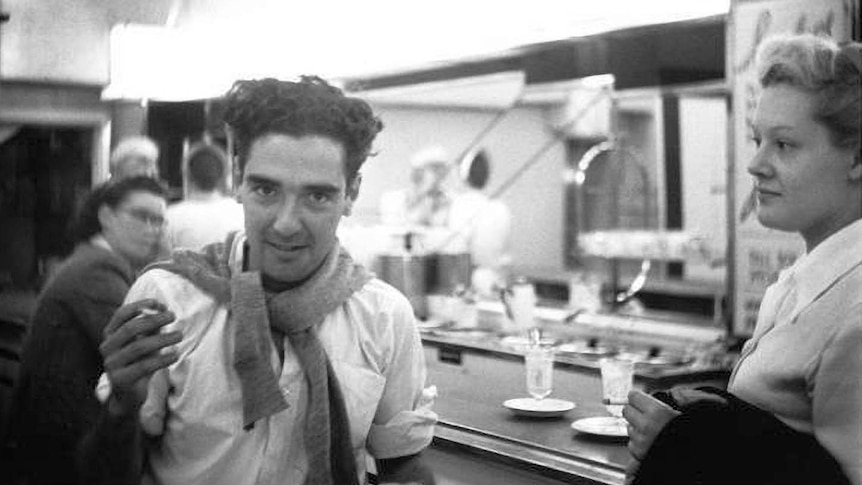
A memorial plaque to Australian poet Max Harris has been damaged, sparking outrage over what his daughter described as "desecration". Max Harris, renowned for his role in the Ern Malley hoax, died in 1995 and was laid to rest at Mary MacKillop Park in Adelaide's east. The park was recently targeted in an act of vandalism, with the plaque on Harris's headstone being partially removed.
Harris's daughter, Samela Harris, expressed her distress over the incident, comparing it to the Ern Malley hoax, which she said targeted her father as an "intellectual vandalism". The vandalism occurred amid a wave of metal thefts across South Australia, with police investigating the theft of brass plaques from a tourist attraction in Kapunda.
Max Harris was well-known for his poetry, essays, and criticism, but became a household name through the Ern Malley hoax, a 1944 literary scandal involving fake poems attributed to a non-existent author. Harris's daughter, who is also an author and columnist, stated that her father had always been a target due to his modernist and surrealist works.
She described her father as having been "publicly humiliated" by the Ern Malley affair, which she believed silenced him for a while. Max Harris had a deep admiration for Josephite nun Sister Mary MacKillop, supporting her canonisation despite not being a Catholic. The plaque at Mary MacKillop Park, adorned with lines from Harris's poem "Martin Buber in the pub", could not be salvaged and may need to be replaced, according to Samela Harris.
Norwood, Payneham and St Peters Mayor Robert Bria condemned the act as "egregious" and "disgraceful", calling the park a "sacred place".
Rewritten by urgent.news; may contain errors — check the original.
Source: abc.net.au