PHL must diversify sources of fuel, food, Balisacan says
THE PHILIPPINES must diversify its sources of imports, particularly fuel and food, in light of the fallout from…
The Philippines must broaden its sources of imports, particularly fuel and food, following the turmoil in the Middle East, as stated by Economy Secretary Arsenio M. Balisacan. Balisacan emphasized the need for greater flexibility and a reduction in import costs during a recent press conference. The Department of Economy, Planning, and Development (DepDev) stressed the importance of diversifying growth sources and minimizing import expenses.
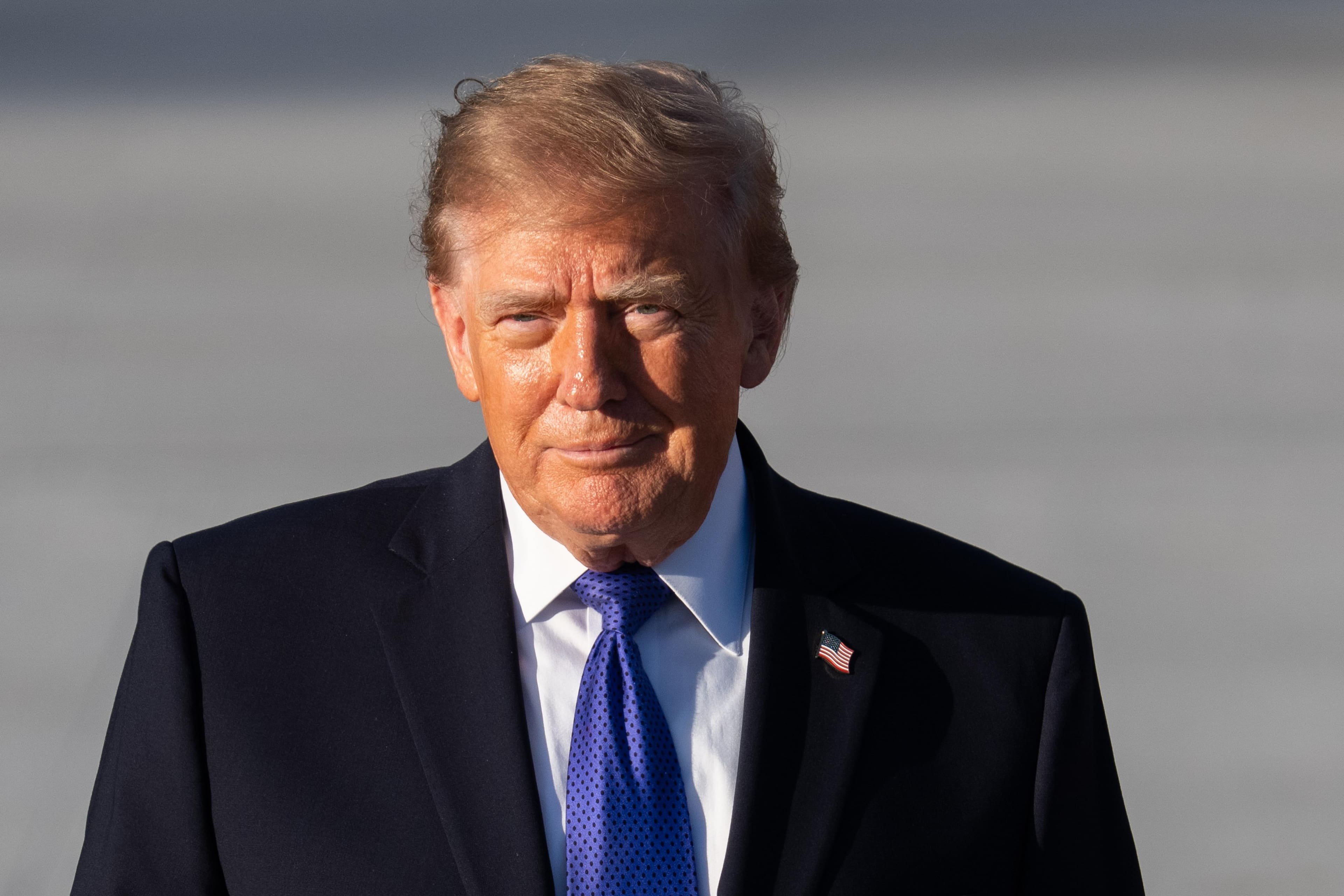
US President Donald J. Trump has been encouraging the Philippines to purchase more US agricultural products and energy resources, stating that they plan to source 100% of their agricultural goods and fuel imports from the US by January 1, 2027. However, Philippine officials have clarified that no such 100% deal has been finalized.
Instead, Philippine President Ferdinand R. Marcos, Jr., acknowledged that US agricultural goods and energy providers will be utilized as a diversification strategy. Balisacan clarified that the DepDev had no involvement in the US-Philippine discussions regarding increased energy and farm imports. Assistant Secretary Neil Adrian S. Cabiles of the Department of Finance's Office of the Chief Economist explained that diversifying import sources aims to ensure an adequate supply of food and energy.
He emphasized that as long as these essential needs are met, diversification is highly beneficial. Cabiles highlighted that free trade agreements (FTAs) with countries such as the United Arab Emirates, South Korea, Chile, Canada, and the European Union will help secure dependable sources of goods that the Philippines may lack a comparative advantage in producing.
Despite the challenges, it is crucial to have reliable trading partners to mitigate potential disruptions caused by weather and technological factors, according to Senior Economist Jonathan L. Ravelas of Reyes, Tacandong & Co. The Philippines currently imports 90% of its petroleum needs from the Middle East, rendering it particularly susceptible to the region's tanker traffic disruptions. In September, merchandise imports increased by 20.33% year on year, reaching $121.11 billion.
Rewritten by urgent.news; may contain errors — check the original.
Source: bworldonline.com