On this day: The death of Fidel Castro
Fidel Castro became, and remains, the murderous dictator it’s acceptable for mainstream politicians to admire, writes Eliot Wilson.
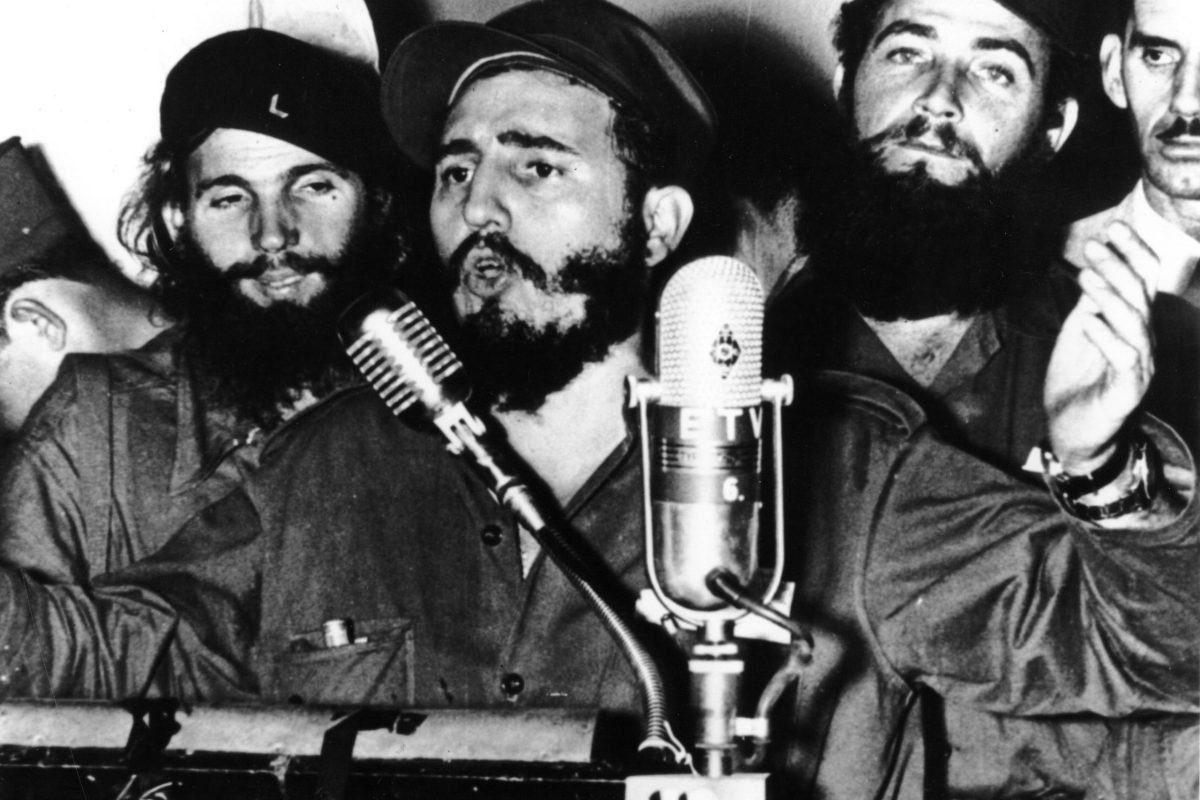
On November 25, 2016, Cuban revolutionary leader Fidel Castro passed away at the age of 90. The Cuban leader, notorious for his murderous regime, was the subject of admiration among mainstream politicians. Ten years prior, on the same date, the state broadcaster, Cubavisión, aired an unexpected address from Raúl Castro, Fidel's brother and successor.
Raúl announced Fidel's passing at 10:29 p.m. and explained the cremation ceremony for Fidel's remains. The phrase "Ever onward to victory!" served as the final words of Che Guevara's letter to Fidel in 1965, motivating Castro in his quest for Marxist-Leninist revolution across Africa and South America. Although Guevara was executed in Bolivia in 1967, Castro continued his rule for many more years.
Born in 1926, Fidel Alejandro Castro Ruz came from a wealthy family with roots in Galicia. He studied law at the University of Havana before becoming involved in radical left-wing politics. Castro's journey to power started when he volunteered for a military coup in the Dominican Republic and later protested against the Organization of American States.
In 1954, he joined the government of Fulgencio Batista, eventually leading the Cuban Revolution to overthrow Batista in 1959. Castro held various positions, including Prime Minister and President of the Council of State, until he stepped down in 2008. His charisma and oratory skills made him an imposing figure on the world stage.
However, it was his decision to host Soviet nuclear missiles during the 1962 Cuban Missile Crisis that marked a significant turning point in US-Cuba relations. The crisis made it clear that Castro was willing to use nuclear weapons against America, solidifying the deep freeze in relations between the two countries.
Rewritten by urgent.news; may contain errors — check the original.
Source: cityam.com