NASA Eyes Crop Candidates for Future Menus
As NASA prepares for future missions to the Moon and Mars, researchers are studying crops that could provide astronauts with fresh food, nutrition, and variety far from Earth. Such crop variety can help with menus in deep space, something top of mind this week as the nation celebrates Thanksgiving. Recent testing points to strawberries, […] The post NASA Eyes Crop Candidates for Future Menus…
As NASA gears up for upcoming missions to the Moon and Mars, scientists are identifying crops that could supply astronauts with fresh produce, essential nutrients, and diverse flavors during extended space travel. Delivering a variety of crops to future space colonies, such as a potential Moon Base or Mars outpost, becomes increasingly vital as missions venture farther from Earth.
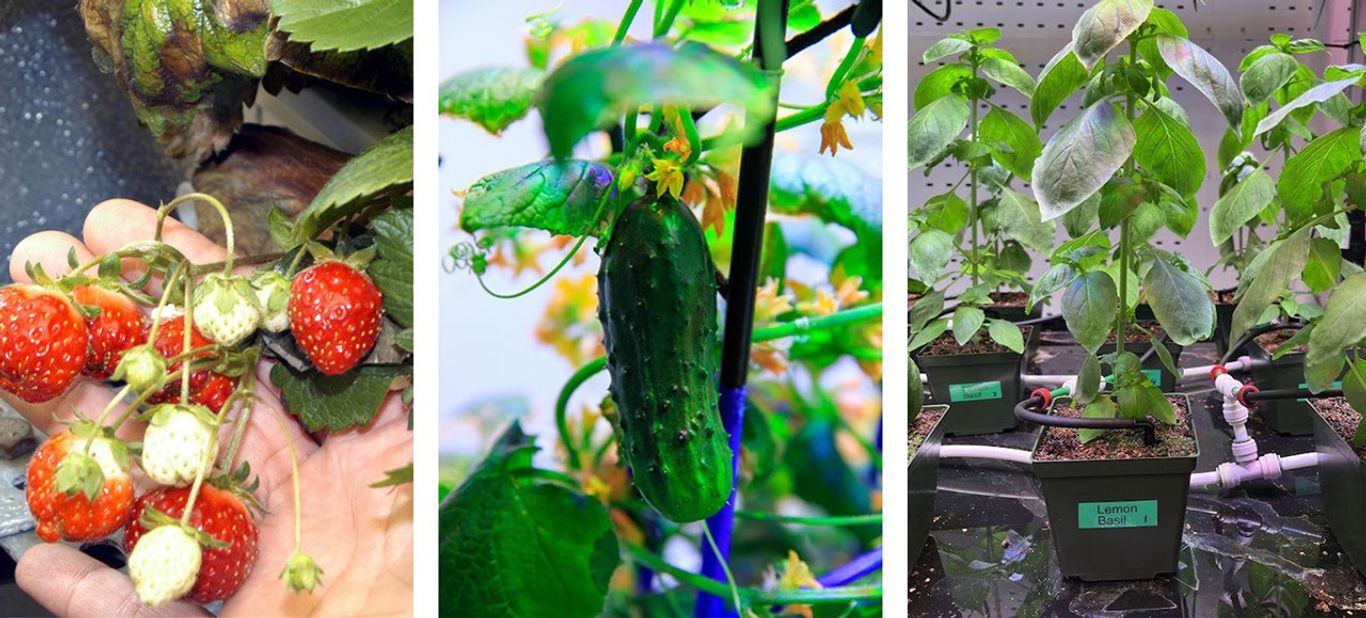
Among the top contenders for space crops are strawberries, cucumbers, and lemon basil. Strawberries, particularly, are a sweet fruit under serious consideration for spaceflight. They are not only nutritious and aromatic but also self-pollinating, making them ideal for astronaut diets. Researchers at NASA's Kennedy Space Center in Florida are currently testing strawberries in simulated space conditions, while a team from Australia is contributing to the knowledge of space strawberries.
Comparative tests between NASA's preferred strawberry variety, 'Delizz', and a wild strawberry candidate have revealed distinct differences. While 'Delizz' produced large, red fruit, the wild strawberry yielded small, yellow fruit due to a genetic mutation. However, the wild strawberry proved more resilient, generating twice as many buds, flowers, and fruits as 'Delizz'. Despite its abundance, 'Delizz' grew too many runners, a problem that would consume valuable space on a spacecraft.
Cucumbers have also shown promise as a potential space crop. Space travel has previously seen the cultivation of various plants, but none from the gourd family. Cucumbers may be the first, though extensive testing is required before they can be safely consumed in space. Recent studies found that cucumber plants exhibited some signs of enlarged leaves under spaceflight conditions, yet they still produced edible fruit. These findings suggest that cucumbers could contribute to a varied and satisfying diet for astronauts.
Another crop benefiting from space research is lemon basil, an herb with a distinctive citrus flavor. Lemon basil has successfully completed its preliminary space crop testing and is now undergoing seed sanitization before its journey to the International Space Station. The herb's unique taste can add a refreshing twist to astronauts' packaged meals, alleviating the monotony of space food and supporting their mental well-being.
As researchers continue to advance crop production in space, NASA's Biological and Physical Sciences Division plays a crucial role in unlocking the scientific knowledge required to sustain life in space. By studying biological and physical phenomena under extreme conditions, scientists can develop innovative solutions that benefit both space exploration and life on Earth.
Rewritten by urgent.news; may contain errors — check the original.
Source: science.nasa.gov