Mythen im Check: Zuckerersatz und Virenkiller: Wie gesund ist Honig wirklich?
Honig gilt als gesunde Zuckeralternative und natürliches Antibiotikum. Stimmt das? Ein Ernährungsexperte ordnet die süßen Versprechen ein – und erklärt, warum Babys keinen Honig bekommen sollten.
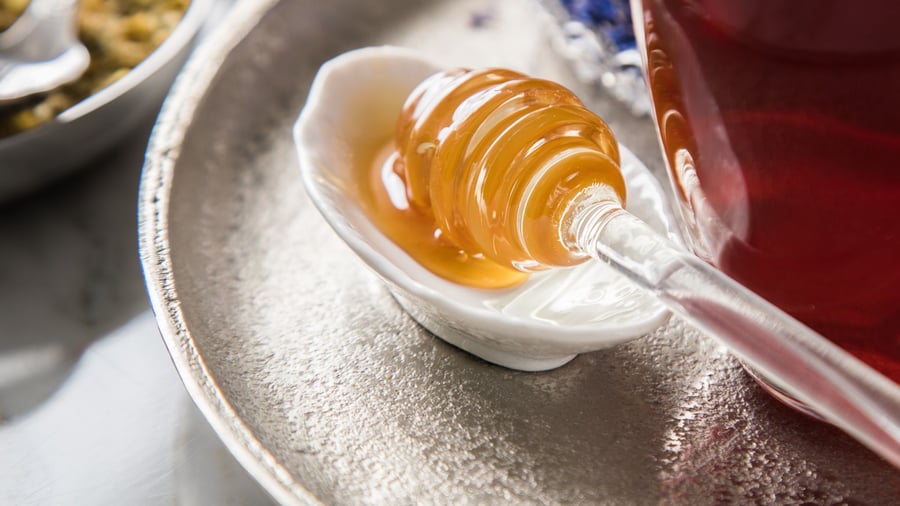
Every German citizen statistically consumes close to a kilogram of honey every year, not only because of its taste but also due to the various beneficial properties attributed to it. Honored with the tagline of being healthier than regular household sugar, a spoonful of honey stirred into a cup of hot milk is believed to act as a natural antibiotic, and when mixed with water, it is even claimed to neutralize toxins. But are these claims truly justified?
Honey's natural allure and its frequent comparison to sugar as a healthier alternative draws Armin Valet's attention first. Valet is an Ernährungsexperte and staatlich geprüfte Lebensmittelchemiker at the Verbraucherzentrale Hamburg. He reveals that honey is actually around 80 percent sugar, primarily fructose and glucose. The rest is largely water and minute amounts of enzymes, minerals, vitamins, antioxidants, and pollen.
Honey is and remains primarily a sweetener. "Even if honey contains valuable ingredients, at its core, it remains a sweetener," explains Valet. Consequently, he advises that honey, just like other sugar-containing foods, should be consumed sparingly. "The vitamins and minerals they contain are present in such small amounts that they do not substantially contribute to a balanced diet," he states.
The antibacterial claim is another aspect where honey is frequently praised. However, there is no scientific backing to support this assertion. "There is insufficient scientific evidence to support the health-enhancing effects attributed to honey, such as its use in treating colds or its supposed antibacterial or antioxidant properties," clarifies the consumer advocate. Even so, Manuka honey fans might argue otherwise - health or disease-related claims on Manuka honey, known as Health Claims, are not permitted.
Valet cautions of a specific risk for infants: "Children under twelve months should never be given honey." This is because honey could contain spores of the Clostridium botulinum bacterium, which can germinate in the undeveloped gut of a baby, leading to a potentially life-threatening toxin poisoning. People with weakened immune systems should also exercise caution.
Rewritten by urgent.news; may contain errors — check the original.
Source: handelsblatt.com