Mice or Hawks? Why Single-Player AI Tools Can't Deliver Compounding ROI, and Why Multiplayer AI Can
Discover how multiplayer AI connects engineering, QA, SRE, and support through shared production context to improve reliability and compound AI ROI.
Multiplayer AI is an operating model where every AI tool and teammate in the software development lifecycle (SDLC) shares context, leading to compounding gains across teams. Single-player AI, on the other hand, provides engineering organizations with faster "mice" by increasing individual productivity. However, multiplayer AI is the operating model that changes both speed and the species of AI tools.
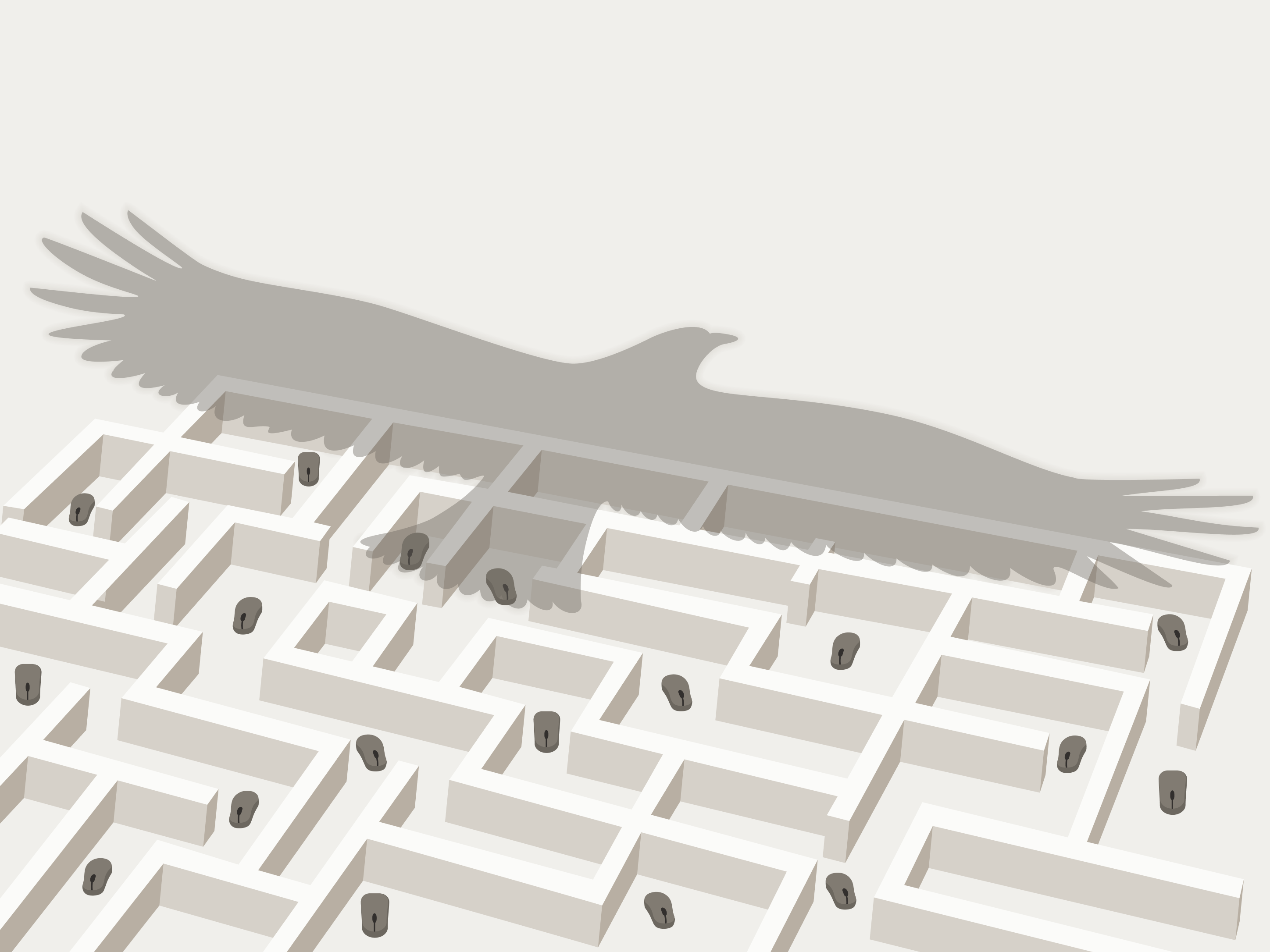
Consider two animals tackling the same problem: a mouse in a maze. The mouse is quick and speeds up with each run, shaving off fractions of a second. But the mouse only sees what's directly in front of it, failing to comprehend the entire maze structure. Even if speed is increased, a mouse remains a mouse. Most AI tools available to engineering organizations in 2026 are akin to these mice, each boosting a single developer's productivity in isolation.
In contrast, the hawk operates differently. It rises above the maze, taking in the whole landscape—corridors, walls, other hawks' positions, what worked and didn't work in previous seasons. The hawk doesn't run mazes; it picks targets, not directions. This distinction between single-player AI and the forthcoming multiplayer AI tools highlights the difference between merely shipping faster and achieving true compounding ROI.
Single-player AI tools may provide short-term gains, such as quicker Devs, SREs, and Support teams, and higher PR velocities. However, these improvements often come at the cost of expanding technical debt, as AI-generated "happy path" code passes unit tests but fails to consider the broader architectural context. The surface area for operation expands, and new layers of AI complexity are layered onto legacy systems that were already underdocumented.
Unlike single-player AI tools, multiplayer AI provides engineering teams with a unified view of shared context, allowing them to tackle production issues, plan refactors, and make informed decisions about future development. This shared context is achieved through a continuously learning engineering world model that integrates code, tickets, telemetry, deploys, and incident resolution history.
The result is a single, coherent map that enables teams to work cohesively, eliminating siloed tools and individual task-based work organization.
In practice, PlayerZero, the only platform designed for multiplayer AI, exemplifies this approach. By giving every function—engineering, support, SRE, and QA—the same production map, PlayerZero enables teams to collaborate seamlessly, learn from each other's insights, and collectively improve reliability, refactor plans, and investment decisions.
Ultimately, multiplayer AI represents a structural shift in how engineering organizations approach AI tools, moving beyond speed and local effectiveness to achieve compounding ROI through shared context and comprehensive understanding of the production environment.
Rewritten by urgent.news; may contain errors — check the original.
Source: hackernoon.com