Los costos de descuidar la seguridad pública
Entre 2018 y 2026 las condiciones de seguridad en México, ya de por sí deficientes, se deterioraron aún más.
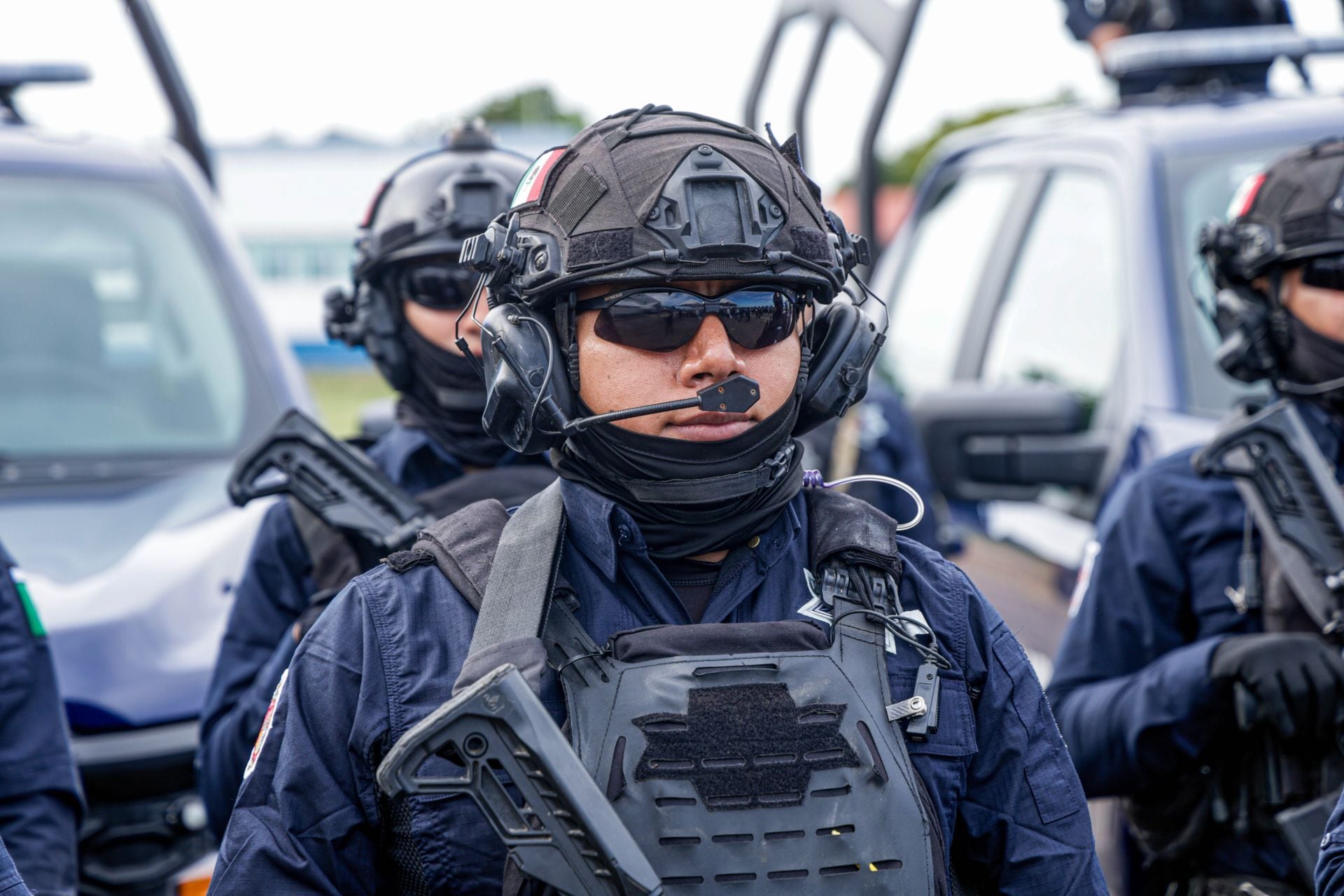
The failure of the Mexican government to adequately fulfill its obligation to ensure public safety is evident in international safety indicators. In 2026, the Global Peace Index placed Mexico at 139 out of 163 countries, indicating it is among the 16% least peaceful nations worldwide. Similarly, the World Justice Project's Rule of Law Index ranked Mexico at 125 out of 143 nations.
Although the total number of nations evaluated has increased over time, absolute scores provide more useful insights than rankings to examine changes in Mexico's security conditions. Between 2018 and 2026, security conditions in Mexico deteriorated further, as indicated by both indices. The Global Peace Index showed a slight decline from 2.583 to 2.650, representing a 2.6% increase in peacelessness.
The Rule of Law Index recorded a more significant decline from 0.45 to 0.39, a 13.3% decrease in the state of law. While international safety indices are complementary, they may fall short in capturing emerging issues. For instance, both indices heavily emphasize intentional homicides but do not explicitly consider forced disappearances, which have seen notable increases recently, potentially underestimating Mexico's security deterioration.
Public insecurity carries significant costs, primarily in human lives, injuries, property damage, restrictions on individual freedoms, uncertainty, and community disintegration. Official figures in Mexico, even when high, do not accurately capture the suffering and distress of victims and their families. Similarly, businesses face closures due to extortion or threats, increased security expenses, altered operating hours, lost merchandise and inventory, and relocation to safer regions.
These effects raise operational costs for businesses and decrease their efficiency, ultimately reducing the expected return on new investment projects. Empirical evidence from around the world highlights the negative impact of insecurity on production, employment, product diversity, utilization of installed capacity, investment, and long-term economic growth.
The most substantial economic cost of insecurity is invisible, representing the wealth that could have been generated and is not, the jobs that could have been created and are not, and the economic growth that could have been achieved but is not. One of the most coherent explanations for Mexico's deficient public safety is the work of economist Gary S. Becker in 1968, who argued that criminal decision-making is influenced by expected benefits and potential costs of crime.
This perspective is particularly useful in explaining the high levels of crime in Mexico when considering factors such as the profitability of illicit markets, the weak judicial system, impunity, and institutional corruption. The public safety policy implemented in Mexico since 2019, characterized by tolerance towards organized crime groups, weakening of the judiciary, and low priority given to public safety in government spending, has significantly contributed to the failure in this area.
Immediate, substantial, and verifiable improvements in public safety must be a priority for the Mexican government, as the magnitude of the problem demands it to protect citizens adequately.
Rewritten by urgent.news; may contain errors — check the original.
Source: elfinanciero.com.mx