Liquor industry warns ready-to-drink alcohol market at risk if excise taxes raised
THE liquor industry said higher excise taxes on ready-to-drink (RTD) alcoholic beverages could make legitimate products less competitive,…
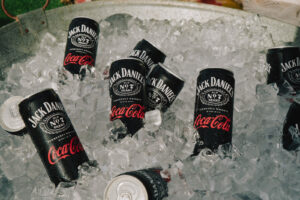
The liquor industry has cautioned that raising excise taxes on ready-to-drink (RTD) alcoholic beverages could place legitimate products at a competitive disadvantage, potentially driving consumers towards cheaper illegal alternatives instead of deterring alcohol consumption altogether. Olivia Limpe-Aw, who leads the Distilled Spirits Association of the Philippines (DSAP), advised against placing additional tax burdens on RTDs, pointing out that some products contain alcohol concentrations similar to beer.
She elaborated that RTDs are typically manufactured at alcohol concentrations of 3%, 5%, or 7%, much like beer. Limpe-Aw stressed that RTDs already face a tax of 22% ad valorem tax based on net retail prices, along with applicable specific excise taxes. She argued that introducing further tax increases would be unfair to the RTD market.
Ms. Limpe-Aw warned that such a move might discourage consumers from purchasing RTDs, affecting both manufacturers and government revenue. Minerva Dela Cruz from the Association of Beverage Alcohol Producers of the Philippines (ABAPI) echoed concerns that higher prices for legally purchased and taxed alcoholic beverages could undermine the government's aim to curb harmful drinking.
She also doubted the Department of Finance's (DoF) comparison of tax burdens between distilled spirits and beer, stating that distilled spirits already undergo a hybrid tax system with a specific tax and a 22% ad valorem tax based on net retail prices. Dela Cruz warned that using a low-priced distilled spirits brand to illustrate it's a lower tax than beer would not accurately reflect the tax burden across all categories.
She called for a more comprehensive comparison using net retail prices, alcohol strengths, and sales volumes from both categories to establish their true tax burdens under both existing and proposed systems. Limpe-Aw and Dela Cruz jointly urged legislators to maintain current alcohol excise tax rates, citing the industry's economic struggles and the potential for higher prices to further dent sales.
They noted that manufacturers pay advance tax payments before selling their products, and distilled spirits are also subject to a 22% ad valorem tax. According to a Bureau of Internal Revenue (BIR) presentation at the hearing, alcohol tax collections dropped to P82.5 billion in the first nine months of the year, down from nearly P85 billion in the same period last year.
Collections for fermented liquor like beer fell to P49.96 billion from about P50.08 billion, while wine revenue decreased to P20 million from P50 million. Collections for distilled spirits, however, rose to P34.97 billion from P32.36 billion. Dela Cruz attributed the increase in distilled spirits collections partly to the ad valorem tax, which enables government revenue to grow with retail price hikes even if product withdrawals decrease.
Finance Undersecretary Karlo Fermin S. Adriano noted that the department wants to align the taxation of distilled spirits more closely with fermented liquor, based on alcohol content, as distilled spirits currently face a lower excise tax per unit of alcohol.
Rewritten by urgent.news; may contain errors — check the original.
Source: bworldonline.com