Lawsuit alleges Trump strong-armed Intel
The president apparently threatened the Intel board with "consequences" if they did not accept his demand for a 10% stake on the company.
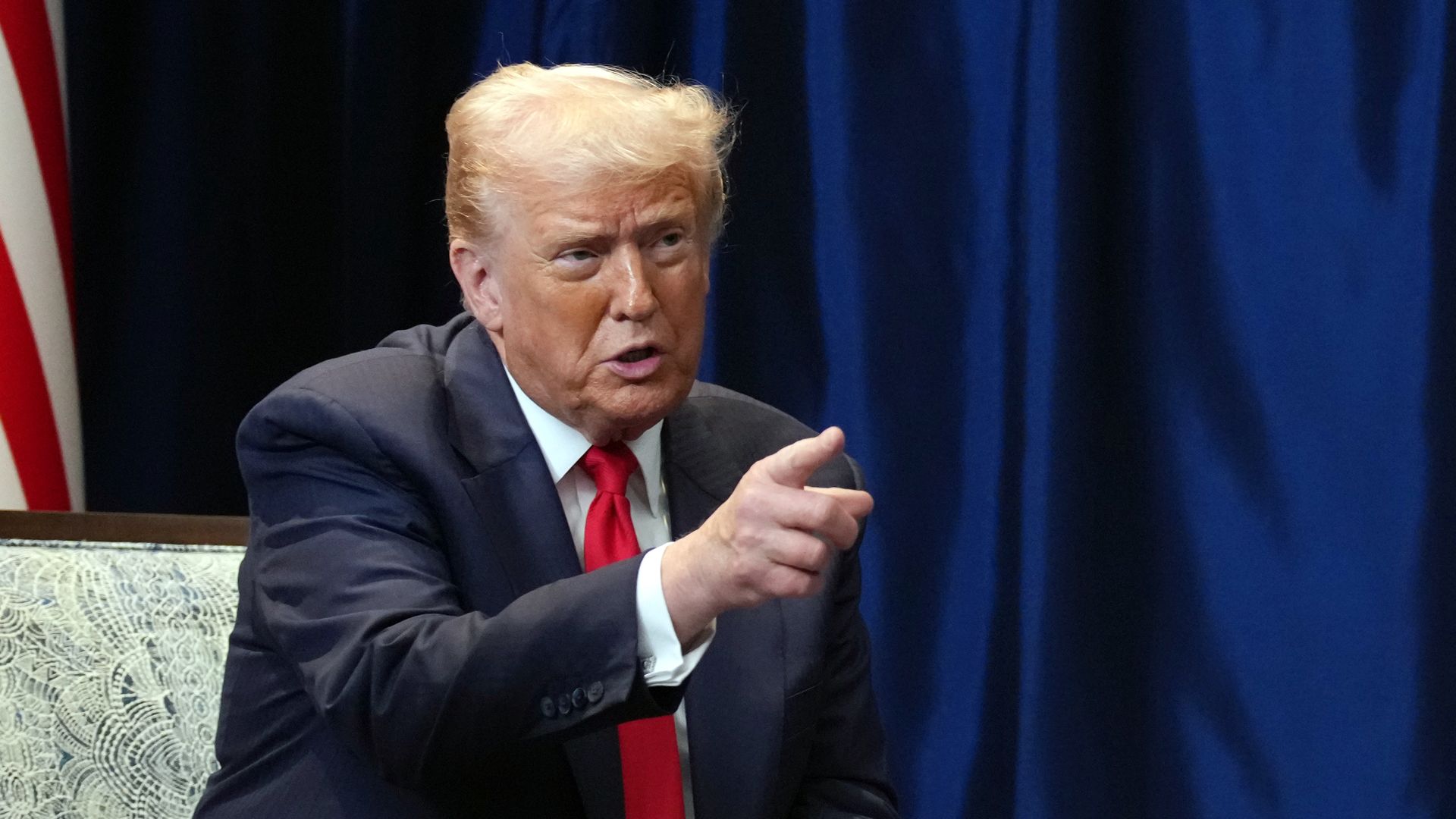
An Intel shareholder lawsuit has unveiled how President Donald Trump allegedly coerced the chipmaker's board into accepting an unfavorable deal. Richard Paisner filed the lawsuit, claiming the White House's 10% stake in exchange for the release of CHIPS Act funds was unlawful. Wired obtained unsealed documents from the case, revealing Trump's influence over Intel's board.
Intel was grappling with financial difficulties since July 2024, and its new CEO, Lip-Bu Tan, faced scrutiny over his ties to Chinese tech companies. In August 2025, Trump urged Tan's resignation, deeming him "highly conflicted." Intel CEO Lip-Bu Tan ultimately met with the president, Commerce Secretary Howard Lutnick, and Treasury Secretary Scott Bessent, where Trump proposed the 10% deal.
Intel was still awaiting $8.9 billion in funding from the CHIPS and Science Act. Internal documents show that Commerce Department lawyer David Shapiro warned Intel's CFO not to negotiate, while stating the president expected a deal on Friday. The board allegedly felt pressured into accepting the offer due to the threat of consequences.
Intel's external legal counsel had provided up to $100 million in free legal services to the Trump administration. Trump has previously pressured other companies, including Nvidia, to reinstate executives he deemed unfavorable.
Rewritten by urgent.news; may contain errors — check the original.
Source: tomshardware.com