Küresel piyasalarda yeni tedirginlik
ABD, Yüksek Mahkeme'nin iptal ettiği tarifelerin yerine Çin, AB ve 12'den fazla ekonomiyi hedefleyen yeni tarifeler açıklamaya hazırlanırken risk iştahı da baskı gördü.
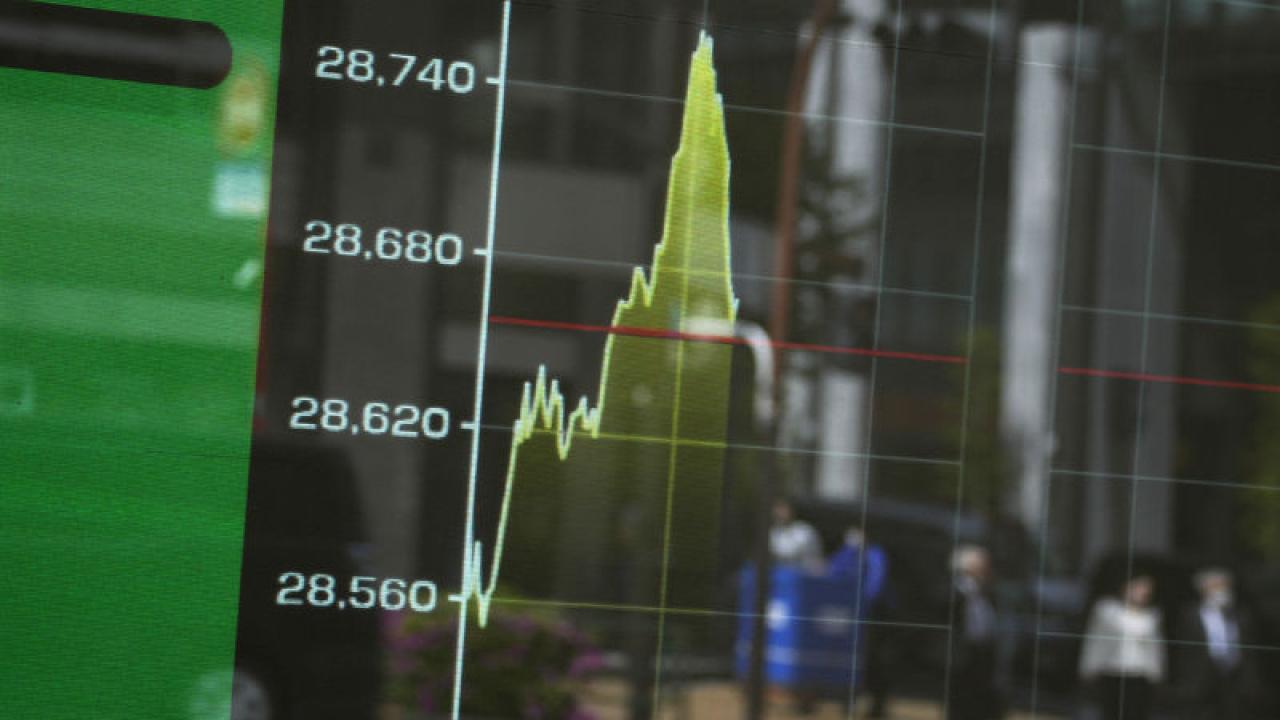
Global markets experienced renewed concern following a Monday market holiday, with artificial intelligence investments facing sustainability doubts once again. On Tuesday, the Nasdaq 100 fell by 2%, while Nvidia saw a nearly 6% price decline and Anthropic slipped below its initial public offering price. The Philadelphia Composite Index dropped by nearly 40% from its current record high.
In contrast, most S&P 500 companies completed the day in the green. Trade continued across Asia this morning. In the Asian ex-Pacific MSCI Index, the index fell by 2%. Taiwan fell by 5%, South Korea by 5.7%. These indicate potential declines in U.S. indices. The Nasdaq 100 shed 1.2%, while S&P 500 futures slipped by 0.7%. The increased demand for risk aversion is contributing to the decline, with U.S. Treasury yields falling 4.90% to 90.
HSBC Asia Chief Economist Frederic Neumann noted that potential new tariffs could significantly impact market expectations, urging investors to continue focusing on AI and the Fed. In commodity markets, Brent oil prices fell by more than 1% to around $90, pressured by increasing supply signals around the Strait of Hormuz and tightening of control over Hormuz.
Iran's announcement of another tanker collision near the strait and the threat of tighter control over Hormuz gave a temporary push to oil prices, but the International Energy Agency expects global oil markets to face a supply surplus in this quarter. Gold also finished the eighth session of the quarter lower, nearing 3,550 dollars, down from its prior support level of 3,550 dollars, where inventories were above 30%.
The rules were tightened to require new positions for inventories exceeding 30% of current holdings; previously, the threshold was 50%. This comes as inventories have reached historic lows, and some investors hold large long positions. The move resulted in a rapid decline in physical aluminum prices; spot deliveries for December saw a sharp drop from $212 per ton to $100.
Rewritten by urgent.news; may contain errors — check the original.
Source: bloomberght.com