Japan stocks’ rebound threatened as retail margin losses balloon
Unrealized losses on long margin positions averaged 19.7% on Tuesday, hovering near the 20% level associated with a heightened risk of forced selling.
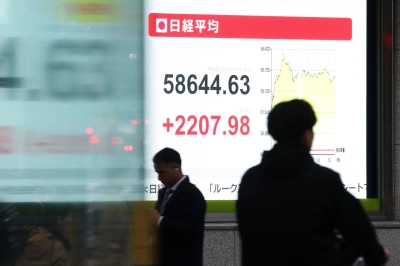
Japanese stocks may face challenges in maintaining their recent rebound as the losses incurred by leveraged retail investors continue to mount, potentially triggering additional selling pressure. According to account data from Matsui Securities, unrealized losses on long margin positions averaged 19.7% on Tuesday, nearing the 20% threshold often linked with an increased likelihood of forced selling.
Following Jensen Huang's surprising return to Nvidia, the tech-heavy Nikkei 225 Stock Average experienced a surge in Tuesday trading as investors flocked back into chip stocks. However, retail investors, who have increasingly impacted market movements, might curtail further gains if they utilize the rebound to liquidate positions and alleviate their losses.
"Even with the sharp rebound in AI-related stocks, many investors bought at much higher prices. The stronger the stocks rise from here, the more selling into the rebound we are likely to see," commented Tomoichiro Kubota, chief market analyst at Matsui Securities. Given that retail investors are still grappling with unrealized losses, their ability to push AI-related stocks higher remains constrained, according to Kubota.
The group's selling could serve to cap further gains. Prior to Anthropic's highly anticipated initial public offering last week, retail investors had heavily invested in leveraged bullish bets, a decision that proved ill-timed as markets turned against them. Outstanding margin buy positions in memory-chip maker Kioxia Holdings surged to 51.9 million shares on Thursday, up from approximately 50 million on November 13, according to Japan Exchange Group data.
SoftBank Group and optical-fiber maker Furukawa Electric also witnessed increases in their share prices. Leveraged retail losses have become a concern in other Asian markets as well. South Korea temporarily suspended the listing of single-stock leveraged exchange-traded funds in mid-July and tightened restrictions on their use by retail investors.
"Their wounds are getting deeper and deeper," remarked Hideyuki Ishiguro, chief strategist at Nomura Asset Management, referring to the growing predicament of Japanese retail investors who have amassed more AI and semiconductor shares on margin last week while simultaneously holding onto unrealized losses. The unfavorable technical landscape further complicates matters for institutional investors looking to buy AI-related shares.
Rewritten by urgent.news; may contain errors — check the original.
Source: japantimes.co.jp