It’s everybody’s PET
Growing up in the 1970s, I recall beverages were sold mostly in glass bottles with metal caps or…
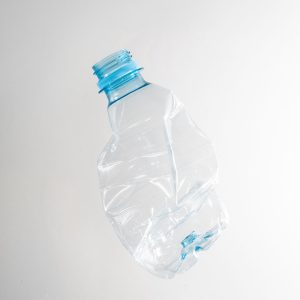
In the 1970s, beverages were predominantly sold in glass bottles with metal caps or crowns. Imported soft drinks came in aluminum cans, while Sunkist orange drinks arrived in triangular or tetrahedral cartons. In the 1980s, Tetra Brik cartons replaced glass bottles for milk and similar beverages. Glass bottles sold soft drinks and beer required a deposit, which was refunded upon returning the bottle.
There was no cap on the number of bottles kept or the duration for which they could be kept. Empty glass bottles held value, so people kept them rather than discarding them. Bulk beer buyers often had stacks of bottles in green cases stored at home, ready for their next purchase. The deposit system was straightforward, with no campaign or digital app involved.
Storekeepers knew their regular customers, and the return process was part of daily life. However, the advent of PET bottles, aluminum cans, and carton bricks disrupted this system. These materials were lightweight, cheap, and designed for single-use, eliminating the need for the manufacturer to reclaim the container. The responsibility shifted to households, barangays, and cities, with the deposit disappearing and the habit fading away.
The author supports beverage makers' efforts to collect used PET bottles, but believes the foundation should have been providing a reason for people to return containers, making the process as easy as purchasing the drink. To achieve this, beverage companies should disclose the number of bottles sold and the number of bottles collected and recycled, allowing for a comparison between the two figures.
This approach would reveal the unrecovered balance of bottles and help identify any gaps in the recycling process. Norway's deposit system, which reports over 90% bottle return rates, and Germany's system, which achieves a 98% return rate, demonstrate the benefits of rewarding consumers and providing convenient return options. A goal of 100% return rate for PET bottles, even if unattainable, should be set, with a plan to gradually reduce any remaining balance.
The author concludes by emphasizing the need for transparency in reporting the progress and outcomes of PET bottle return programs.
Rewritten by urgent.news; may contain errors — check the original.
Source: bworldonline.com