ISUZU traza ruta multitecnológica para reducir emisiones
Para avanzar hacia un transporte de carga más sustentable, la armadora impulsa una estrategia de descarbonización en nuestro país que combina motores diésel, electromovilidad, gas y combustibles de carbono neutral.
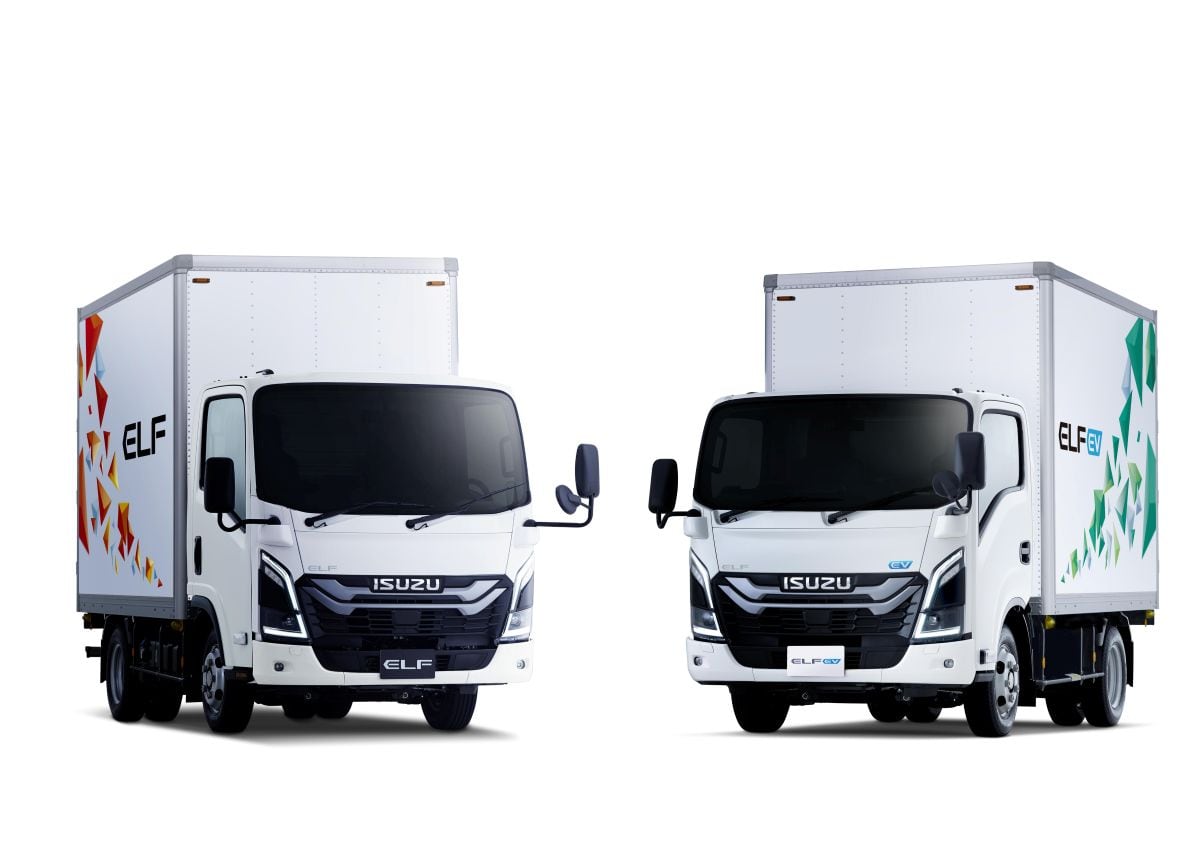
Reducing emissions in cargo transportation demands solutions tailored to the specifics of each logistical activity. Factors like distance, cargo weight, working cycles, energy availability, and costs influence which technology proves most beneficial for businesses. Japanese shipbuilder ISUZU formulates its global multi-pathway strategy, exploring various technological options to boost logistical productivity and cut pollutant emissions in its vehicles.
Constantino Vázquez, director of ISUZU Motors dealerships in Mexico, explained that this approach includes advanced diesel engines, electric vehicles, gas-powered units, and options compatible with carbon-neutral fuels, along with research into fuel cell technologies. Operational efficiency is the starting point. Diesel has remained a relevant energy source for commercial transportation in Mexico, especially in scenarios where range, load capacity, and fuel station availability matter.
ISUZU Motors Mexico keeps this technology in its portfolio while adding developments to boost engine performance and cut environmental impact. Vázquez said that evaluating variables such as daily mileage, cargo type and weight, working cycles, required autonomy, available infrastructure, and initial investment is necessary to determine the suitable solution for each company.
Operational costs must also be considered to assess the economic viability of introducing new technologies to a fleet. Electric mobility: real-world trials ISUZU Motors Mexico started exploring electric technology through customer trials to assess vehicle performance in real work scenarios. These tests will identify segments where an electric unit can be competitive and understand companies' requirements and infrastructure needed to facilitate their adoption.
Electrification offers advantages in defined routes, particularly when charging opportunities exist, and activities match the vehicle's autonomy and capacity. However, adoption involves challenges beyond purchasing a vehicle, including charging station installation, energy supply, charging times, and initial outlay. All these factors must be part of the financial analysis of transportation companies.
These trials will determine where this technology can generate economic and environmental benefits without compromising productivity. Infrastructure is a decisive factor. The transformation of trucking depends on more than manufacturers. Energy availability, charging station development, supplier participation, and regional conditions are essential for accelerating the transition.
Therefore, ISUZU considers developing more efficient internal combustion engines, fuel cell systems, and carbon-neutral compatible technologies as part of its strategy to advance toward lower-emission mobility. For Constantino Vázquez, the future of cargo transportation will be shaped by the coexistence of different propulsion solutions, whose adoption will depend on each activity's characteristics and market evolution.
The challenge will be integrating these options into segments that generate measurable benefits in productivity, costs, and emission reductions without compromising transportation companies' profitability.
Rewritten by urgent.news; may contain errors — check the original.
Source: elfinanciero.com.mx