Isolated Brazilian Awa Emerge From Amazon Forest Amid Growing Threats to Their Survival
About 20 members of Brazil’s isolated Awa Indigenous people emerged from the Amazon rainforest and approached a government team. The unusual encounter has raised concerns about threats to their survival. The group, which included men, women and children, asked for food and took yams back into the forest, according to footage released by Survival International. […]
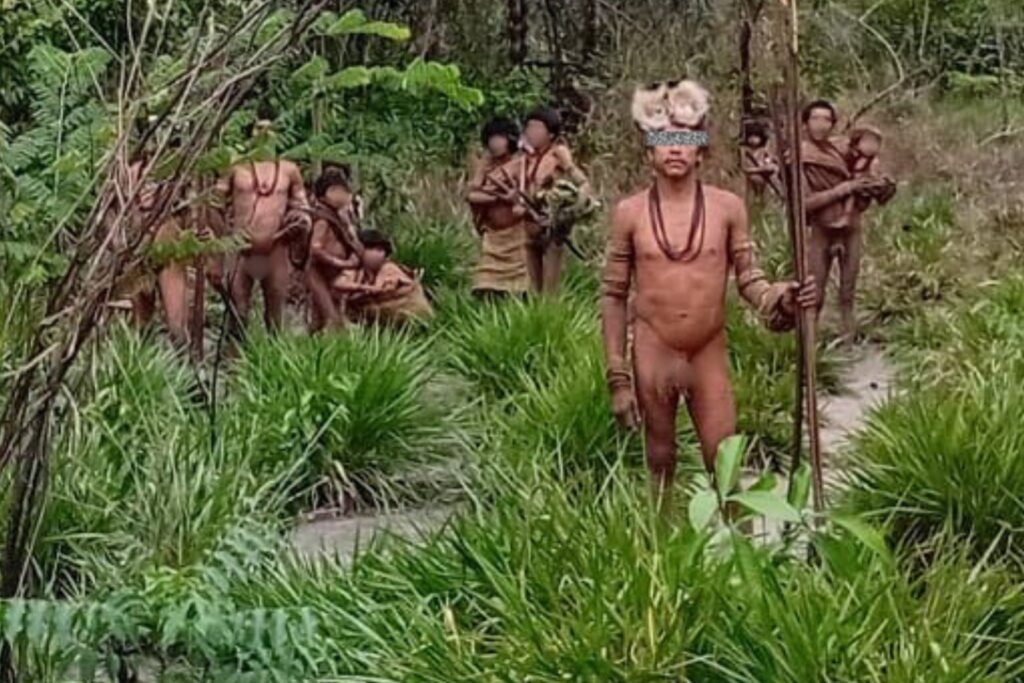
Around 20 members of Brazil's isolated Awa Indigenous people, including women and children, emerged from the Amazon rainforest and approached a government team in November 2026. The group sought food and returned with yams, according to footage released by Survival International. The encounter, described as historic by the organization, has raised concerns about threats to their survival.
Increasing illegal logging, hunting, and cattle ranching activities encroaching on their forest, which are essential for their traditional way of life, may be contributing factors. The Awa are a Tupi-Guarani Indigenous people from Maranhão, who depend on hunting and gathering. Their decision to avoid sustained contact with outsiders is a deliberate choice to protect their autonomy, health, and cultural practices.
The Guajajara Indigenous community, known as Forest Guardians, have been battling illegal activities in the Arariboia Indigenous Territory. They warned that deforestation, fires, climate change, and land encroachment are directly affecting the Awa's territory and their traditional lifestyle. Brazil's authorities maintain a policy of non-contact, seeking to protect isolated communities without establishing permanent relationships.
However, contact between isolated Indigenous communities and outsiders can pose serious health risks due to limited immunity to common infectious diseases. Colombia's Nukak-Maku provide a stark example of the consequences of forced contact and territorial displacement. Forced exposure to outsiders, territorial invasions, and displacement have profoundly disrupted their traditional way of life, leading to a devastating loss of their population.
Legal recognition of the Nukak Indigenous Reserve has not stopped invasions, and armed groups, illegal coca cultivation, and cattle ranching continue to threaten their territory. Despite challenges, the Nukak continue to seek ways to return to their homeland. Protecting Indigenous autonomy and ancestral territories is crucial for their survival and cultural practices.
Rewritten by urgent.news; may contain errors — check the original.
Source: colombiaone.com