How the War Turned Sudan Into a Country Without a Newspaper
Thirty four journalists have been killed in Sudan since the war erupted. Yet Sudanese journalists continue to take great risks to gather credible information.
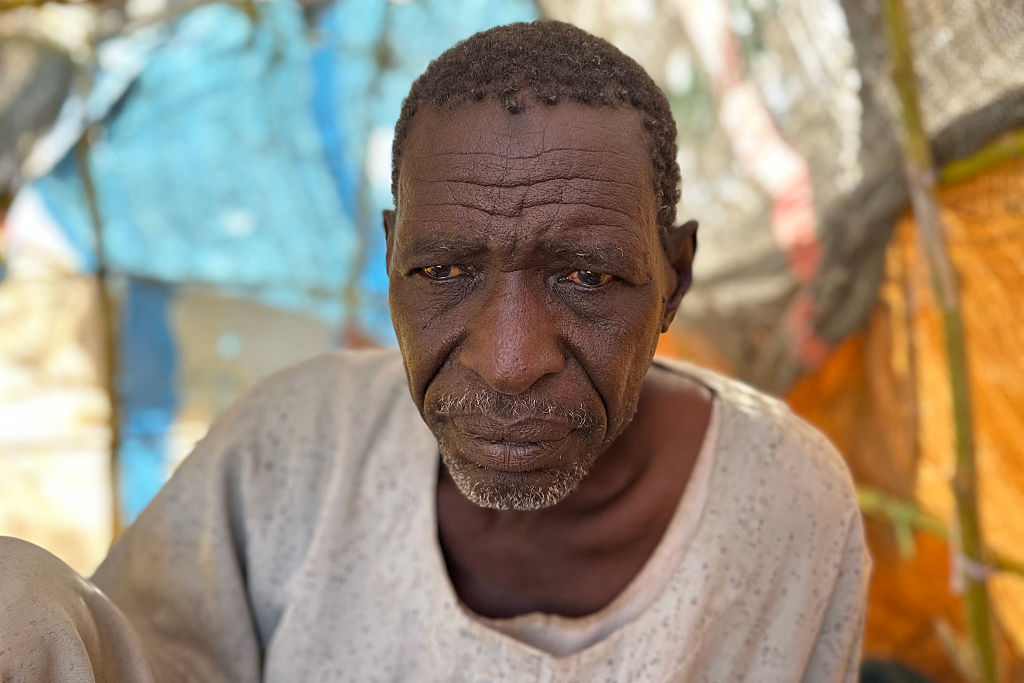
Within the ongoing conflict in Sudan, a war of narratives is unfolding, pitting the official Sudanese Armed Forces (SAF) against the Rapid Support Forces (RSF), a paramilitary group. This battle extends beyond the battlefield, as misinformation, disinformation, hate speech, and propaganda are employed by both sides. Journalists have become the primary target of this struggle, with 34 of them losing their lives in the three and a half years of war. Sixteen of these journalists were targeted specifically for their work.
Numerous newspapers, television studios, and radio stations have been looted, damaged, or destroyed, leaving Sudan without any printed newspapers for over three years. The war has resulted in over 400,000 deaths, 12 million displaced individuals, and widespread destruction, looting, hunger, and human rights abuses. The SAF controls around 60% of the country in eastern and central regions, while the RSF holds about 40%, primarily in Darfur and adjacent areas in southern and western Sudan.
Both factions tightly control the reporting within their areas of influence. In July, the Sudanese Journalists Syndicate (SJS) and the Committee to Protect Journalists (CPJ) submitted a report to the U.N. Human Rights Council, detailing the decline in press freedom and journalist intimidation during the war. Abdelmonium Abouedries, a veteran journalist and chairman of the SJS, lamented that "truth became the war's first victim."
Halima Idris Salim, a correspondent for Sudan Bukra, was killed on October 10, 2023, when an RSF vehicle ran her over in Omdurman. The SAF, as well as the RSF, have not been innocent actors. For example, in December 2024, SAF arrested Yahya Hamad Fadlallah and his son in Khartoum, accusing Fadlallah of collaborating with the RSF, torturing him, and denying him diabetic treatment. Despite being released on January 10, 2025, Fadlallah died in a hospital three days later.
Journalists have faced threats and criminal charges for their work. Rishan Oshi, a journalist with AlBalad TV, received a one-year prison sentence and a $16,553 fine for defamation after posting an article about government corruption on her Facebook page. In April 2025, the Sudanese military regained control of Khartoum, but the war escalated in the Darfur region, where RSF besieged El Fasher, enforcing starvation, blocking aid, and shelling the city with drones.
Mouammar Ibrahim, a freelance reporter for Al Jazeera Mubashir, was abducted and detained by RSF forces while attempting to leave the city, where he later died under their custody. The RSF claimed they were investigating Ibrahim for "biased" reporting, alleging he would face trial. Reporters Without Borders' Martin Roux called his detention "arbitrary" and a grave threat to his life.
Despite these challenges, Sudanese journalists have persistently reported on the war and other political and social issues, earning international recognition for their bravery. Salma Abdel Aziz, an independent journalist, received the Intergovernmental Authority on Development Media Award for reporting on the imprisonment and murder of young girls and women in Darfur for possessing mobile phones.
Zeinab Mohammed Salih, another independent journalist, was awarded the 2026 ICJF Knight International Journalism Award for reporting on the 2023 Geneina massacres and El Fasher before its fall. The war has dealt a devastating blow to Sudan's media landscape, leaving journalists as the first victims of the conflict.
Rewritten by urgent.news; may contain errors — check the original.
Source: time.com