Home prices are falling in 76 of the 300 biggest U.S. housing markets, and Austin is nearly 29% below its peak
“Austin was a classic boom-bust," ResiClub founder Lance Lambert told Fortune.
In October, 76 of the 300 largest U.S. housing markets experienced a year-over-year decline in home prices, according to ResiClub's analysis of the Zillow Home Value Index. This figure has increased from 54 markets in August and 66 in September, but remains below the 89 markets that had falling prices in March. In the nation's top 50 housing markets, 21 (42%) are currently seeing year-over-year price declines. The 30-year fixed mortgage rate averaged 7.28% on November 19, which could offset any savings homeowners gain.
The recent softening in home prices has been linked to a rise in long-term yields and mortgage rates. Zillow estimates that the monthly payment on a typical U.S. home, assuming a 20% down payment, was $2,004 in October, a 12.8% increase from the previous year. This rise is primarily due to higher mortgage rates.
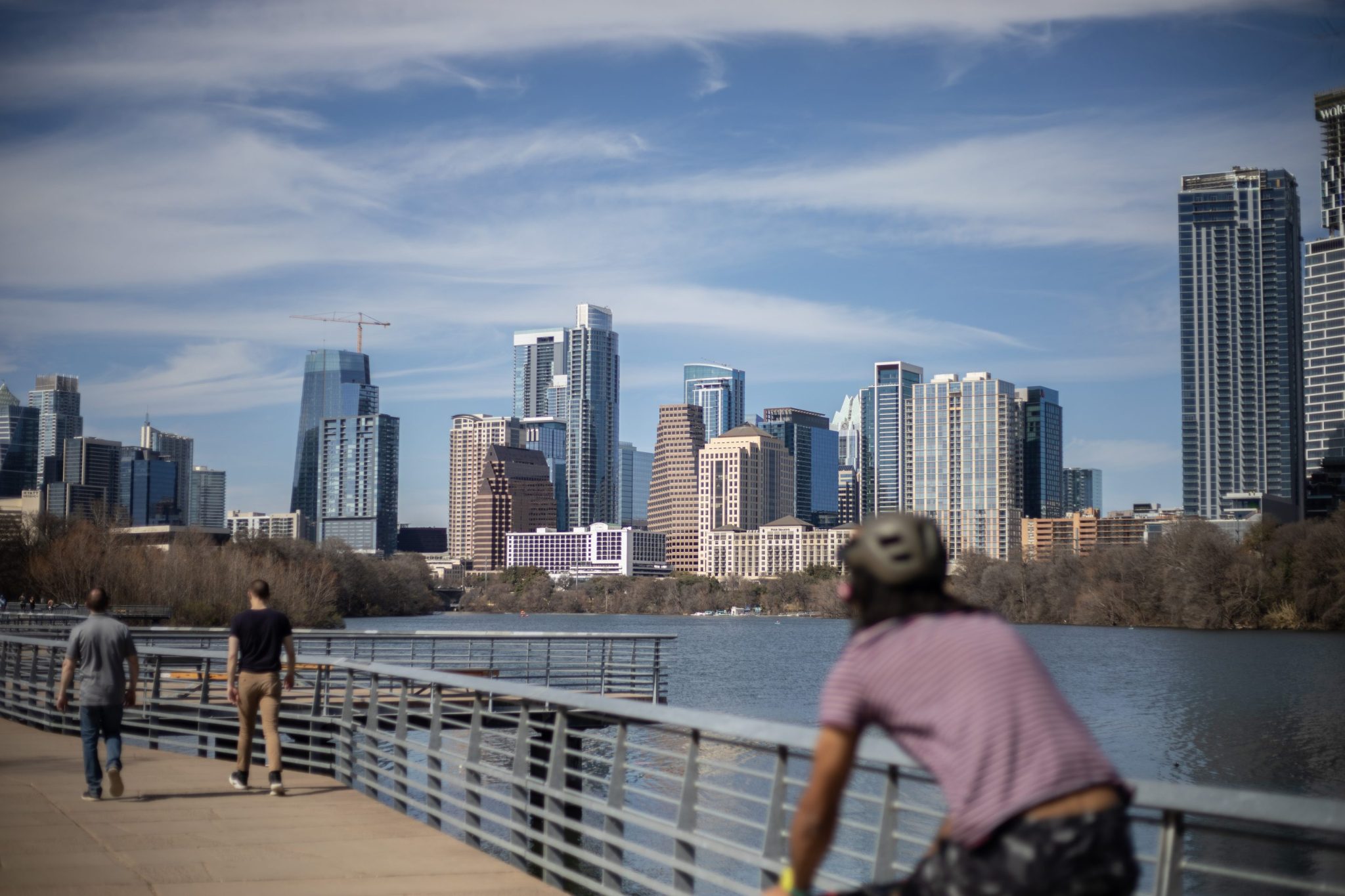
However, the correction in home prices is not uniform across all regions. Austin, Texas, for instance, is 28.8% below its 2022 peak, while Hartford, Connecticut, is 28% higher than its 2022 high. Weaker national housing demand is also contributing to the situation, with newly pending listings falling 16.8% year-over-year in October, the largest drop since August 2023.
ResiClub CEO Lance Lambert, formerly Fortune's real estate editor, noted that the factors that fueled Austin's pandemic-era housing boom - remote work migration and rising prices leading to more home-building - would also make it more vulnerable to a correction. Austin's housing market was reportedly overvalued by 61% in 2022, meaning prices were detached from local incomes.
Many markets experiencing home price drops this year are located in the South, such as London, Kentucky, and Austin, Durham, and Savannah. These cities benefited from remote workers moving to the Sun Belt during COVID, attracted by lower costs and sunny weather. However, the influx of buyers drove up home prices and spurred construction, reducing the affordability that initially made these housing markets attractive.
Austin, once a pandemic darling, is now seeing adjustments as developers overestimated how long this demand would last. Similar trends can be observed in other pandemic boomtowns. Austin's market inventory has improved, with market inventory of homes reaching 6.2 months, up from 5.8 months a year earlier, according to Unlock MLS, a real estate database used by brokers in Central Texas.
However, other major housing markets like Chicago, Milwaukee, Kansas City, and Cedar Rapids are still seeing home prices rise. ResiClub's Lance Lambert is not surprised by Chicago's resilience, citing Moody's prediction that the city's housing market was undervalued in 2022.
Rewritten by urgent.news; may contain errors — check the original.
Source: fortune.com