Heathrow expansion will fail if it comes with an extortionate price tag
Heathrow expansion is vital, but locking in the world’s highest airport costs would hurt airlines, passengers and UK competitiveness, says Miguel Gomez The debate around Heathrow Airport’s expansion is in danger of becoming polarised between those who support growth and those who oppose it. That is a false choice. The UK unequivocally needs additional airport [...]
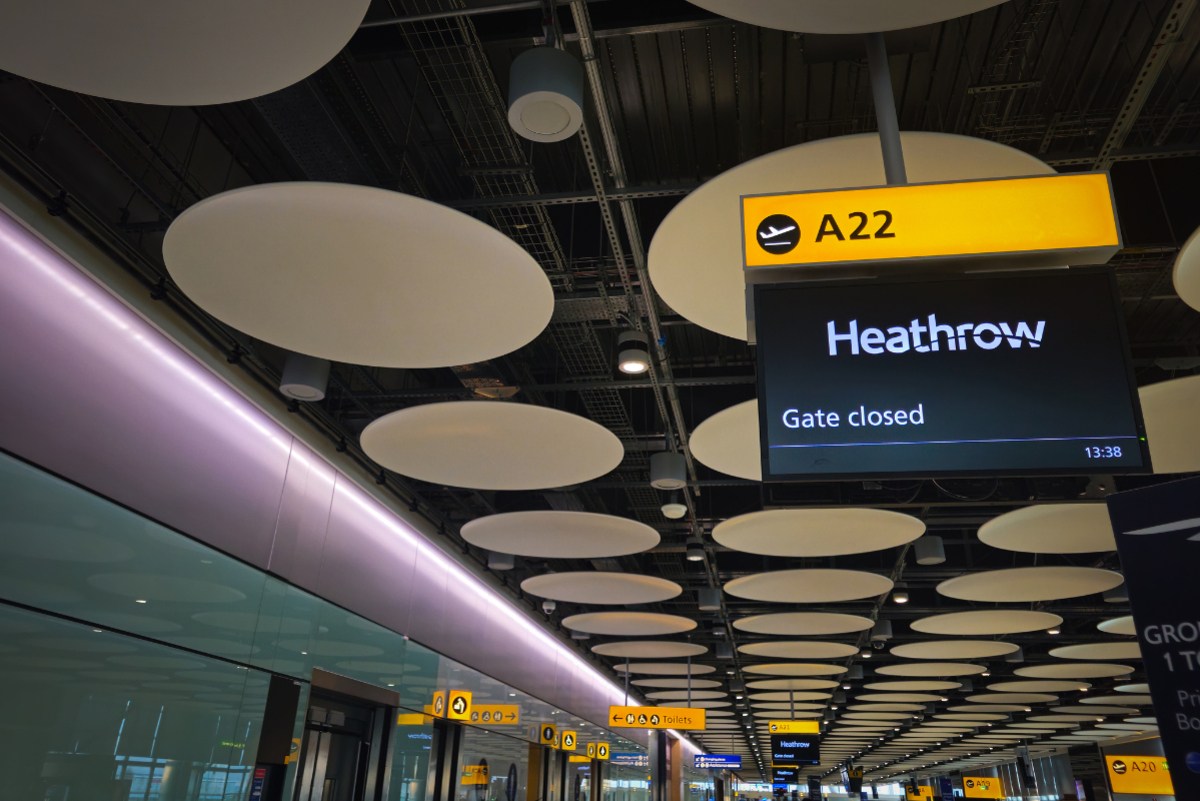
Heathrow expansion is seen as crucial, yet the project’s exorbitant price could damage airlines, travelers, and the UK’s competitiveness, warns Miguel Gomez. The conversation surrounding Heathrow’s growth versus preservation is overly simplified. The UK clearly needs extra airport capacity, and expanding Heathrow is essential for trade, global connectivity, and sustained economic growth.
All sectors – aviation, business, and government – agree on the strategic importance. However, simply accepting any expansion model at any cost is not advisable. We aim for Heathrow to become a leading international hub, but this requires getting the delivery model right. With extensive experience in global aviation, we recognize what effective, competitive airport infrastructure looks like, and we also know the consequences when incentives enable costs to rise without commensurate performance gains.
Currently, Heathrow is the most expensive major airport in the world, not due to geography or necessity, but because of a regulatory and investment framework that has failed to consistently align costs with delivery and performance. While Heathrow has made strides in certain areas, the framework still needs to guarantee better value for airlines and passengers.
If expansion is executed improperly with an unreasonably high price, it could embed this cost disadvantage into the UK economy for decades. The debate must also be honest about the purpose of investment. It's not just about day-to-day operating costs; it's about whether capital spend reliably delivers productivity, resilience, and an enhanced passenger experience.
Investments in areas such as baggage handling, stand and turnaround management, digital tools, and operational resilience should come with clear outcomes, timelines, and benefits, so airlines and passengers can see the improvement alongside the expense. With costs projected to surpass £49 billion – substantially higher than comparable international projects – the critical question remains: who ultimately bears this financial burden?
Airlines, passengers, and businesses do, through increased airport charges that are passed on to fares, cargo rates, and supply chains. Airport charges directly influence airline decisions on aircraft basing, growth allocation, and which routes can be commercially sustained. Over time, they determine whether a hub attracts traffic and investment or gradually loses them.
While cost is a significant factor in a competitive global aviation market, the stakes extend far beyond a single infrastructure project. This is about the UK’s role in the world economy. The aim should be mutual: a larger Heathrow that is also more efficient, resilient, and offers better value. Expansion must occur, but it must be executed differently.
A reformulated approach is necessary, one that prioritizes cost discipline, transparency, and genuine competitive tension in how infrastructure is financed, built, and operated. This means stronger incentives for measurable efficiency and service improvements, clearer governance over scope changes, and transparency linking spending to outcomes.
Efficiency should be rewarded, not taken for granted. Value should be demonstrated, not merely promised. This is not about curbing ambition; it's about ensuring ambition translates into sustainable economic benefit. Without reform, there is a real risk that expansion will achieve the opposite of its intended purpose: reinforcing Heathrow’s status as a high-cost outlier and diminishing the UK’s appeal as a global hub.
The Civil Aviation Authority and the government have acknowledged the need for regulatory reform, and the decision now rests with them. They can choose a regulatory model that risks locking in the highest airport costs for generations without delivering the promised efficiency, resilience, and service improvements. Or they can reset the framework to ensure expansion is executed with real cost control, productivity gains, and long-term competitiveness.
Supporting expansion and demanding reform are not mutually exclusive; they are intertwined. The UK needs Heathrow to grow, but this growth must benefit the wider economy – businesses, consumers, and the country’s global standing. Balancing these factors is not just desirable; it is imperative. Miguel Gomez serves as EVP Europe at Menzies Aviation.
Rewritten by urgent.news; may contain errors — check the original.
Source: cityam.com