Has vibe coding made open source the new normal for synths?
The emergence of powerful vibe-coding agents and tools like Reverse Engineer Anything has caused chaos in the music gear world, leaving companies scrambling to figure out how to respond. While some, like Roland, have remained silent for now, others have embraced the modding community. In the last several weeks, as it's become clear that no […]
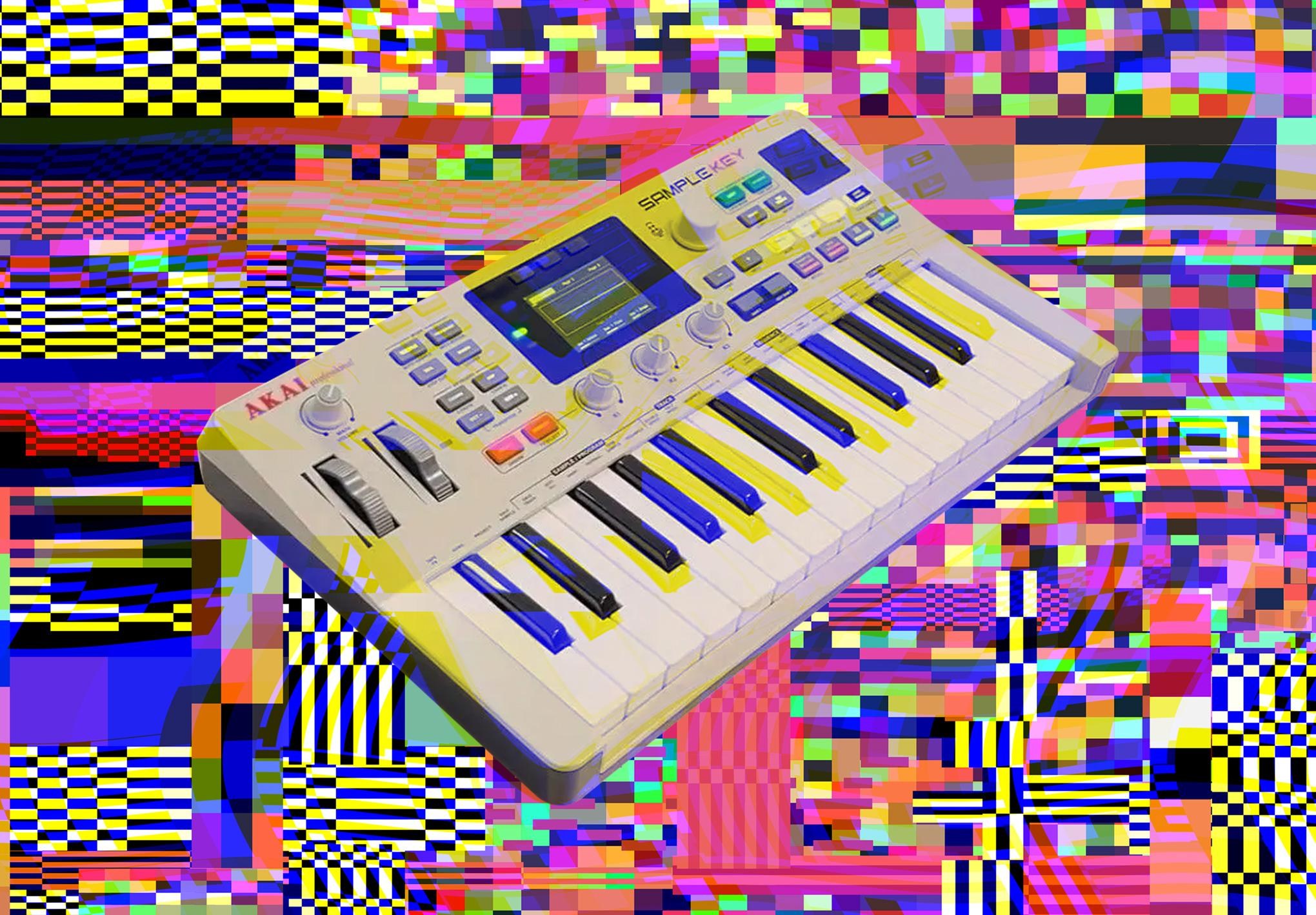
The rise of powerful vibe coding agents and tools like Reverse Engineer Anything has caused a stir in the music gear world, with companies scrambling to respond. While some, such as Roland, have remained silent, others have embraced the modding community. InMusic, the parent company of Akai, Moog, Native Instruments, and more, has decided to provide a toolbox to the community, offering the inner workings of devices like the MPC or Sample for users to experiment with.
InMusic CEO Jack O'Donnell revealed that the company will "try to give them a reset button" so "they can experiment with it, and then not lose what they have."
Behringer has also joined the open-source movement, announcing a slew of devices, including a clone of the MPC One and the E-mu SP-1200. The FM-1, a $70 pocketable clone of the Yamaha DX7, sparked the movement due to its affordability, authentic tones, and hackability. Over a dozen custom firmwares exist for the FM-1, and a successor, the FM-2, is in development and will be open source as well.
Erica Synths recently released the source code for its LXR-02 drum machine, though founder Ģirts Ozoliņš doesn't fully embrace vibe coding. He questions the fundamental problem that vibe coding solves, but acknowledges the sustainability aspect of making music tech less disposable. Polyend has also embraced the community, open-sourcing its lineup of Tracker grooveboxes, which includes the Endless guitar pedal.
Elektron, however, is less enthusiastic about vibe coding, banning custom firmware links from its official forums due to potential brickages, future updates, warranty coverage issues. CEO Christian Alsing defends the company, stating that users have a right to modify their devices, but pushes back on the accusation of withholding features. Major music manufacturers, like Roland, Korg, Arturia, and Novation, have yet to comment on the surge of AI-aided custom firmwares.
Rewritten by urgent.news; may contain errors — check the original.
Source: theverge.com