Hannah Fry: The bizarre reason humans are so vulnerable to choking
The human throat is organised in a ridiculous and illogical manner, writes columnist Hannah Fry. What can it tell us about the path of evolution?
Hannah Fry, a well-known nerd, encountered a bizarre conversation at a kid's birthday party. She spoke to a dad who was an ear, nose, and throat consultant. He mimed his surgical procedures, which involved slashing motions, reminiscent of a horror movie scene. The most bizarre part of their conversation was his explanation about the human throat's design, which Fry found illogical and ridiculous.
Fry began to ponder the human body's design, noticing that it is essentially one giant tube. She explained that early animal life favored a flat design, with digestion occurring on one side. However, the one-way tube proved to be the most successful, allowing creatures to process their meals while eating. This design evolved, with sensory organs clustered around the mouth, leading to the development of a brain to interpret the information.
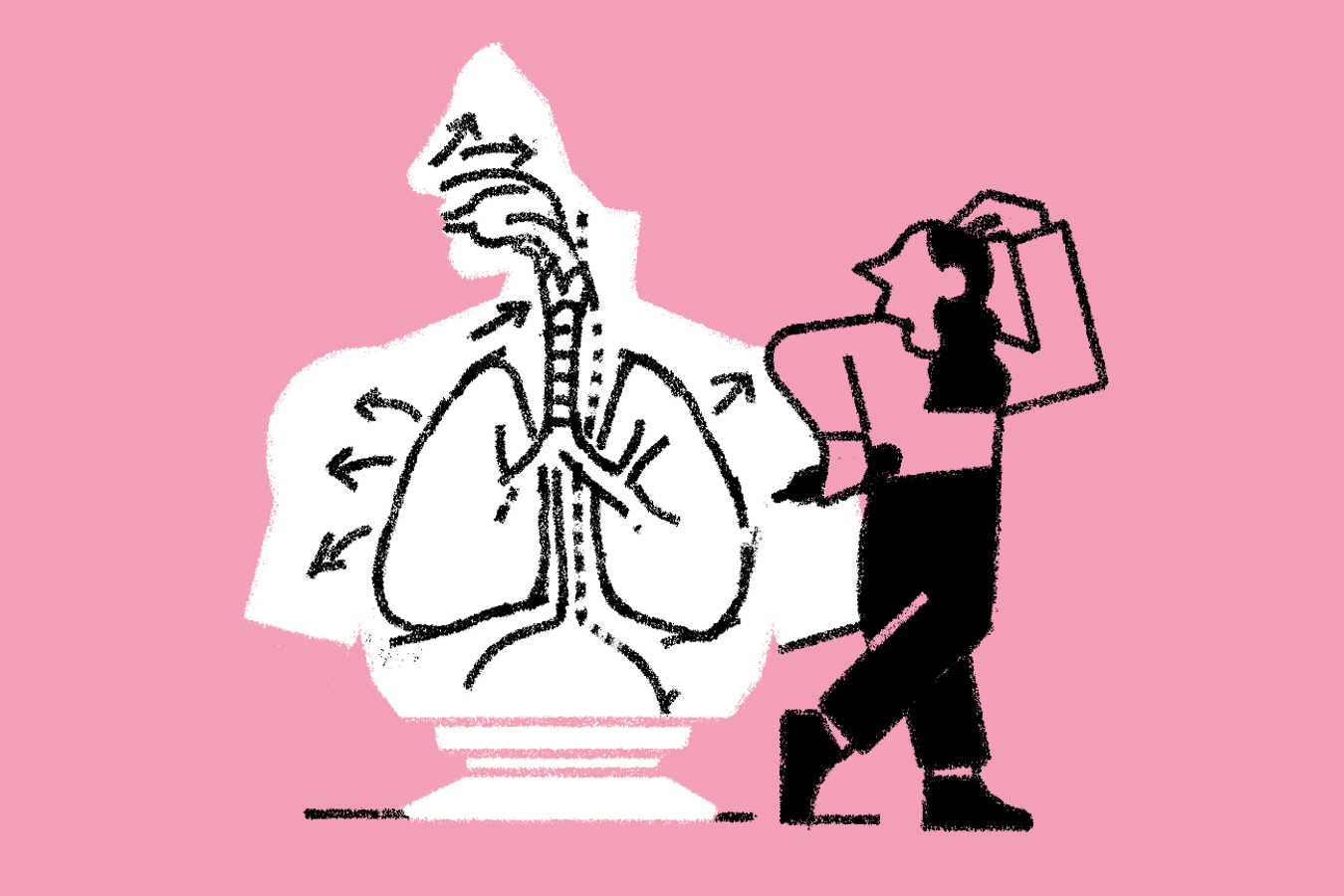
Fry then visualized a human standing up, tilted back, without limbs. Ears, eyes, nose, and brain would form a cluster on the north side of the digestive tube. Lungs should ideally be near the nose, tucked close to the spine, creating separate tubes for air and food. However, lungs ended up on the belly side of the body, causing a topological monstrosity where air from the nose must cross the path of food to reach the lungs, and vice versa for the stomach.
The origin of this flawed design lies in a fish that evolved about 420 million years ago. As this fish gulped air at the surface, a pouch on the belly side of its gut began to absorb oxygen more efficiently, eventually becoming a lung. This fish became the ancestor of all mammals, birds, amphibians, and reptiles on Earth. Evolution favored being as lazy as possible without dying, and the lungs remained in the same position.
Rewritten by urgent.news; may contain errors — check the original.
Source: newscientist.com