From server investigations to new US chip rules: How Singapore got here
SINGAPORE: Singapore and the United States have agreed to find ways for local businesses to keep using advanced American technology after the US tightened its AI chip rules. Singapore is one of the five countries that need new licenses, which the US says are meant to limit China’s access to advanced chips and their computing power. These talks follow nearly two years of careful review of who buys…
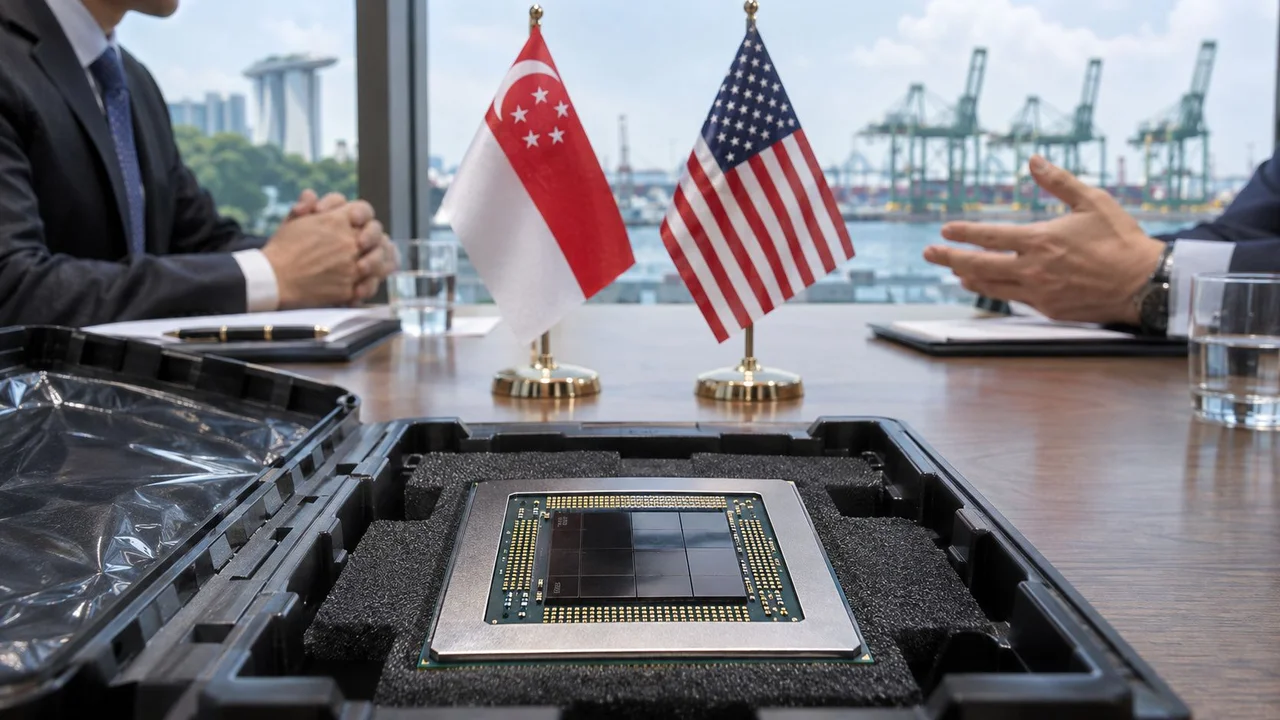
Singapore and the United States have reached an agreement to find ways for local businesses to continue using advanced American technology, following the US tightening of its AI chip rules. Singapore is among five countries that now require new licenses, aimed at limiting China's access to advanced chips and computing power. These talks come after nearly two years of in-depth review by Singapore authorities regarding who buys and uses advanced computing equipment in the country.
In February 2025, Singapore police and customs conducted an investigation, searching 22 locations and arresting nine individuals. Three men were later charged with fraud following claims that suppliers were misled about the eventual users of the servers they sold. This investigation, initiated by Singapore itself, was followed by joint checks between US and Singapore officials in May and November 2026.
The US announced new rules on November 16, 2026, affecting advanced chip shipments involving Singapore, Malaysia, Indonesia, Thailand, and Brazil. Singapore's Minister for Digital Development and Information, Josephine Teo, discussed these arrangements with a US Commerce official on November 17. Both countries agreed to work towards maintaining access to advanced US technology for legitimate users in Singapore.
Singapore could improve its stance by verifying ownership details before shipping advanced chips, especially when dealing with high-risk orders. Authorities could use records of company ownership and control to examine larger-than-normal server orders more thoroughly. This approach could help prevent the use of shell companies to conceal the true buyers. Additionally, ensuring that end-users confirm ownership and usage details would further strengthen Singapore's ability to monitor and control advanced chip transactions.
Rewritten by urgent.news; may contain errors — check the original.
Source: theindependent.sg