Foreigners Who Helped Shape Colombia’s Intellectual and Social History
Colombia’s economic institutions, historical scholarship and cultural debates have benefited from the work of people who arrived from other countries and built lasting careers in the country. Some became Colombian citizens; others spent decades teaching, researching, writing and establishing institutions. Their contributions range from economic planning and anthropology to communication theory…
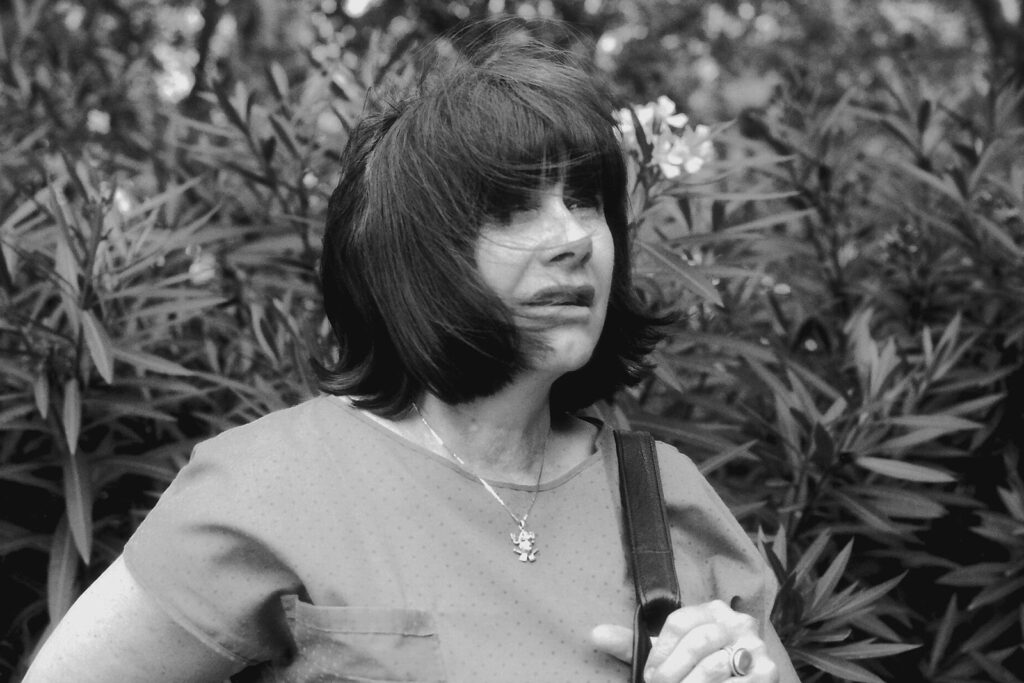
Foreigners have significantly influenced Colombia's intellectual and social history through their contributions to various fields. Argentine-born art critic Marta Traba played a crucial role in shaping the country's art criticism and was later naturalized as a Colombian citizen before her death in a plane crash.
Economists like Lauchlin Currie, who arrived in Colombia in 1949, made substantial impacts. Currie, originally from Canada, led the first World Bank mission to Colombia and helped establish the National Planning Department in 1959. His recommendations on economic planning and public investment led to the creation of the Four Strategies development plan and the UPAC housing finance system.
Salomon Kalmanovitz, born in Barranquilla to Jewish immigrants from Eastern Europe, became a prominent economic historian. He studied agrarian structures, capitalism development, inequality, and economic institutions, teaching at the National University of Colombia and serving as co-director of Banco de la Republica from 1993 to 2005.
Historians and anthropologists such as Juan Friede and Gerardo Reichel-Dolmatoff transformed Colombian research. Friede, born in Ukraine and arriving in Colombia in 1926, challenged traditional historical interpretations by focusing on Indigenous communities and colonial power relations. Reichel-Dolmatoff, born in Salzburg and naturalized in 1942, dedicated decades to studying Indigenous societies and archaeological heritage across Colombia's diverse regions.
He founded the Ethnological Institute of Magdalena in 1945 and established the first anthropology department at the University of the Andes in 1964. French ethnologist Paul Rivet, who arrived in Colombia in 1941, also contributed to the establishment of professional anthropology in the country.
Rewritten by urgent.news; may contain errors — check the original.
Source: colombiaone.com