Finally, water gets the standing it deserves
46 years. That’s how long the world had to wait between the first UN water conference, in the Argentine city of Mar del Plata in 1977, and the second, in New York in 2023. The gap between the second and third conferences will be considerably narrower, at three years, with Abu Dhabi hosting the convening early next month. The subsequent edition is slated to be held in Dushanbe, Tajikistan – just…
It has taken 46 years for the world to convene two United Nations water conferences, first in Argentina in 1977 and more recently in New York in 2023. However, the interval between the second and third gatherings will be considerably shorter, with the next event set to take place in Abu Dhabi early next month, followed by Dushanbe, Tajikistan, just two years later.
The lack of a fixed timetable underscores the minimal priority traditionally accorded to the sustainable management of water, despite it being one of Earth's most vital and limited resources. This is poised to change after the UN General Assembly unanimously agreed to convene the conference every three years, beginning in 2031. Sponsored jointly by the UAE and Senegal, the resolution may appear routine, but it is likely to be one of the most significant decisions on water in a generation.
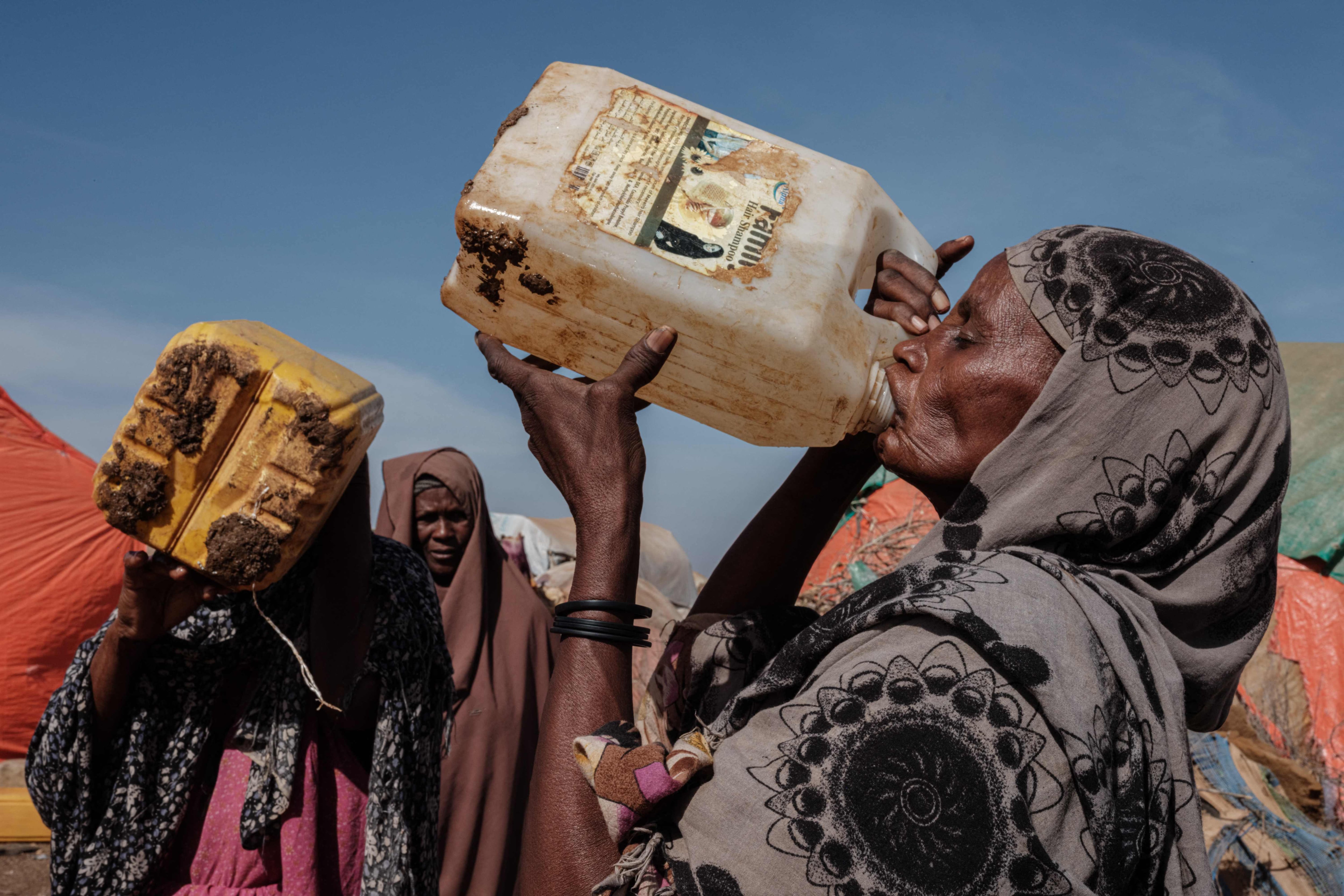
Its adoption was not without difficulty - months of negotiations underscored the contentious nature of water politics. The forthcoming water conference cannot come soon enough. Around 2.1 billion people globally, or a quarter of the world's population, still do not have access to safely managed drinking water. A UN report published in January states that we have entered the era of "global water bankruptcy".
Increasing pressures, including climate change, population growth, pollution and competing demands, threaten water security across continents. Moreover, water scarcity, typically considered an environmental issue, has evolved into a developmental, economic, humanitarian and geopolitical challenge. The advantages of holding regular conferences are numerous.
A three-year cycle would help maintain the crucial political momentum. Too often, water issues garner international attention during a crisis only to fade away amidst other equally urgent priorities. A consistent conference schedule would keep water firmly on the global agenda, but it also emphasizes the necessity for long-term national strategies.
It is high time that water be acknowledged as a cross-sector priority. This would enhance accountability. Governments have pledged under the UN Sustainable Development Goal 6 to provide universal access to safe and affordable water, along with equitable sanitation and hygiene, by 2030. However, commitments have little worth if they are not measured against results.
Regular meetings would offer opportunities for stakeholders to evaluate progress, pinpoint shortcomings, exchange lessons, and recommit. The resolution also holds financial significance. Water infrastructure necessitates substantial capital and long-term investments, and recurring summits would enable governments, development banks, and private investors to plan projects and mobilize capital on reliable timelines.
The timing is equally crucial. With the 2030 deadline for the Sustainable Development Goals approaching, the international community must begin planning for what follows. Following the Abu Dhabi and Dushanbe conferences, a three-year framework could ensure uninterrupted global water governance beyond the current development agenda.
It is high time that water be recognized as a cross-sector priority, given its centrality to numerous issues, ranging from food security and public health to economic resilience and climate adaptation. As former Bhutanese prime minister Jigmi Thinley wrote in these pages, "whether through prolonged drought, devastating floods, or increasingly unpredictable rainfall, its effects reach directly into people's lives, threatening food production, livelihoods, public health, and economic security."
All of this necessitates creating a framework for international cooperation on one of humanity's most fundamental needs. However, as the outcome of COP31 demonstrated this week, regular conferences will not resolve the world's most pressing problems unless participating member states can reach consensus, a challenge that includes a basic and essential human right - access to water.
Abu Dhabi once again offers a platform to find common ground on this pressing global challenge and commit to the hard work required to reach an agreement.
Rewritten by urgent.news; may contain errors — check the original.
Source: thenationalnews.com