Fed Bej Kitap: Girdi maliyetleri satış fiyatlarından daha hızlı arttı
Fed'in Bej Kitap raporuna göre, işletmelerin girdi maliyetleri satış fiyatlarından daha hızlı arttı. Ekonomik faaliyetler 12 bölgenin sekizinde hafif ila ılımlı düzeyde büyürken dört bölgede değişiklik görülmedi. Yüksek temel ihtiyaç maliyetleri ise hane bütçelerini zorlamayı sürdürdü.
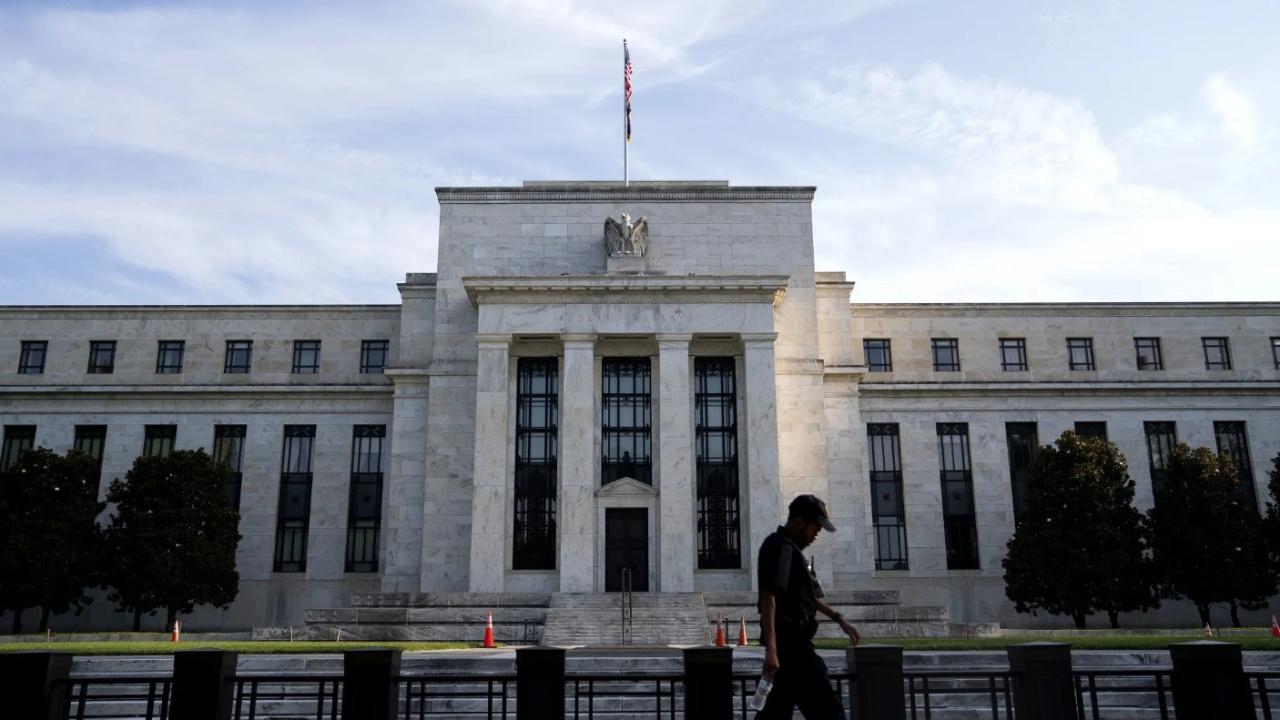
The Federal Reserve (Fed) published the November Beige Book report on Wednesday, detailing conditions in the American economy. According to the report, economic activity was growing slightly in seven of the Fed's 12 regions, while four other regions showed no change. Prices were modestly rising, but businesses' input costs were outpacing the rise in selling prices.
Most regions anticipate a slight to mild increase in economic activity in the coming period. The report indicates that while businesses are showing restraint in discretionary spending to protect against price sensitivity, consumer spending has largely remained unchanged. Tourism and travel activities continued their strong trend, while retail sales declined.
The report attributes this decline to high fuel and interest rates. Input costs were rising faster than selling prices in various sectors, including energy, transportation, healthcare, insurance, and customs duties. Material and metal, nonmetal, and specialized imports also boosted businesses' costs. Despite overall price hikes, some cost pressures persisted.
The report noted that while employment levels remained stable, hiring was primarily to replace workers who left for other jobs. Industrial and technical positions faced a shortage of candidates. Residential construction activity weakened due to obstacles in home buying, driven by limited demand, ongoing capacity constraints, and rising construction costs.
Manufacturing activity also grew mainly due to strong demand for export and housing-related products. The report highlighted that logistics activities grew unevenly due to irregular demand, existing plant and infrastructure limitations, and rising cost pressures. Imported raw materials increased, while harbor volumes slightly declined due to adverse weather conditions.
Basic necessity costs strain household budgets, further straining corporate capacity and dampening social spending.
Rewritten by urgent.news; may contain errors — check the original.
Source: bloomberght.com