El Niño Is Strengthening. Here’s Where Its Effects Are Already Showing Up
Warming in the Pacific is easing weather risks in some places but making them worse in others. Here’s what to look for now and in the weeks ahead.
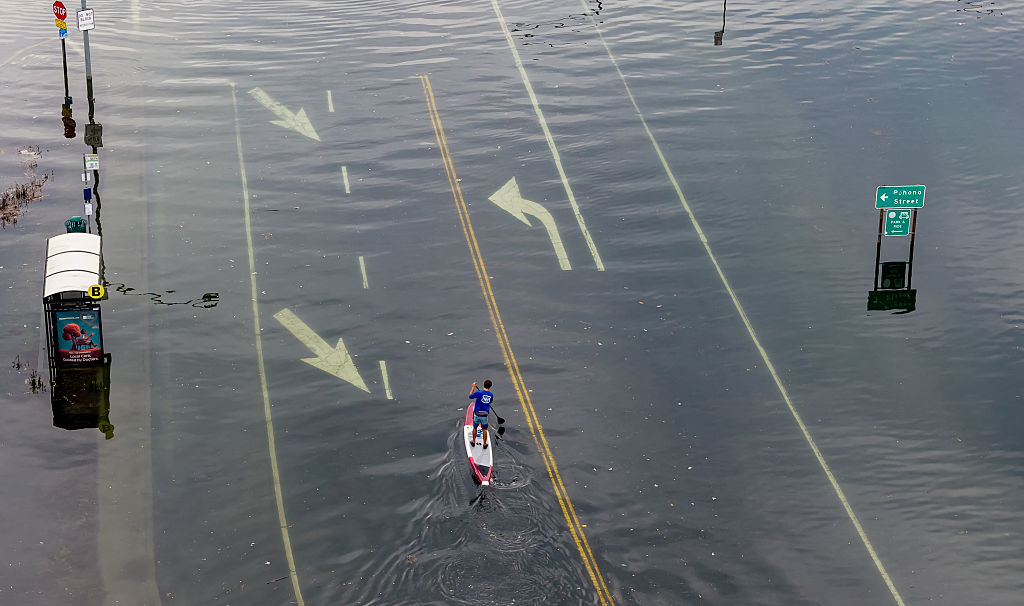
El Niño, a warm phase of the El Niño-Southern Oscillation (ENSO) cycle, is becoming increasingly powerful, with a 60% likelihood of surpassing previous El Niño events since 1950, according to the National Weather Service. This phenomenon, characterized by unusually warm surface waters in the eastern and central tropical Pacific, has already begun to impact global weather patterns.
In the United States, El Niño is bringing above-average temperatures and atmospheric anomalies to parts of the eastern Pacific Ocean. The event has already triggered heavy rain, coastal flooding, and mountain snow along both coasts, heightening flood risks in California and Florida during Thanksgiving week.
El Niño's effects vary by region. In the northern parts of the country, it often brings warmer, drier winters, while the southern regions typically experience wetter winters and ice storms in the southern Plains. The phenomenon is influenced by pressure systems and temperature changes in ocean waters, leading to varying weather impacts depending on the specific location.
Near Ecuador's Galápagos Islands, sea surface temperatures have reached an anomaly of +10 degrees Celsius, indicating a significant warming. This "Mega El Niño" has led to near-record to record coastal water levels and flooding in California, with San Francisco setting a November tide record and the National Weather Service warning of 20- to 25-foot waves that could potentially break onto highways. In Central California, Santa Cruz temporarily closed its beaches and issued evacuation warnings for roughly 200 coastal homes.
Meanwhile, the strengthening El Niño is expected to bring a wetter-than-average winter to parts of the southern United States, particularly the Southeast, which has been experiencing drought. NOAA predicts a 50% or greater chance of above-normal precipitation during winter in much of the region. While this could provide drought relief, it also increases the risk of flooding over the winter, especially in low-lying areas. Residents in these regions should take flood warnings seriously.
Rewritten by urgent.news; may contain errors — check the original.
Source: time.com