Ebola tied to rising violence against women and girls in Congo, UNICEF says
The epidemic has killed more than 5,800 people since May.
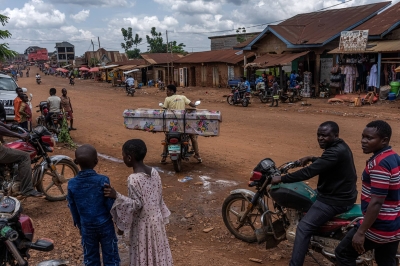
Dr. Douglas Noble, UNICEF's Global Lead for Public Health Emergencies and Global Incident Manager for Ebola, addressed a press briefing at the Palais des Nations in Geneva. He discussed the impact of the Ebola outbreak in eastern DRC and the additional challenges faced by women and girls. Noble visited Beni, Butembo, and Bunia, highlighting the need to address violence against women and girls during the outbreak.
Preliminary findings from a real-time surveillance report, conducted in collaboration with SOFEPADI and Washington University in St. Louis, revealed that nearly 60% of women and adolescent girls surveyed experienced increased violence or abuse since the outbreak began. The report, which interviewed 1,062 women and adolescent girls across five health zones, also found that 70% of respondents lived in households that went through isolation, quarantine, or contact tracing, with nearly two-thirds experiencing new or increased violence.
Noble emphasized that while isolation, quarantine, and contact tracing are essential in stopping Ebola, the findings reveal that families are under immense pressure due to the outbreak, with women and girls bearing the brunt of the cost. UNICEF and partners have supported over 3,300 survivors of gender-based violence in Ituri and North Kivu since June, but a 76% funding gap remains.
Noble called for continued funding and support for women and girls' services and urged the integration of such surveillance in future outbreak responses.
Rewritten by urgent.news; may contain errors — check the original.
Sources: allafrica.com · abc.net.au · japantimes.co.jp
This story
This is one outlet's version. Read the fullest account.