Draining peatlands leaves a long legacy of warming
A new study finds the long-term decomposition of drained bogs, fens, and swamps is responsible for about 3 percent of human-caused climate warming.
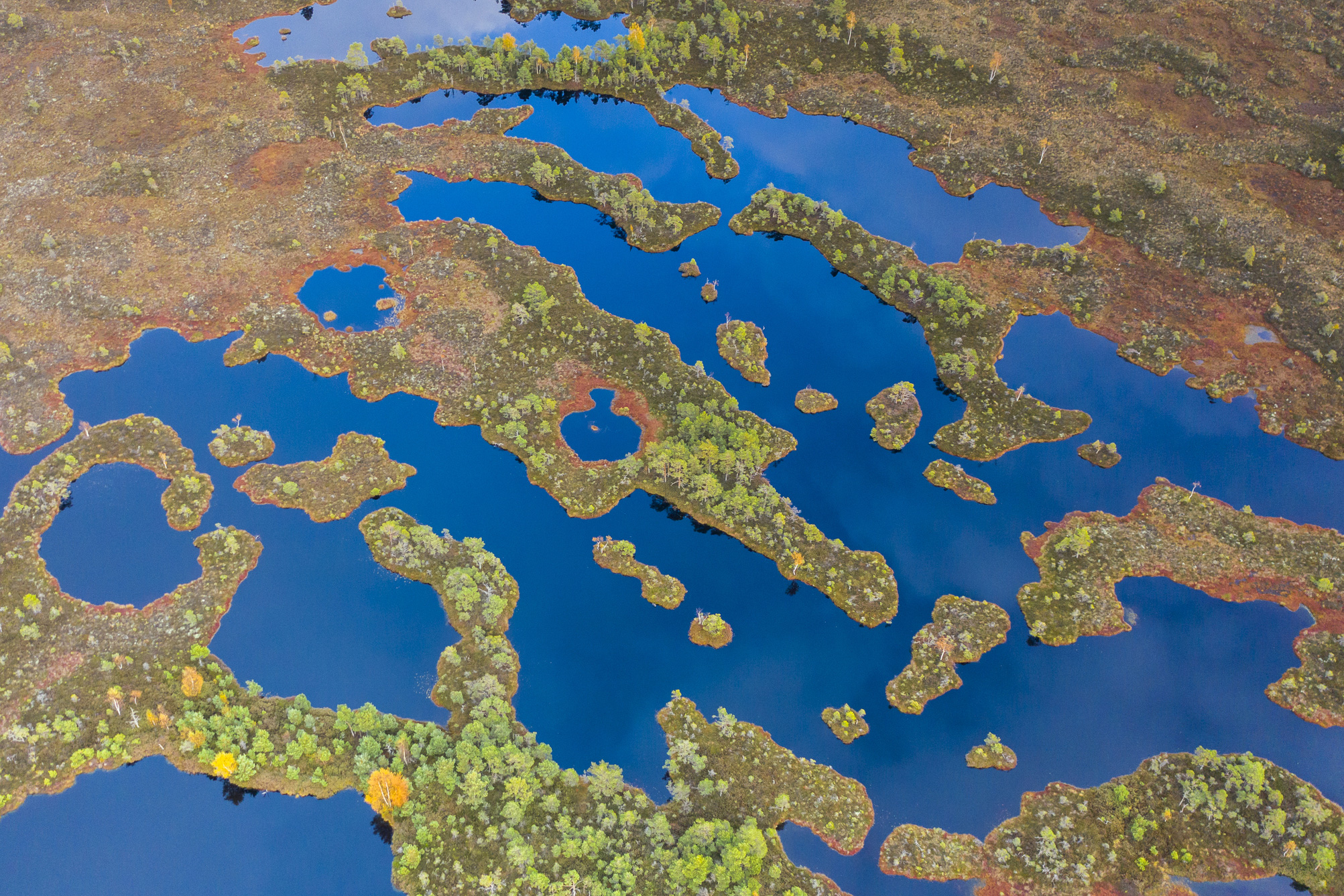
Peatlands, such as bogs and swamps, are crucial ecosystems that remove vast amounts of carbon dioxide from the atmosphere through their vegetation, while their soil microbes produce methane. Overall, peatlands have a net cooling effect on the planet, removing hundreds of gigatons of carbon dioxide globally over thousands of years.
However, when peatlands are drained for agriculture, forestry, or other developments, this balancing act is disrupted. The MIT researchers have now estimated that peatland drainage accounts for 2.7 percent of present-day human-caused warming. This warming is primarily caused by the release of carbon dioxide from drained peatlands, which can persist for centuries.
To reach this conclusion, the researchers analyzed worldwide drainage data and developed models to understand how greenhouse gas emissions change due to drainage. The study emphasizes the urgent need for peatland restoration to counteract the warming effects of land drainage. Drainage of just 0.5 percent of the world's land surface — roughly 15 percent of all peatland area — contributes to about 2.7 percent of human-induced warming since the Industrial Revolution.
Even if peatlands are not drained further, maintaining drained peatlands could almost double the cumulative warming caused by peatlands by 2100. The researchers suggest that raising the water table in drained peatlands could help mitigate some of the warming effects, although it would not erase the warming that has already occurred.
Rewritten by urgent.news; may contain errors — check the original.
Source: news.mit.edu