DOST opens 2026 science week, highlights innovation for national development
GENERAL SANTOS CITY, Philippines — The Department of Science and Technology (DOST) opened the 2026 National Science, Technology, and Innovation Week (NSTW) in General Santos City on Wednesday, highlighting the role of science and digital innovation in addressing food security, sustainable energy and national resilience. In a video message played during the opening ceremony, President Ferdinand…
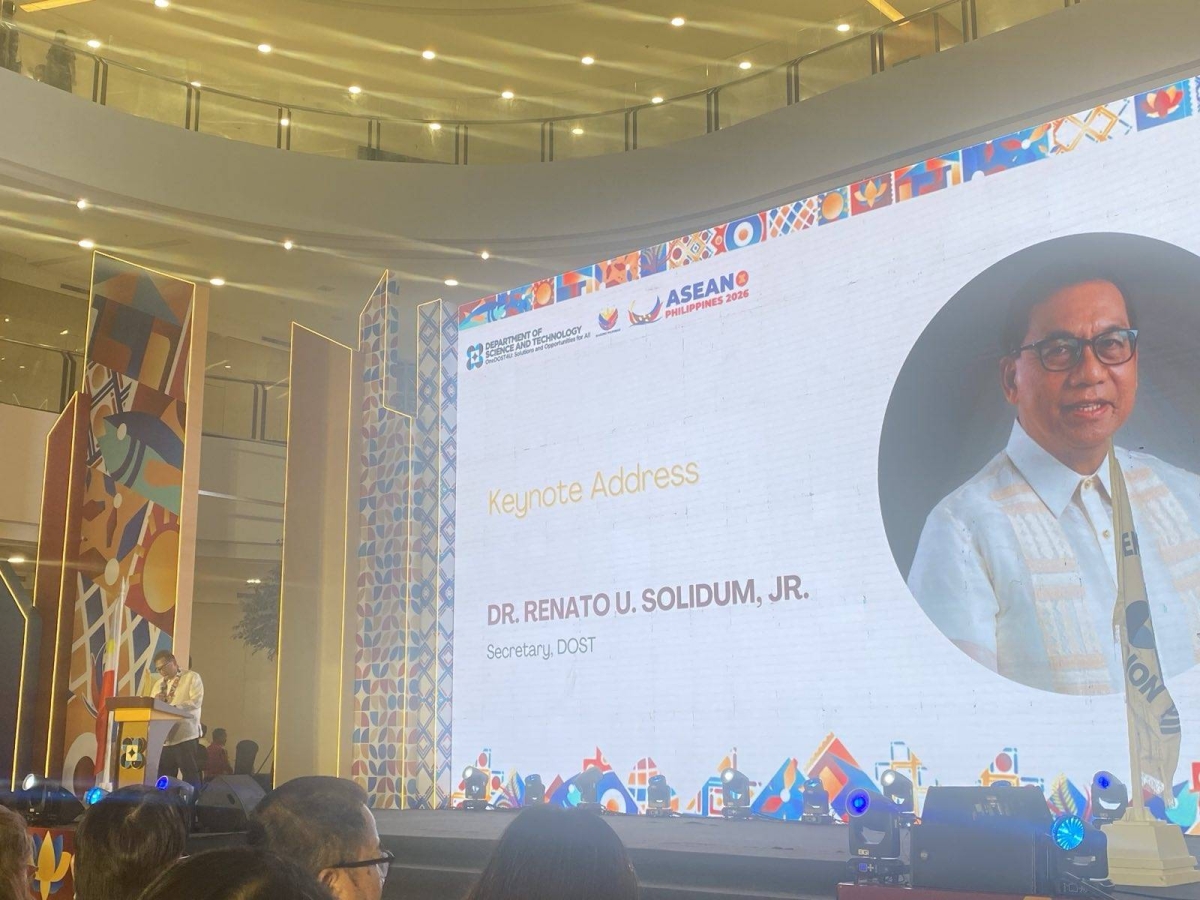
General Santos City, Philippines — The Department of Science and Technology (DOST) inaugurated the 2026 National Science, Technology, and Innovation Week (NSTW) in General Santos City on Wednesday, emphasizing the significance of science and technological advancements in tackling food security, sustainable energy, and national resilience.
In a video message, President Ferdinand Marcos Jr. reiterated the government's commitment to investing in science, technology, and innovation as crucial elements of national progress. "For this reason, we continue to invest in science, technology, and innovation as vital instruments of national development," Marcos affirmed.
The President highlighted that the aspirations behind these investments are to cultivate a more capable and productive populace, bolster industries' competitiveness, and enhance communities' access to dependable energy while bolstering resilience against natural disasters. He credited Filipino scientists, researchers, and innovators for turning these aspirations into reality.
Sen. Bam Aquino echoed the DOST's efforts to expand science, technology, and innovation. "We believe that science, technology, and innovation are crucial in creating new opportunities and enhancing the lives of every Filipino," Aquino stated. "We stand with you in advancing innovative solutions and supporting our Filipino scientists, researchers, and innovators," he added.
DOST Secretary Renato Solidum Jr. delivered the keynote address at Gaisano Mall. Solidum emphasized that the essence of scientific progress is its tangible impact on people's daily lives. "At the Department of Science and Technology (DOST), this is our commitment: to make science not only understood but experienced; not only developed but delivered; and not only advanced but felt by the communities we serve," he proclaimed.
This year's NSTW, themed "Science, Technology, and Digital Innovation: Driving Food Security, Sustainable Energy, and National Resilience," underscores the department's initiatives in climate-smart agriculture, renewable energy, water security, and disaster preparedness. Solidum drew attention to the 7.8 magnitude earthquake that struck offshore Sarangani on June 8, underscoring the importance of science and technology in preparing communities for natural hazards.
"This experience reminds us that while we cannot prevent natural hazards, we can mitigate their impacts through preparedness, sound planning, and the proper application of science and technology," Solidum asserted.
Marcos called on attendees to foster new discoveries and forge partnerships that would disseminate innovation to more Filipinos. "Let us continue to nurture Filipino ingenuity, enhance our research capacities, and convert promising discoveries into practical solutions that serve our national interests," he urged. The NSTW will continue through November 29, featuring exhibits and technology showcases highlighting innovations and solutions aimed at addressing food security, sustainable energy, and disaster resilience.
Rewritten by urgent.news; may contain errors — check the original.
Source: manilatimes.net