Crew Works Biomedical Research Day Before Thanksgiving Space Delivery
Advanced biomedical research with ultrasound scans and blood pressure checks topped the research schedule aboard the International Space Station on Wednesday. Expedition 75 is also preparing for a cargo mission arriving on Thanksgiving Day and another scheduled for delivery early next week.
With just a day remaining before the Thanksgiving space delivery, NASA's International Space Station crew dedicated their efforts to biomedical research on March 16, 2026. Expedition 75 focused on using ultrasound scans and blood pressure checks to monitor the astronauts' internal organs and overall health. Jessica Watkins and Luke Delaney, NASA flight engineers, utilized the EchoFinder-2 ultrasound device, which employs augmented reality and advanced algorithms, to assist in organ detection, potentially reducing the dependence on ground-based medical teams for monitoring crew health.
In parallel, Anil Menon of NASA and Joshua Kutyrk of the Canadian Space Agency worked together on replacing life support hardware in the Tranquility module, which recycles moisture from the air, condenses it into water, and processes it for recycling. Kutyrk also prepared two CubeSats designed by college students to be deployed into Earth orbit for Earth photography and space weather monitoring.
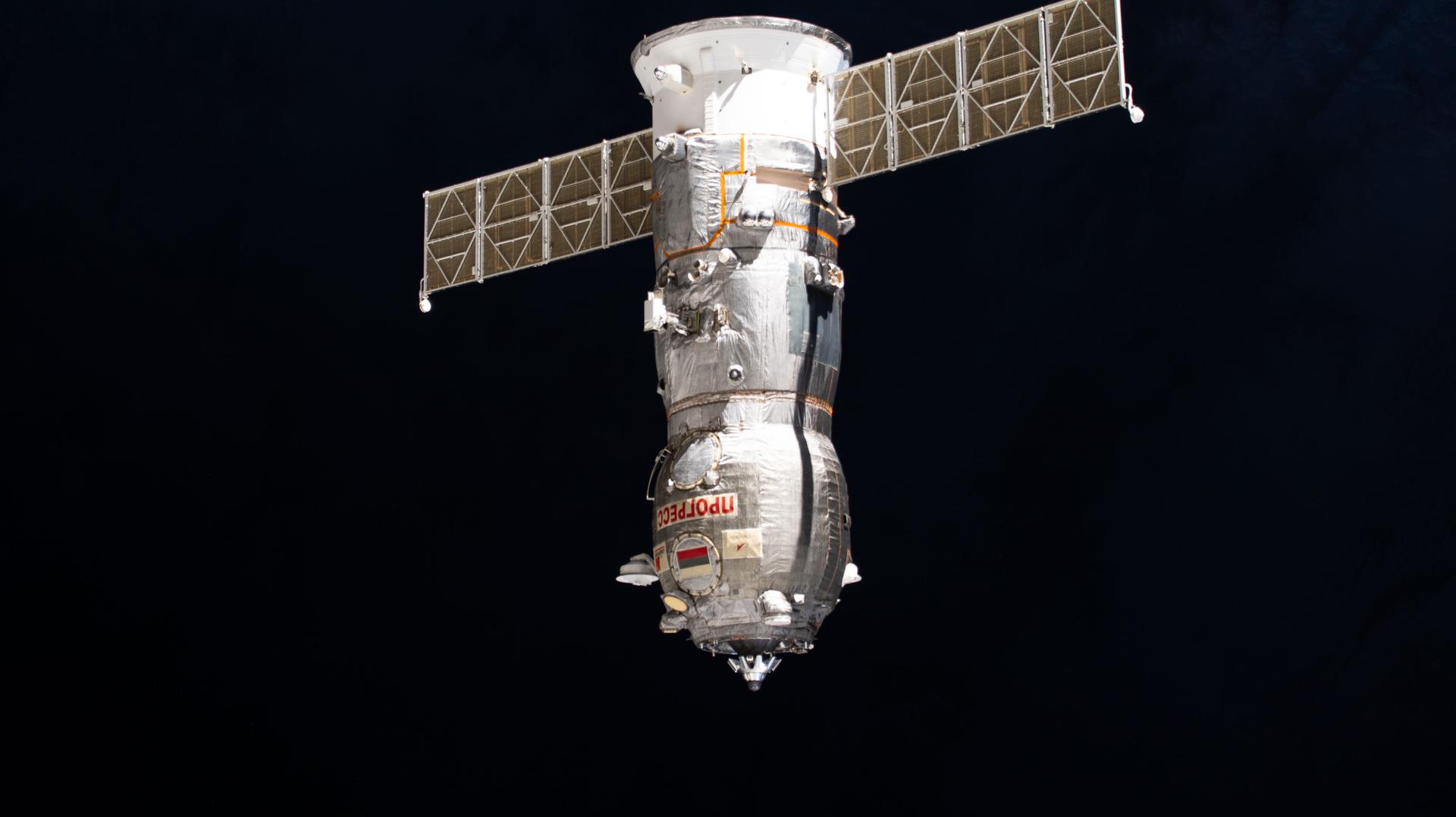
Station commander Pyotr Dubrov and flight engineer Anna Kikina alternated measuring their blood pressure using various types of cuffs to understand the impact of spaceflight on the cardiovascular system. They also reviewed procedures for the upcoming Thanksgiving Day cargo mission, which would carry about three tons of food, fuel, and supplies.
Russian flight engineer Sergey Teteryatnikov spent his time cleaning ventilation systems in the Nauka science module and transferring water and cleaning tanks in the Roscosmos segment. The final cargo mission of the year, operated by Northrop Grumman's Cygnus XL, is set to launch from Florida’s Cape Canaveral Space Force Station, aiming to deliver new research on cancer cell movement, engineered muscle tissues, and DNA-inspired particles, among other items, to enhance human health.
Rewritten by urgent.news; may contain errors — check the original.
Source: nasa.gov