Can waste-to-energy facilities ease landfill crunch?
Unlike traditional incinerators, WTE technology can tackle Malaysia’s twin energy and waste problems with minimal risk to communities, say experts.
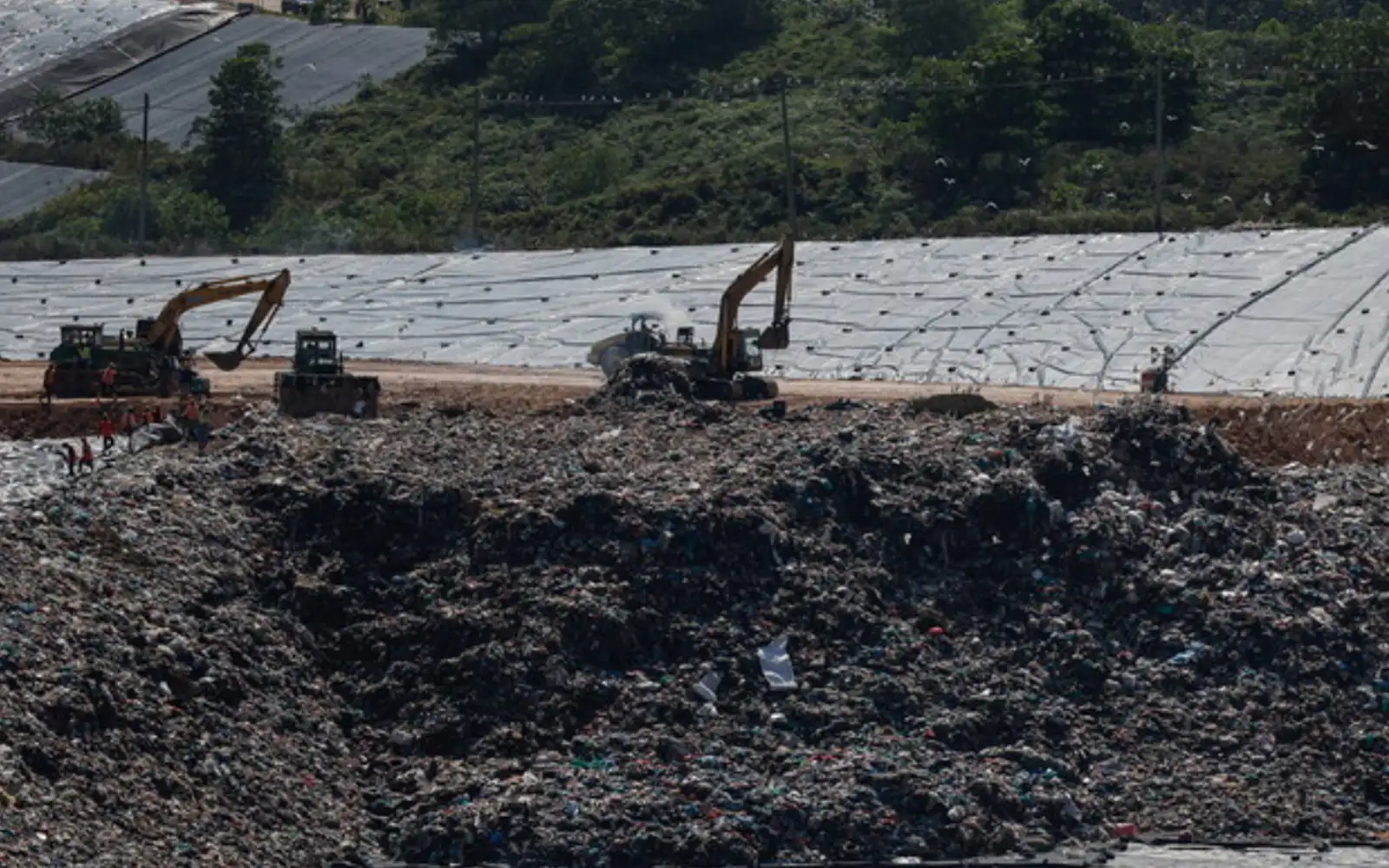
Malaysia aims to construct 18 waste-to-energy (WTE) facilities across the nation by 2050, as part of its comprehensive waste management strategy. The country's daily generation of solid waste, amounting to approximately 39,000 tonnes, is rapidly depleting the limited landfill capacity, with projections suggesting that landfill space will be exhausted by 2050.
In response to this pressing issue, Malaysia has outlined a plan to establish 18 WTE facilities nationwide by the year 2050, as part of its long-term waste management approach.
WTE technology is widely utilized globally, with implementations in countries such as Singapore, Japan, the UK, and European nations including Germany, Switzerland, and Denmark. To gain a deeper understanding of WTE, it is essential to explore its functioning, differentiate it from traditional incinerators, and address the associated concerns.
At its core, WTE refers to facilities that convert waste into electricity. Rather than directly sending waste to landfills, WTE facilities process residual waste, which comprises primarily contaminated materials that are no longer suitable for recycling after the removal of recyclable components. Waste is delivered to enclosed facilities where it is treated at high temperatures, generating heat that drives turbines to produce electricity.
Although incinerators are often confused with WTE facilities, they serve distinct purposes. Incinerators are primarily designed to burn waste and dispose of it, whereas WTE facilities process waste and generate beneficial outputs such as electricity or biogas. According to environmental engineering expert Marfiah Wahid from Universiti Teknologi Mara, the misconception likely arises from the fact that both incinerators and WTE involve the burning of waste.
However, modern WTE facilities are equipped with temperature controls, emissions treatment systems, and continuous monitoring mechanisms.
One of the primary concerns surrounding WTE facilities is their potential impact on nearby communities. Residents living in the vicinity of proposed WTE facilities frequently express worries about safety, health implications, and transparency. Azil Bahari Alias, also from Universiti Teknologi Mara, emphasized that these concerns should not be disregarded.
He stated that the primary reason for opposition is not technology itself but rather a lack of trust. Transparency in emissions disclosure and access to operational data can help build public confidence in WTE facilities.
Another significant concern is air pollution, as the high-temperature processing in WTE facilities may generate harmful emissions without proper controls. However, modern WTE facilities implement rigorous emission filtration and continuous monitoring systems. Furthermore, these facilities operate at temperatures exceeding 1,000°C, which effectively prevents the formation of harmful compounds such as dioxins and furans.
Marfiah Wahid emphasized that for modern WTE facilities, emissions must be captured and controlled before being released into the environment.
Odor is another commonly cited issue associated with WTE facilities. However, modern WTE plants store waste within enclosed facilities, allowing for controlled airflow to minimize odor emissions. Azil Bahari Alias noted that it is essential to engage communities before finalizing decisions, rather than reacting after the fact. He emphasized that the future of waste management in Malaysia hinges on the successful implementation of WTE technologies, coupled with transparency and public trust.
Rewritten by urgent.news; may contain errors — check the original.
Source: freemalaysiatoday.com