Can climate diplomacy build on COP31 collapse?
THE collapse of COP31 talks in Turkiye on Sunday without a political agreement left exhausted negotiators questioning the future of a process that for three decades has led the global fight against climate change.
The collapse of COP31 talks in Turkey has raised questions about the future of climate diplomacy, which has been a critical tool in the global fight against climate change for the past three decades. Small, vulnerable countries most exposed to the impacts of climate change rely on these annual United Nations conferences to draw global attention to their plight and seek financial assistance.
However, the failure of the Turkish talks, following weak outcomes at other COPs in recent years, highlights the need for reforms in the process. The consensus-based system of international climate talks has faced criticism, with Andres Martin Garrido Sanchez, director of environment in Peru's Foreign Affairs Ministry, stating that "the credibility of the process" is at stake.
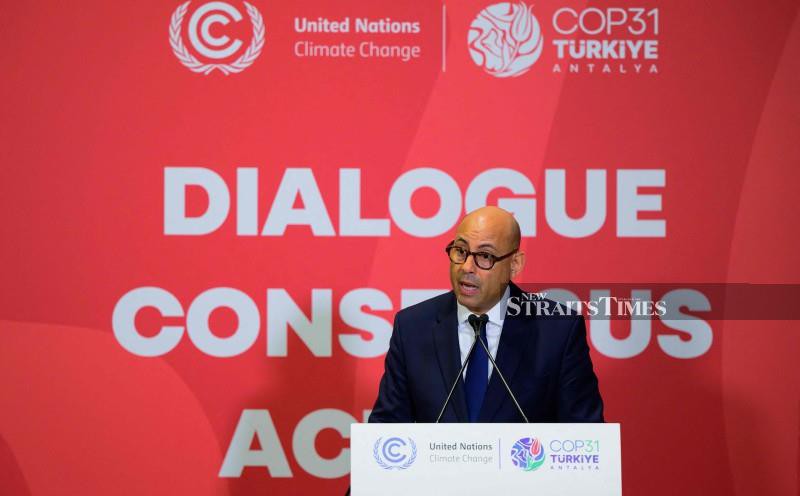
Despite this, the UN climate chief, Simon Stiell, believes that the system can still function with necessary reforms. The 1997 Kyoto Protocol and the 2015 Paris Agreement are notable successes, but the US's withdrawal from the process and China's low profile presence have been significant challenges. James Fletcher, who led the CARICOM group of Caribbean nations in Antalya, emphasized the lack of a major power backing a positive outcome as a major issue.
Nonetheless, the increasing economic viability of renewable energy may reduce the need for a multilateral deal to guide investment decisions.
Brief written by urgent.news; may contain errors — check the original.
Source: nst.com.my