Buy now, pay later is more dangerous than ever
An unsettling thing happens almost any time you buy something these days. You get to the checkout page and there’s an offer: Would you like to split this purchase up into four easy interest-free payments? Parting with a smaller amount of money to get something you want sooner is a compelling offer. So compelling that […]
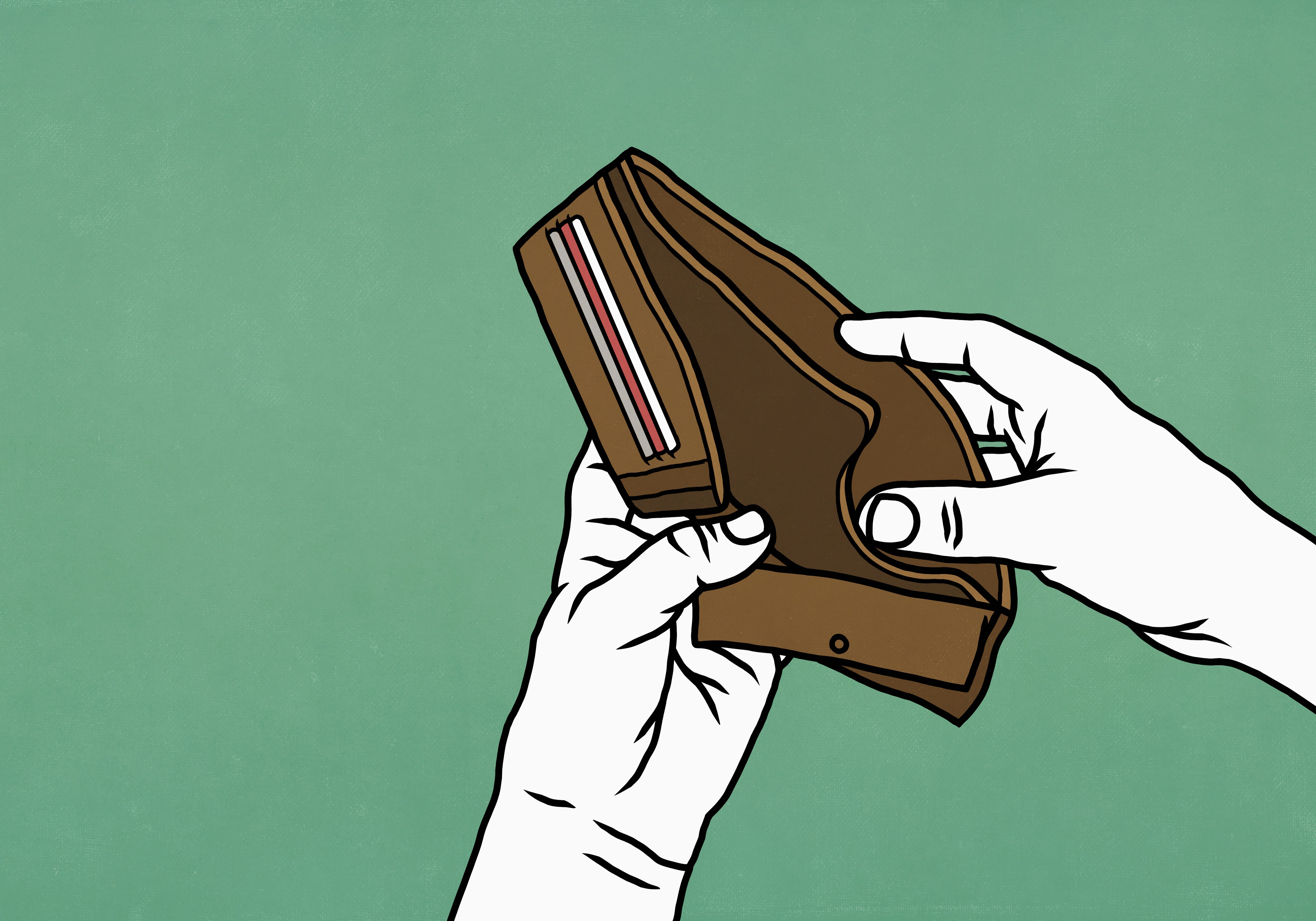
As consumers increasingly turn to "buy now, pay later" (BNPL) services for holiday shopping, concerns are growing about the potential dangers of this financial arrangement. A recent NerdWallet survey found that nearly 40 percent of U.S. shoppers plan to use BNPL for the holiday season, despite half of millennials and Gen Z preferring these payment options over credit cards.
With many young people struggling to find jobs, pay off student loans, and cope with rising food prices, the allure of BNPL may be more appealing than ever. Even DoorDash's partnership with Klarna in 2025 marked the beginning of a new era where consumers can take out loans to pay for takeout. As affordability remains a significant concern in American politics, the holiday shopping season feels different this year, with everything more expensive but also easier to finance through BNPL options offered by both fintech startups and major banks.
The Trump administration has further relaxed regulations, leaving consumers vulnerable to unexpected fees and mounting debt. Critics warn that the situation is reminiscent of the subprime mortgage crisis that led to the Great Recession. Unlike traditional loans, BNPL lenders are not required to assess consumers' ability to afford their loans, and borrowers can take out multiple loans simultaneously, a practice known as "loan stacking."
This lack of oversight has led to high late payment rates, with 47 percent of BNPL users making a late payment in the last year. Moreover, not all BNPL loans are interest-free, with rates reaching up to 36 percent. While the BNPL industry remains largely unregulated at a national level, companies like Klarna and Affirm have already sold billions in securitized debt.
While some experts caution against declaring a financial crisis just yet, it is clear that BNPL is becoming increasingly dangerous for consumers.
Rewritten by urgent.news; may contain errors — check the original.
Source: vox.com