Beyond 2030: Why the world needs stronger multilateralism
Drawing lessons from decades of tackling transboundary haze, Indonesia makes the case that rescuing the Sustainable Development Goals—and building a credible post-2030 agenda—requires moving beyond fragmented pledges to stronger, fairer multilateralism that turns global promises into tangible results.
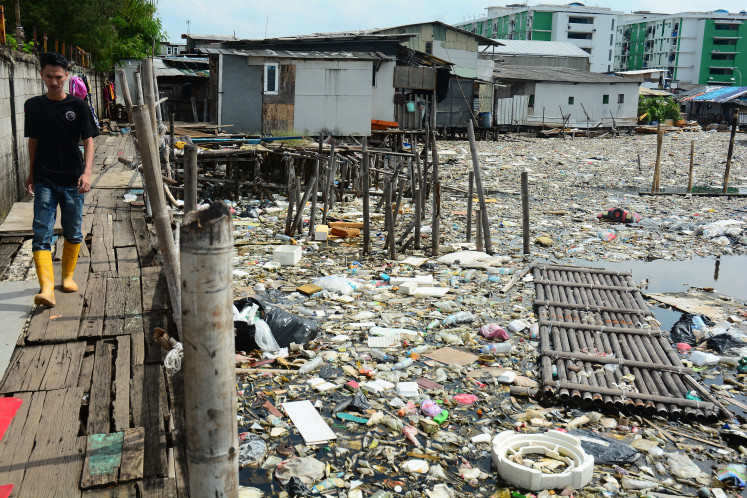
Indonesia's experience with transboundary haze over the past few decades highlights the urgent need for stronger, fairer multilateralism to achieve the Sustainable Development Goals (SDGs) and a credible post-2030 agenda. Forest and peatland fires have caused health hazards, disrupted economies, and strained relations with neighboring countries.
The complex issues at play—ranging from land management to law enforcement, business practices, and economic interests—make addressing these fires challenging. This situation mirrors many of the development challenges the world faces today, such as climate change, conflicts, and economic instability, which have a ripple effect across borders.
When the SDGs were adopted in 2015, there was optimism that nations could unite behind a shared development agenda. However, recent geopolitical tensions, ongoing conflicts, and economic uncertainty have strained international cooperation. According to the United Nations Economic and Social Commission for Asia and the Pacific (ESCAP), the region is on track to miss 88 percent of SDG targets by 2030.
The problem lies not in the goals themselves, but in the lack of systems, resources, and incentives to meet them. Renegotiating the 17 goals in today's divisive climate risks breaking the few remaining shared global commitments.
Instead, the priority should be to make existing commitments effective. Development cannot progress where peace is fragile, and peace is hard to maintain without prospects of a dignified life. Conflicts disrupt food and energy supplies, debt distress hampers essential services, and climate shocks affect livelihoods across borders.
The solution is not weaker multilateralism but a stronger United Nations that integrates peace, sustainable development, human rights, and humanitarian action. The UN's universal membership is crucial, especially when major powers have differing views. For developing nations, the UN remains vital for upholding shared rules and ensuring their voices are heard.
Rewritten by urgent.news; may contain errors — check the original.
Source: thejakartapost.com
Other reports of this story
- Beyond 2030: Why the world needs stronger multilateralism thejakartapost.com