Bangladesh raises garment workers’ minimum wage by 36% after protests
The increase follows weeks of protests that shut factories, blocked highways and disrupted production in a sector that employs more than 4 million workers.
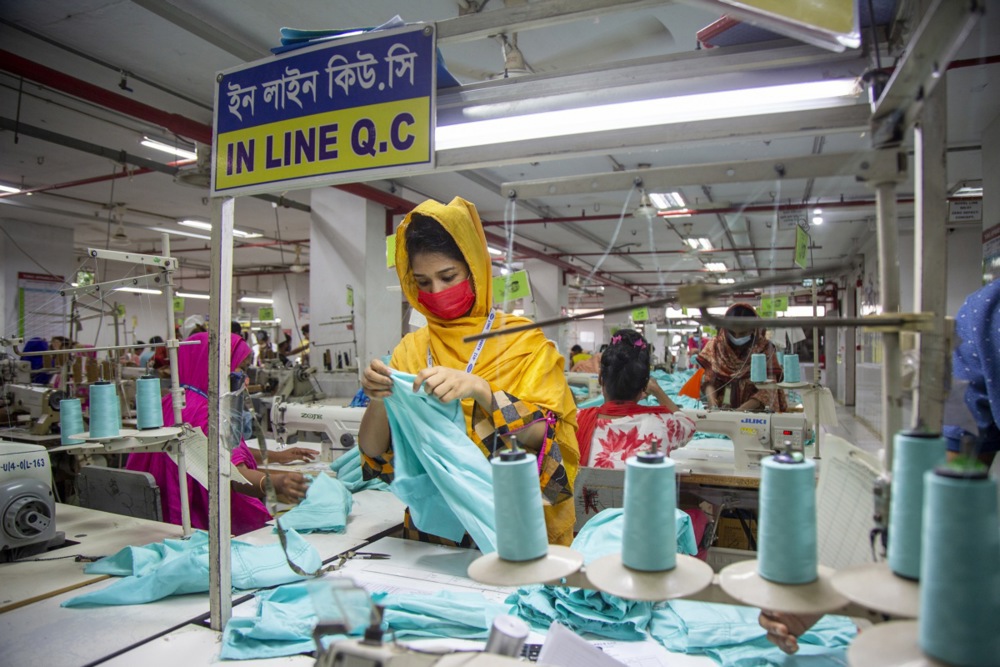
Bangladesh has increased the monthly minimum wage for garment workers by 36 percent, to US$139 per month, starting December 1. This is the smallest wage hike in over a decade, despite weeks of protests demanding higher pay. The protests disrupted production in the garment industry, which employs more than four million people and accounts for more than 80 percent of Bangladesh's export earnings.
The wage increase comes after a meeting between workers' and employers' representatives on November 25, where a government-appointed wage board approved the new wage structure. The current minimum wage was 12,500 taka, and workers had initially sought 32,000 taka, but eventually settled for 18,000 taka during negotiations. Factory owners had initially proposed 15,000 taka, and later agreed to 17,000 taka.
The new wage structure will range from 17,000 taka for Grade 4 workers to 21,500 taka for Grade 1 workers, with the Grade 4 rate being 4,500 taka higher than the 2023 minimum wage.
Rewritten by urgent.news; may contain errors — check the original.
Sources: freemalaysiatoday.com · hindustantimes.com · channelnewsasia.com · livemint.com
This story
This is one outlet's version. Read the fullest account.
- Bangladesh raises garment workers’ minimum wage by 36% to ₹12,865 after weeks of protests: What we know livemint.com
- Bangladesh raises garment workers' minimum wage 36% after protests channelnewsasia.com
- Bangladesh raises garment workers’ minimum wage by 36% after protests freemalaysiatoday.com
- Bangladesh raises garment workers' minimum wage by 36% to 17,000 taka after weeks of protests hindustantimes.com