Balen Shah’s India Visit: From Symbolic First Step To Concrete Partnership
When a new leader chooses his first bilateral destination, the choice itself is a statement. Prime Minister Balendra Shah’s decision to begin his foreign travels in New Delhi rather than Beijing was already noted in Kathmandu and New Delhi. What the two-day visit has now delivered is more than symbolism. The outcomes—substantial reconstruction support, eight new agreements, and a cluster of…
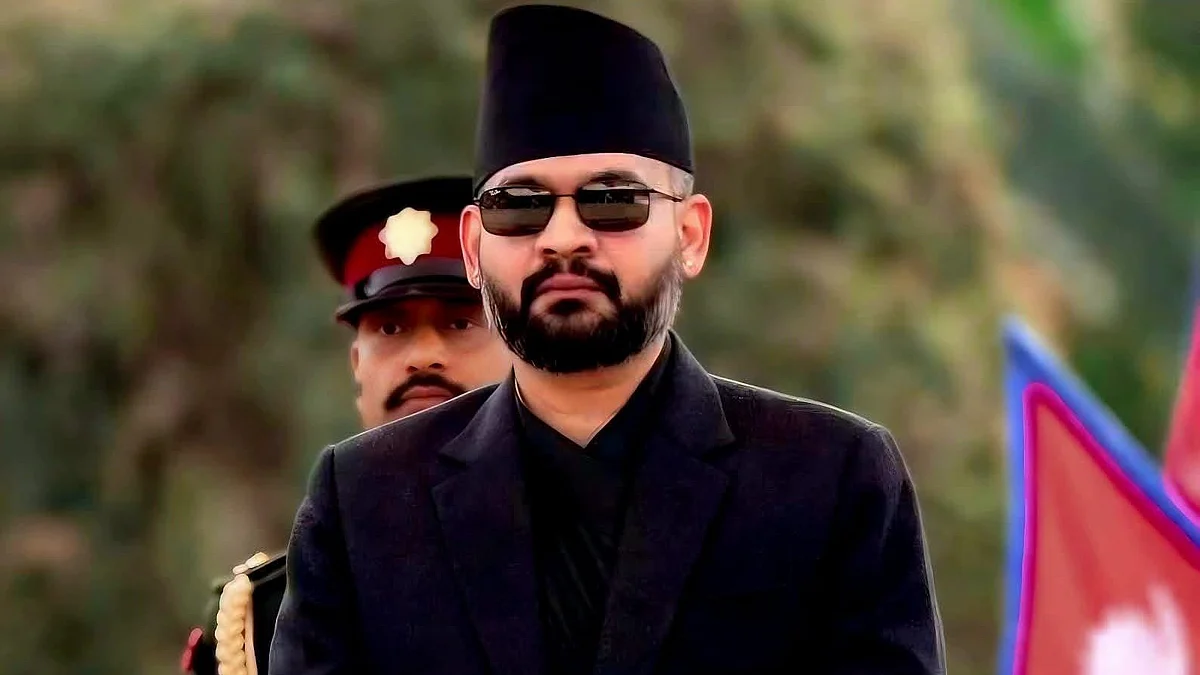
In a symbolic gesture of improved ties between Nepal and India, Prime Minister Balendra Shah embarked on his first foreign tour, beginning in New Delhi instead of Beijing. During his two-day visit, the Prime Minister secured substantial reconstruction assistance, eight fresh agreements, and numerous connectivity and energy projects. This move aimed to move beyond traditional goodwill and establish a concrete partnership.
The visit has the potential to revive Indo-Nepal relations, which had reached a low point during the previous communist regime led by K.P.S. OLI. The agreements signed include provisions for reconstruction, connectivity, energy, and institutional cooperation. The durability of these agreements will depend on their effective implementation.
Prime Minister Shah, hailing from the Terai region and marginalized by Kathmandu governments, may adopt a pragmatic approach to strengthen relations with India. This approach will not only reflect geographical and economic realities but also serve the interests of the Nepalese people. Shah's decision to visit India first, unlike his predecessor K.P. Sharma Oli's visit to Beijing, signals Nepal's recognition of India's indispensability due to geographical and economic considerations.
However, three sensitive issues remained off the table in the publicly disclosed discussions. The Agniveer scheme, which has controversially disrupted traditional Gurkha recruitment, was not discussed. The territorial disputes over Lipulekh, Kalapani, and Limpiyadhura were also not specifically addressed, although general references were made to outstanding boundary issues. China's growing influence in Nepal was also not explicitly addressed.
Implementation challenges lie ahead. Large reconstruction projects require transparency, timely utilization, and coordination between multiple agencies. Hydropower, railway, and border projects have historically faced delays due to land acquisition, environmental clearances, and financing issues. The open border demands continuous management of security, migration, and smuggling concerns.
Political transitions in either country can also slow follow-through, and Nepal's fluid domestic politics necessitate consistent bureaucratic ownership of these projects.
While sensitive border disputes and occasional public sensitivities were avoided in the formal agenda this time, they are not forgotten. Nepal's simultaneous engagement with China will keep Indian projects measured against Chinese offers in terms of speed and scale. Ultimately, delivery and not mere announcements will determine which partnership is perceived as more reliable.
Rewritten by urgent.news; may contain errors — check the original.
Sources: ndtv.com · freepressjournal.in