Australian inflation heats up in October, core hits two-year high
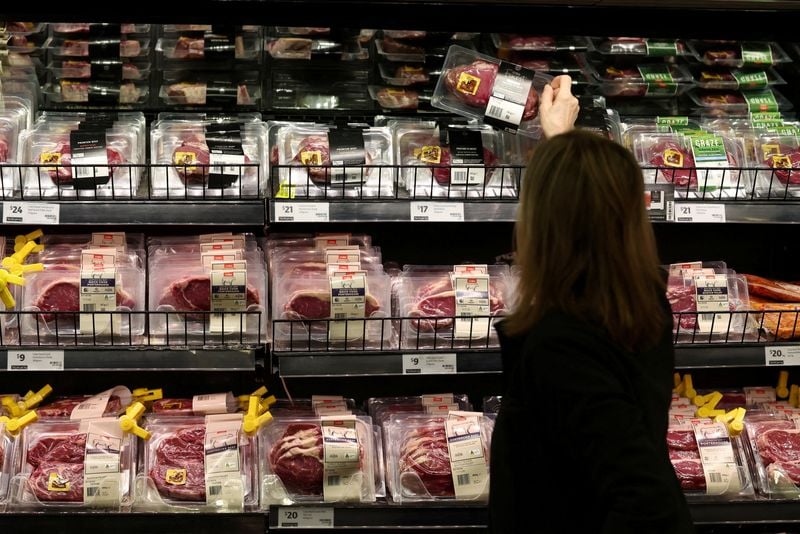
Australian consumer prices surged higher than anticipated in October, with overall inflation reaching a two-year peak, signaling growing price pressures that have cooled market optimism about further rate cuts. The Australian dollar gained 0.1% to $0.6650, while bond futures for three-year government bonds retreated slightly to 95.48.
Despite a weak labor market, markets remain optimistic about a potential rate cut, but are not pricing one until August, with a June cut now seen as 75% likely, down from near certainty earlier. The Australian Bureau of Statistics reported on Wednesday that the monthly consumer price index increased by 0.5% in October compared to September, exceeding expectations of 0.4%.
Rising fuel costs, up 6.3% due to higher global oil prices, contributed significantly, driving annual inflation to 4.9%, the highest in the short history of the monthly series and well above the Reserve Bank of Australia's target range of 2% to 3%. The trimmed mean core inflation measure, excluding fuel costs, climbed by 0.5% monthly and annualized to 3.8% from 3.6%, where it had remained since June.
Westpac Chief Economist Luci Ellis anticipates upside risks to her fourth-quarter inflation forecast, though she expects October to likely mark the peak. She maintains her view that the RBA has likely completed rate hikes but may consider further action later. The Reserve Bank has increased rates by 125 basis points this year, outpacing many other developed economies, but has also led to a record-high unemployment rate of 4.9% in September.
Russell Chesler, head of investments at VanEck, warns that the economy is on a knife's edge with inflating prices and rising unemployment, and that inflation could become entrenched in the Australian economy, potentially pushing it towards recession. New dwelling prices increased by 0.8% in October after a flat September, as builders in some regions lifted base prices and reduced discounts despite subdued demand.
Experts suggest that persistent inflation may necessitate more restrictive policies before demand cools sufficiently.
Rewritten by urgent.news; may contain errors — check the original.
Source: investing.com