An Ode to the Endeavour Space Shuttle
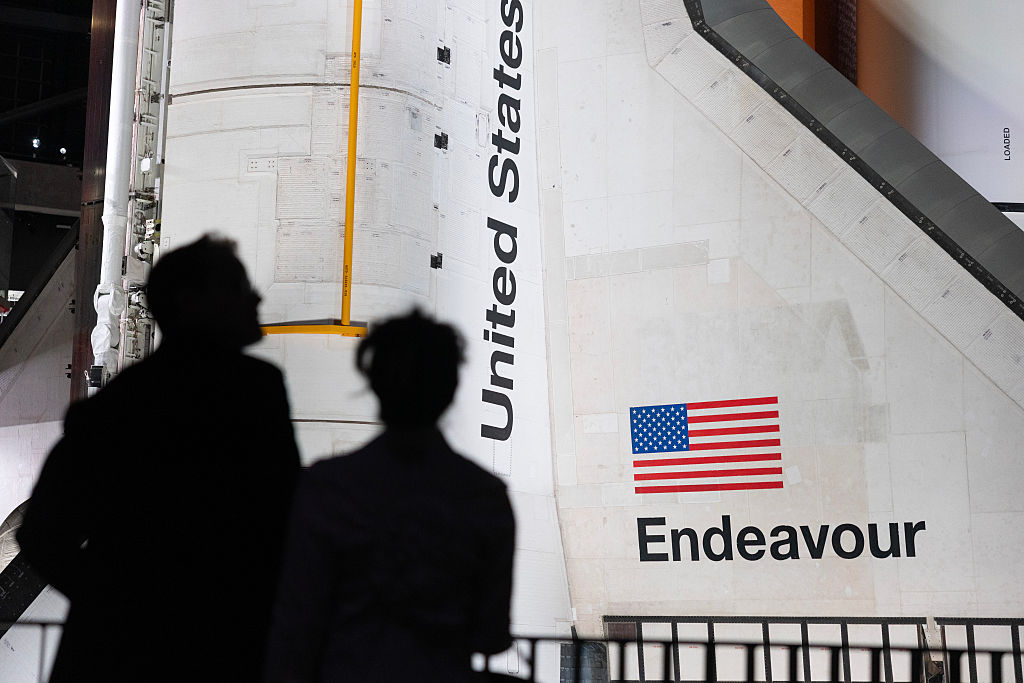
Under the tail of the Space Shuttle Endeavour at the California Science Center, I find myself reflecting on the profound feelings of wonder, awe, and immense pride that I experienced standing beneath that shuttle on the launch pad at the Kennedy Space Center in Florida. My professional journey has been deeply intertwined with the development and operation of this remarkable spacecraft.
Over the course of my NASA career, I had the privilege of supporting shuttle missions at Kennedy Space Center, testing vehicles, packing equipment, and even assisting with crew strapping for launches. As an astronaut, I had the unique opportunity to launch into space five times, twice aboard Columbia and three times aboard Atlantis.
Prior to my astronaut career, I dedicated a decade to engineering at Johnson Space Center, contributing to the creation of the very spacecraft that would become iconic.
The launch pad is a stark contrast to the current display at the museum, where the shuttle stands alone, illuminated by bright lights. This solitary position, with its condensation clouds rising from the cryogenic propellant tanks, encapsulates the immense potential energy of the machine. Standing before the Endeavour, I am reminded of the technical audacity and engineering prowess that brought this spacecraft to life.
Although the shuttle era seems like a footnote in NASA's history, overshadowed by the Artemis Program's return to the moon, the Space Shuttle remains a testament to human ingenuity and determination. The shuttle's ability to be recovered and reused marked a significant milestone, making spaceflight more accessible for scientific, commercial, and military endeavors.
The first shuttle, Columbia, launched in 1981 and completed 28 missions before a tragic accident in 2003. Its successor, Challenger, made its maiden flight in 1983 and was lost during its 10th flight in 1986. The third shuttle, Discovery, launched in 1984 and flew 39 missions before retiring in 2011. Atlantis followed, launched in 1985, and completed 33 missions before concluding the program in 2011.
Endeavour, the last of the five orbiters, was built as a replacement for Challenger, making its first flight in 1992 and flying 25 missions before retiring in 2011. After the shuttle program concluded, the remaining orbiters were donated to museums, each showcasing a unique configuration. Discovery now rests in a landing configuration at the Smithsonian's Udvar-Hazy Center, Atlantis in a flight configuration at the Kennedy Space Center Visitor's Complex, and Endeavour in launch configuration within a dedicated structure.
Despite its current static display, Endeavour continues to inspire awe, serving as a tangible reminder of the technical firsts and the human stories behind the missions. It stands as a living memorial to the thousands of individuals who contributed to its creation and operation, honoring their dedication, sacrifices, and the dreams that took humanity further into space than ever before.
Rewritten by urgent.news; may contain errors — check the original.
Source: time.com