Almanya'da beklentilerin altında büyüme
Almanya ekonomisi, yılın üçüncü çeyreğinde bir önceki çeyreğe kıyasla yüzde 0,1 büyüyerek öncü verilerin altında kaldı.
Germany's Federal Statistical Office (Destatis) unveiled final third-quarter Gross Domestic Product (GDP) data for 2026, marking a 0.1% growth in consumer price-based GSYH, adjusted for seasonal and calendar effects. The office revised its growth rate down to 0.1% in October, using data from the first quarter. Germany's economy slowed in the third quarter, with growth decelerating to 0.1% in the third quarter from 0.4% in the first quarter.
The office reported weaker performance in sales and retail trade, with September and September-October trade figures weaker than expected. The third-quarter total final consumption expenditure increased by 0.1% compared to the previous quarter, while household consumption rose by 0.1% and public consumption by 0.3%. The non-financial corporate sector saw a 3.5% drop in investment, while construction investment fell by 0.3%.
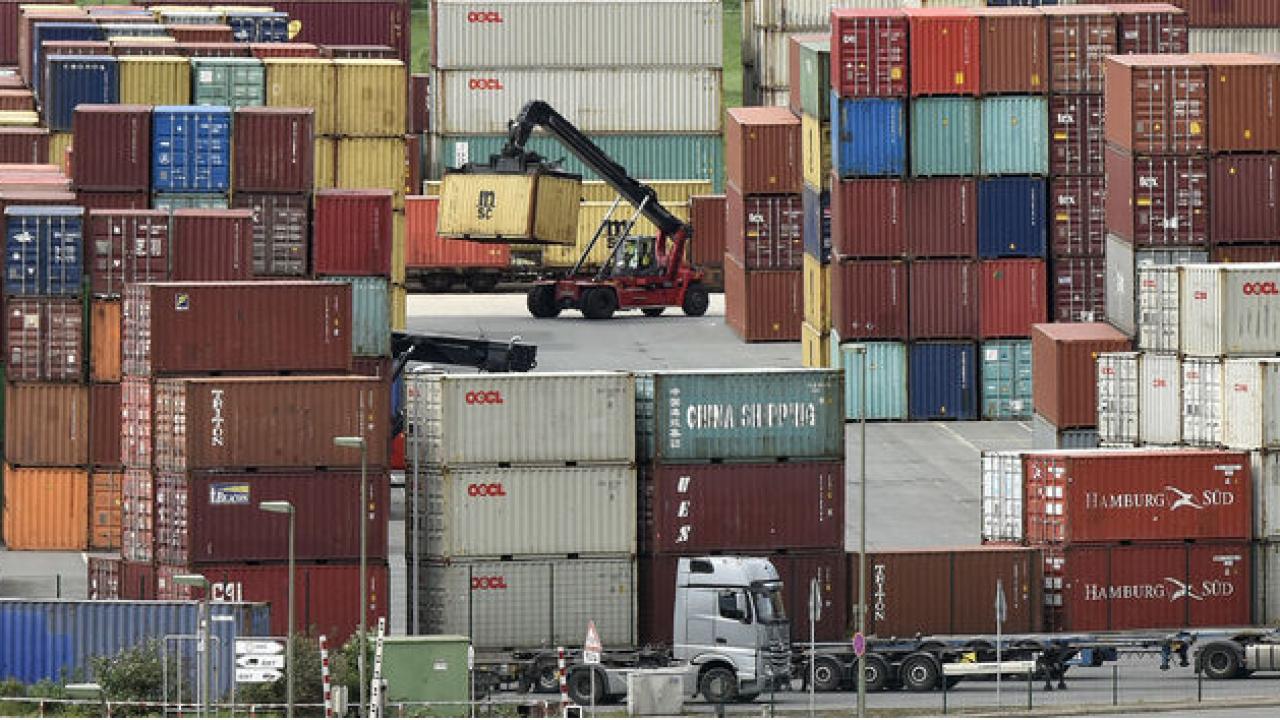
In foreign trade, exports declined by 1%, while import growth was 1.7% due to lower demand in goods. Total imports also decreased by 1.4% due to reductions in goods and services. The German economy showed stronger growth in the first half of the year amid geopolitical crises, but slowed in the third quarter. Destatis President Ruth Brand noted that the economy demonstrated resilient performance after the initial turbulence, and predicted a positive growth in the fourth quarter with government support for infrastructure and defense sectors.
The International Monetary Fund (IMF) and German economic institutions forecast a 1.3% growth for 2026 and 1.1% growth for the following year. ING Global Macro Research President and Germany's chief economist Carsten Brzeski highlighted that the data showed the economy nearly hit a standstill in the summer months, driven by high energy prices and a heatwave.
Brzeski warned that strong rebounds in the second quarter might turn into a slowdown in the third quarter, citing risks such as high natural gas prices, new US tariffs, France's turbulence, China's competitiveness in key sectors, and the German government's lack of decisive action. Despite the cautious outlook, the German economy is on track for its best growth performance since 2022, with annual GDP growth expected to reach 1.2% by year-end.
Rewritten by urgent.news; may contain errors — check the original.
Source: bloomberght.com